
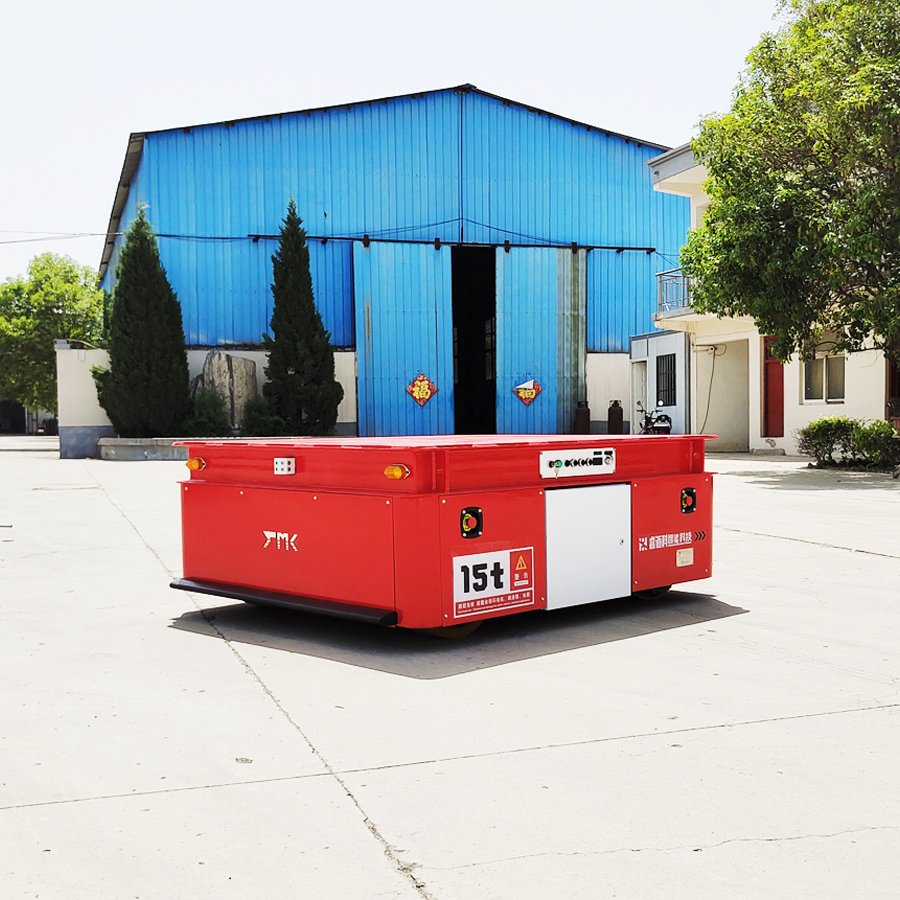
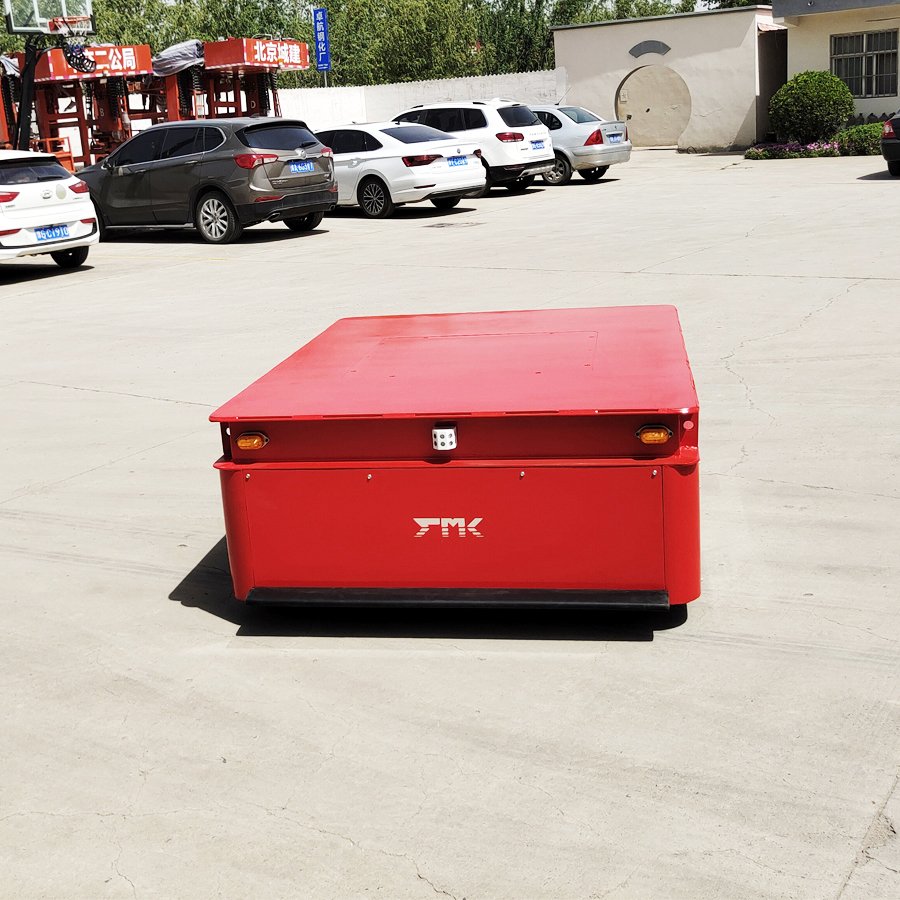
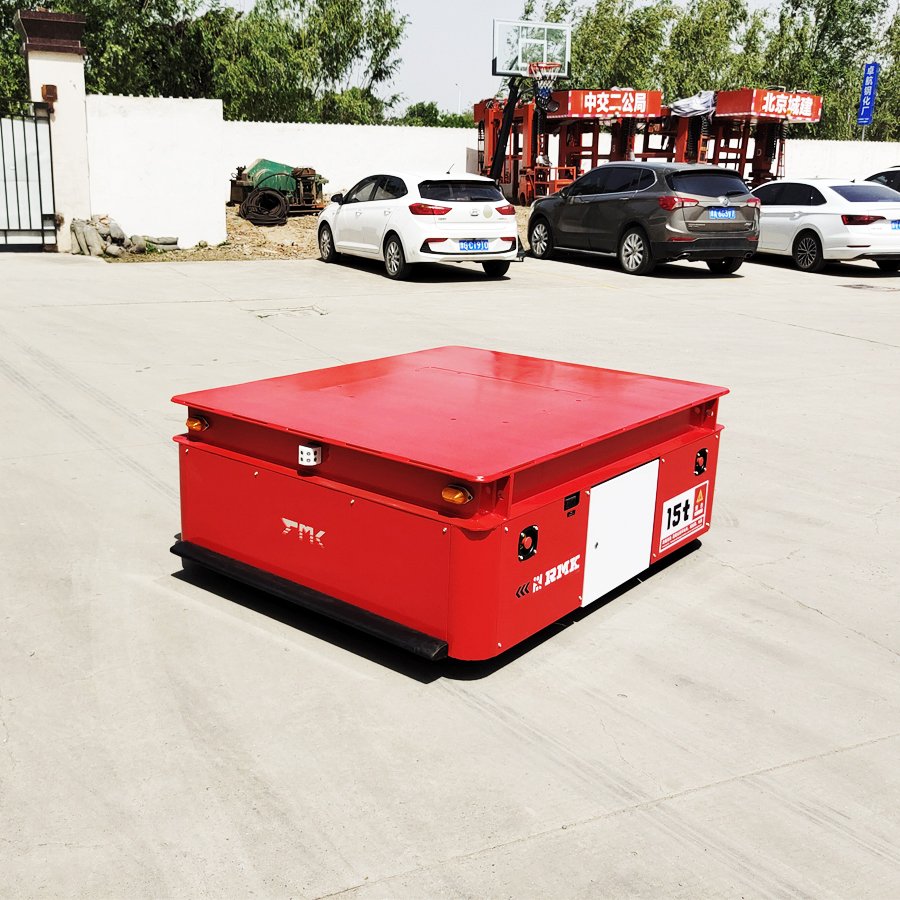
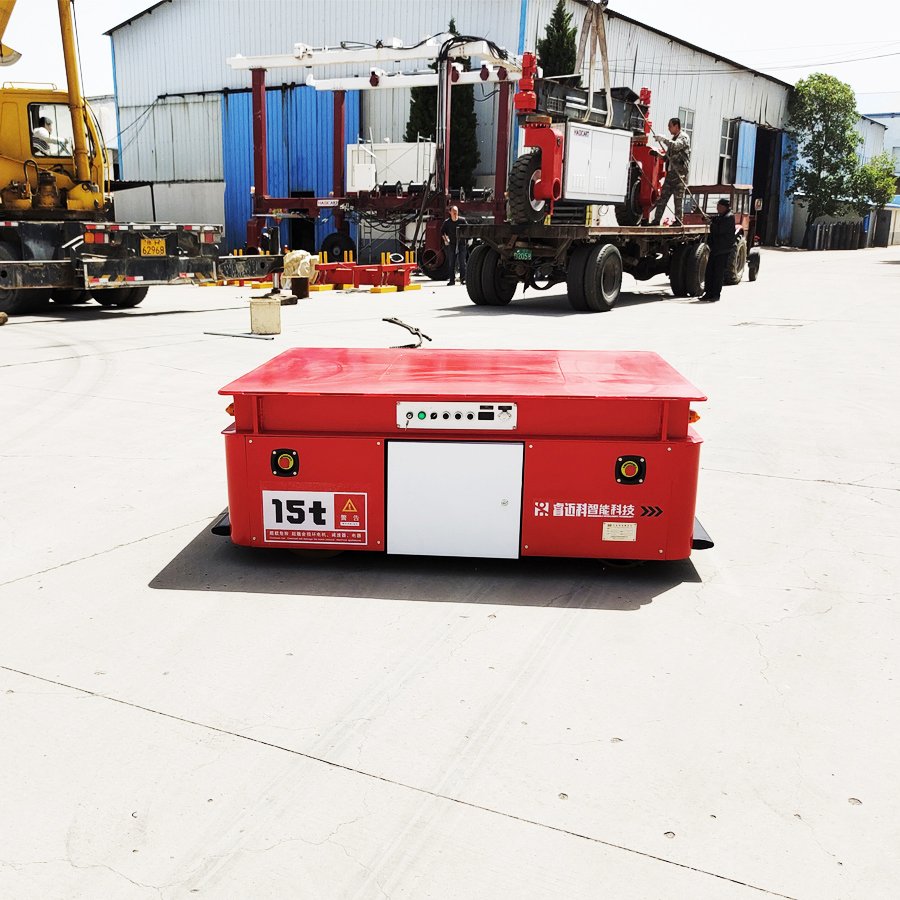
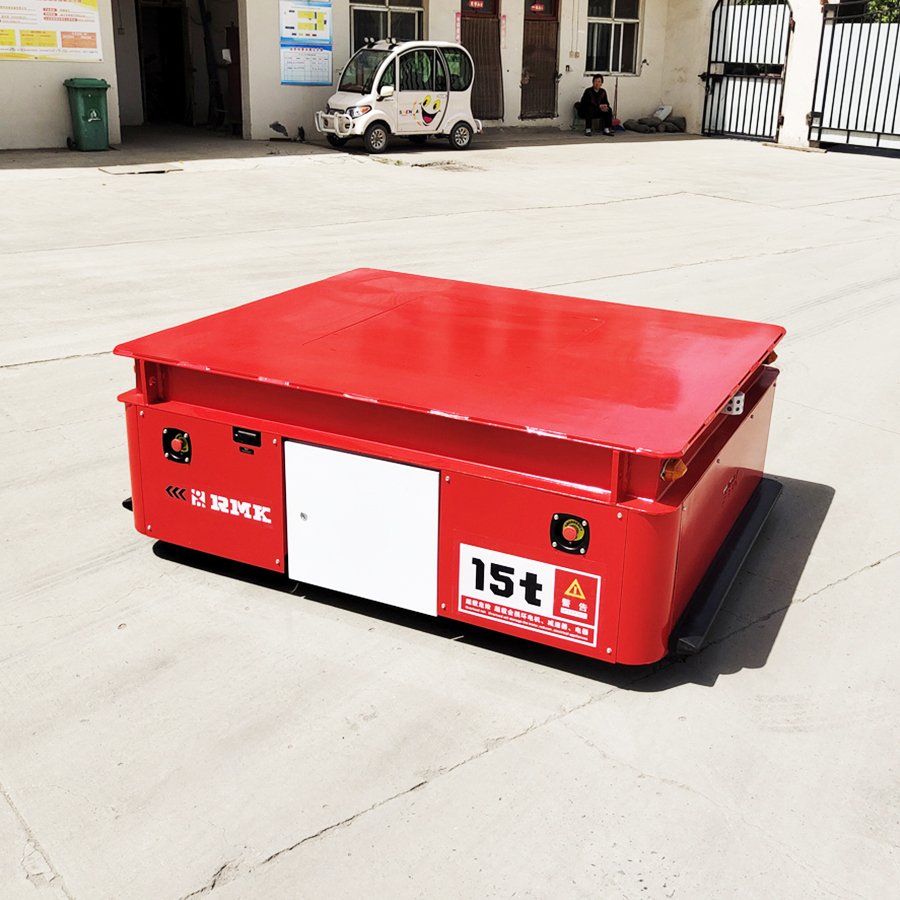
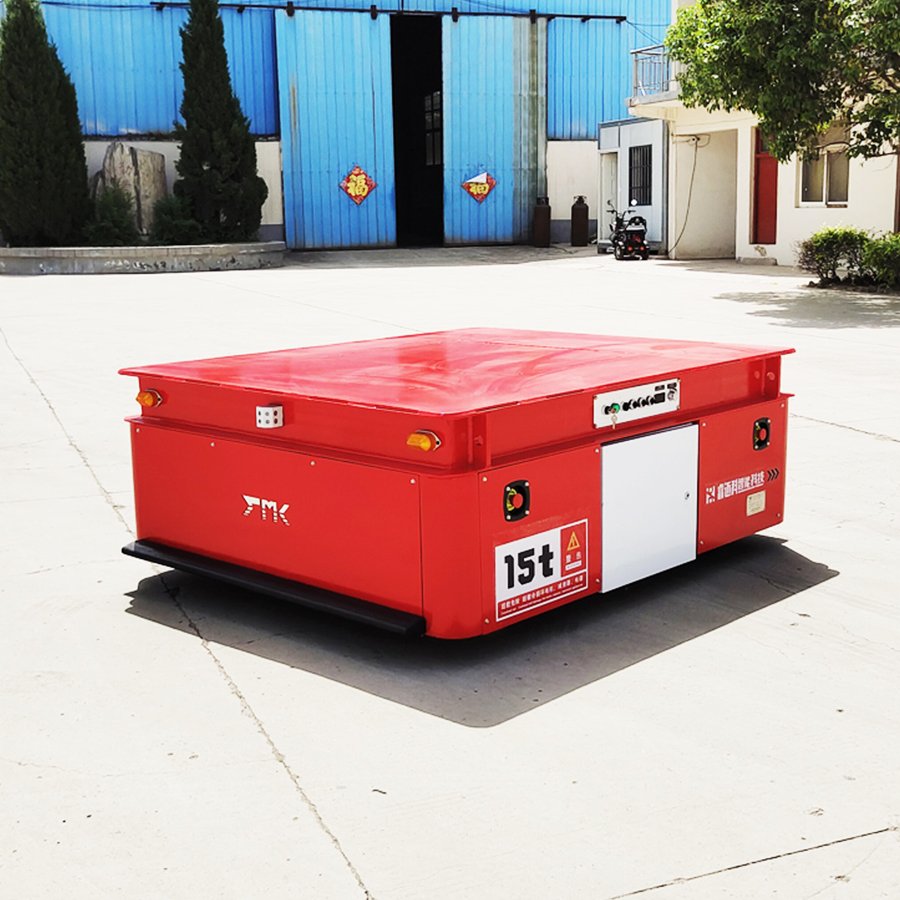
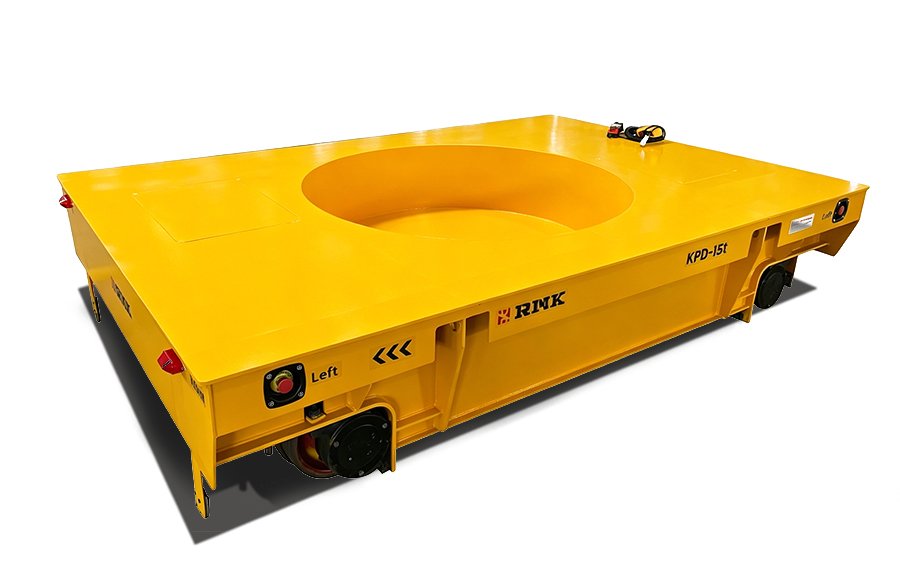
Mold transfer cart — 15-ton automotive manufacturing molds trackless transfer cart
The mold transfer cart is a handling solution specially designed for mold factories and heavy manufacturing workshops. Its core function is to transport heavy molds and large workpieces efficiently and safely, serving as key equipment to realize automated and lean material handling within workshops.
The equipment effectively ensures safe and stable transportation of heavy molds, protects their precision structures from damage, greatly reduces mold maintenance and wear costs, and significantly improves mold change efficiency and production continuity. It is an ideal handling solution for efficient and safe operation in modern manufacturing workshops.
| Load Capacity |
15 Tons(33070 lbs). |
| Power type |
Battery powered. |
| Application |
Automotive parts, various molds, equipment and tooling racks, etc. |
| Control Mode |
Wired Handle + Wireless Remote Control (Dual Mode) |
Mold transfer cart — 15-ton automotive manufacturing molds trackless transfer cart
The mold transfer cart is a handling solution specially designed for mold factories and heavy manufacturing workshops. Its core function is to transport heavy molds and large workpieces efficiently and safely, serving as key equipment to realize automated and lean material handling within workshops.
The equipment effectively ensures safe and stable transportation of heavy molds, protects their precision structures from damage, greatly reduces mold maintenance and wear costs, and significantly improves mold change efficiency and production continuity. It is an ideal handling solution for efficient and safe operation in modern manufacturing workshops.
| Load Capacity |
15 Tons(33070 lbs). |
| Power type |
Battery powered. |
| Application |
Automotive parts, various molds, equipment and tooling racks, etc. |
| Control Mode |
Wired Handle + Wireless Remote Control (Dual Mode) |
Pain Points in Industrial Production
Heavy mold transportation and mold changeover remain critical production challenges on the shop floors of injection molding, automotive stamping, die casting and home appliance mold manufacturing workshops. Most facilities still rely on forklift handling and overhead crane hoisting, which lead to persistent safety hazards and unnecessary cost losses over long-term operation.
01——
Severe Mold Wear & Tear
Significant crane swing often causes bumping, scratching and shifting of molds. Precision molds deform easily, bringing frequent high long-term maintenance expenses.
02——
Low Production Efficiency
Crane lifting has cumbersome procedures and tight restrictions; forklifts run fixed routes. Long mold-change downtime causes idle machines and major capacity waste.
03——
Poor Site Adaptability
Bulky forklifts cannot navigate narrow aisles and compact workstations, leaving many dead spaces in workshops unused and lowering overall space utilization rates.
04——
High Operating Costs
Forklifts incur considerable expenditure on fuel, annual inspections and certified operator wages alongside complicated routine equipment maintenance.
05——
Elevated Compliance Risks
Overhead hoisting is classified as high-risk work. Potential falling and collision accidents commonly occur, which may trigger official safety inspections and resultant fines.
Remarkable heavy-duty mold transfer carts serve as a full replacement for conventional forklift and overhead crane operations. Our core product lineup covers four major configurations: rail-guided, trackless, hydraulic-lift and intelligent AGV models. Customizable for varying load capacities, workshop layouts and automation levels, these carts help manufacturers cut operational costs, boost productivity and maintain compliant, safe production.
Full Product Range Classification & Precise Selection Guide
We classify our four core product models based on workshop layout, rated transfer load, working conditions, project budget and automation requirements. Each option comes with defined applicable scenarios, key advantages and limitations to enable customers to select equipment accurately and avoid unnecessary investment or mismatched equipment for on-site operations.
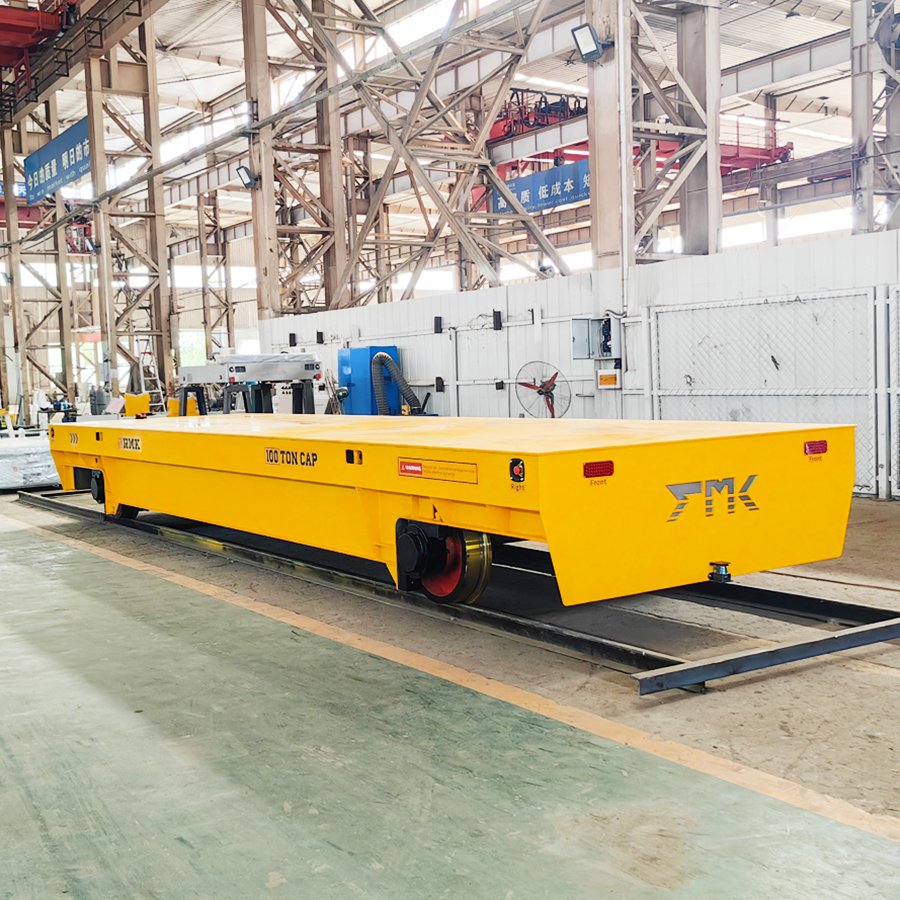
Rail-Guided Mold Transfer Cart
Application Scenarios: Ideal for facilities with fixed transit paths and workstations, level workshop floors and high-volume repetitive mold transportation along permanent routes, specially designed for heavy-load handling.
Key Advantages: Outstanding load-bearing capacity with stable operation from 100 to 300 tons. Low failure rate and superior load performance deliver favorable procurement cost efficiency, perfectly suited for frequent long-term haulage of heavy stamping dies.
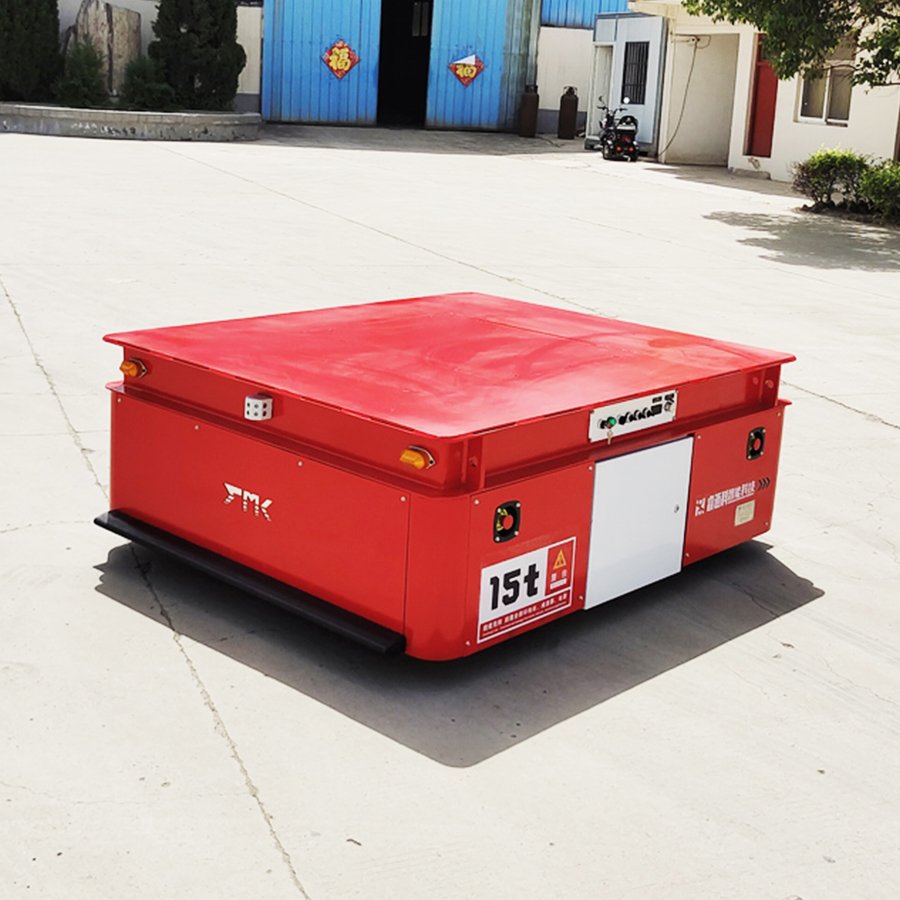
Trackless Rubber-Tired Mold Transfer Cart
Application Scenarios: Suited for most injection molding and medium-to-small stamping plants with uneven aisle widths and scattered workstations, as well as sites expecting future production line rearrangement or equipment relocation. It covers standard load capacities ranging from 1 ton to 100 tons.
Key Advantages: No rails or floor modification needed; usable on standard concrete floors. Compact chassis turns sharply, navigating 1.8m narrow aisles. It fixes access issues for forklifts and cranes, relocates freely to skip extra rebuild costs.
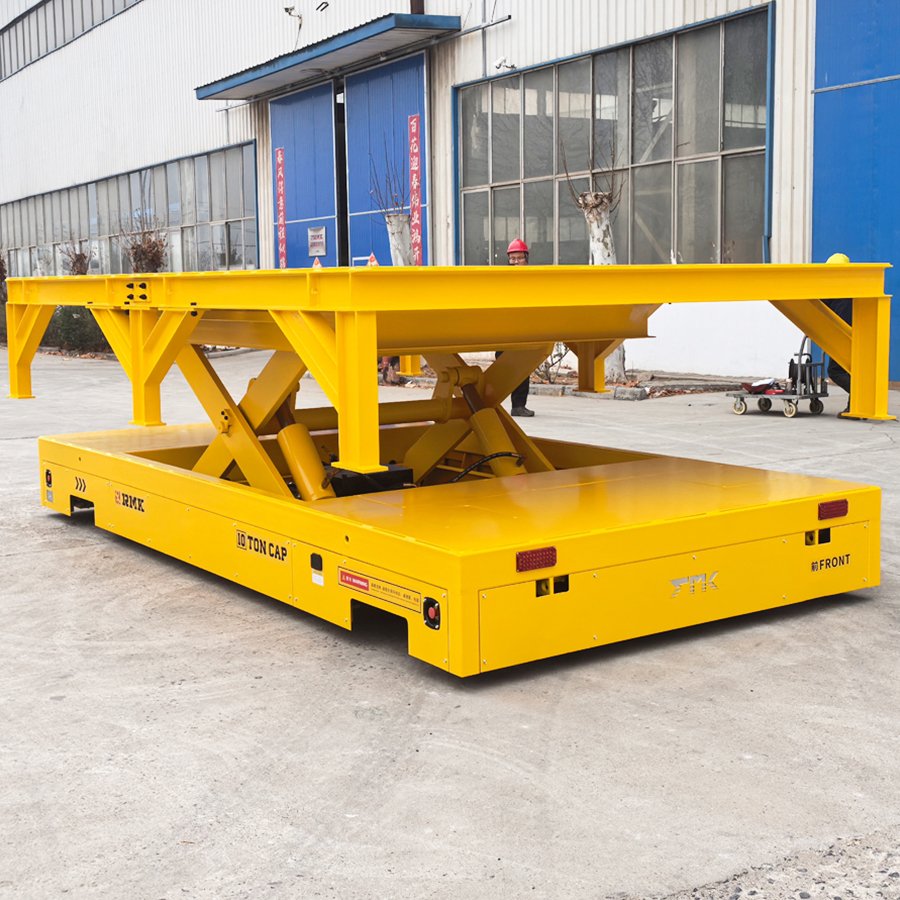
Hydraulic Lifting Mold Transfer Cart
Application Scenarios: Designed for mold transfer and changeover from 5 tons to 30 tons where injection molding and stamping machine tables vary in height, requiring height matching and precise die swapping.
Key Advantages: Equipped with an integrated hydraulic lifting system for accurate height adjustment. No extra padding blocks or auxiliary fixtures are needed; one-touch docking with diverse machine tool tables enables stable and rapid mold loading/unloading. This drastically cuts mold-change downtime and improves overall production line efficiency.
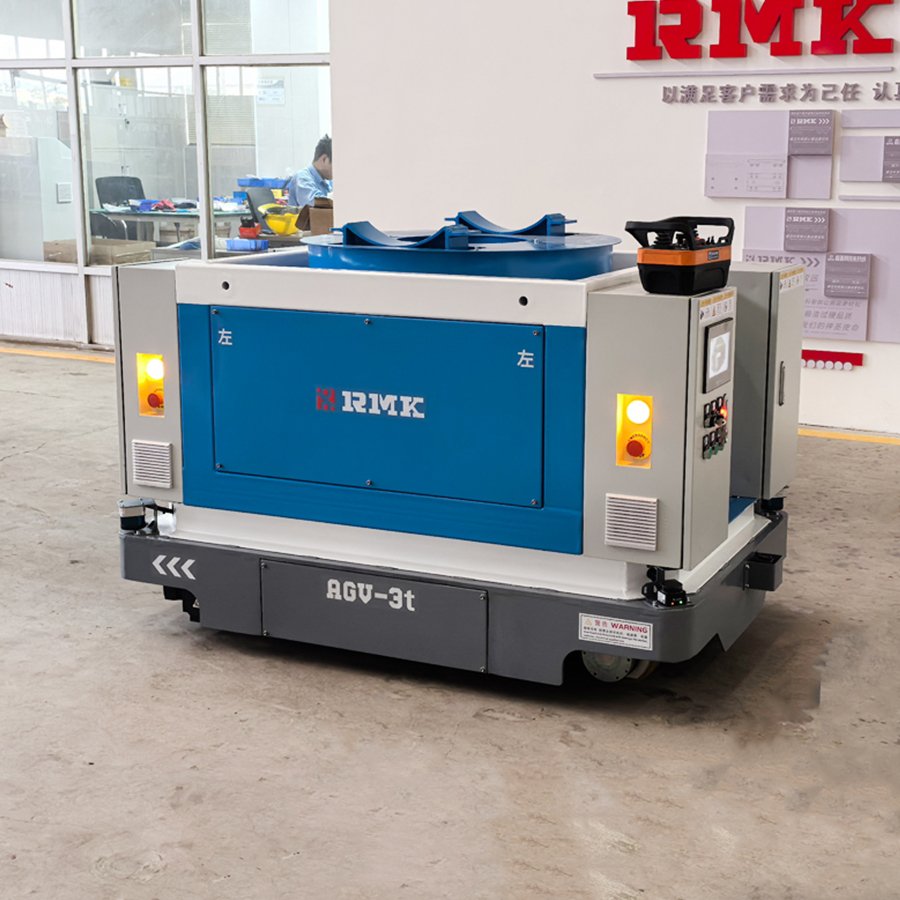
Omni-directional Intelligent AGV Mold Transfer Cart
Application Scenarios: Suitable for intelligent unmanned workshops, automated production lines and high-standard dust-free workshops. Designed for precision die transportation ranging from 3 tons to 25 tons and matches the production mode of modern smart factories.
Key Advantages: Capable of crab steering, lateral travel and in-place 360° omnidirectional rotation to navigate cramped, densely arranged workstations. Fitted with an intelligent navigation system, the cart achieves automatic start-stop, fixed-point parking and unmanned conveying. It docks precisely with automated production lines to cut manual labor and satisfy enterprises’ intelligent upgrading demands.
Get a Quote for Electric Mold Transfer Carts
If you require customized mold transfer solutions tailored to your workshop conditions, feel free to contact us. Based on your requirements including mold weight, dimensions, workshop layout, operation frequency and special working scenarios, we will provide one-on-one customized solutions and accurate quotations.
Core Advantages of Mold Transfer Cart
Conventional transfer carts only fulfill basic material conveyance and fail to meet specialized transportation requirements for precision dies, often resulting in die deformation, scratching and positional shifting. Engineered exclusively for mold-handling working conditions, our die transfer cart boasts multiple differentiated core strengths to reliably accommodate frequent, heavy-duty and high-precision die transport across diverse applications.
01
Substantial Production Cost Reduction
Our carts fully replace forklifts and cranes for die transportation, eliminating expenditures on fuel, annual inspections and high wages for certified operators. It also avoids fines arising from safety violations of high-altitude hoisting, cutting long-term operational expenses significantly.
02
Full-Scale Protection for Precision Dies
Smooth vibration-free travel together with optional shock-absorbing and anti-slip locking fittings prevents bumping, abrasion and shifting during transit. This drastically cuts costs from die repair or scrappage and safeguards customers’ high-value die assets.
03
Optimized Workshop Space Utilization
Compact body and superior maneuverability enable smooth passage through aisles as narrow as 1.8 meters. It overcomes access restrictions of bulky forklifts and large conventional equipment at confined work zones to maximize usage of limited factory floor space.
04
Workshop Renovation & Flexible Production
Trackless models require no civil ground modifications. When production lines or workstations are relocated later, the carts can be moved and reused directly without extra construction work, removing secondary renovation costs and supporting enterprises’ flexible production upgrades.
05
Lower After-Sales & Maintenance Expense
The equipment features a streamlined structure with core components made of universal standard industrial parts that are easy to source and replace. In-house maintenance staff can perform routine servicing without outsourcing specialized technicians, saving both maintenance time and overhead costs.
06
Complete Export Compliance Certifications
The full product range is fully certified with complete official CE and ISO certification documentation, complying with strict domestic safety codes as well as customs clearance and project acceptance requirements for Europe, Southeast Asia and many other global overseas markets.
Core Advantages of Mold Transfer Cart
Conventional transfer carts only fulfill basic material conveyance and fail to meet specialized transportation requirements for precision dies, often resulting in die deformation, scratching and positional shifting. Engineered exclusively for mold-handling working conditions, our die transfer cart boasts multiple differentiated core strengths to reliably accommodate frequent, heavy-duty and high-precision die transport across diverse applications.
01
Substantial Production Cost Reduction
Our carts fully replace forklifts and cranes for die transport, eliminating fuel, annual inspections and certified operator wage costs. It avoids fines from safety violations of high-altitude hoisting, cutting long-term operational expenses significantly.
02
Full-Scale Protection for Precision Dies
Smooth vibration-free travel together with optional shock-absorbing and anti-slip locking fittings prevents bumping, abrasion and shifting during transit. This drastically cuts costs from die repair or scrappage and safeguards customers’ high-value die assets.
03
Optimized Workshop Space Utilization
Compact body and superior maneuverability enable smooth passage through aisles as narrow as 1.8 meters. It overcomes access restrictions of bulky forklifts and large conventional equipment at confined work zones to maximize usage of limited factory floor space.
04
Workshop Renovation & Flexible Production
Trackless models require no civil ground modifications. When production lines or workstations are relocated later, the carts can be moved and reused directly without extra construction work, removing secondary renovation costs and supporting enterprises’ flexible production upgrades.
05
Lower After-Sales & Maintenance Expense
The equipment features streamlined structure with core components of universal standard industrial parts easy to source and replace. In-house staff can perform routine servicing without outsourcing specialized technicians, saving both maintenance time and overhead costs.
06
Complete Export Compliance Certifications
The full product range is fully certified with complete official CE and ISO certification documentation, complying with strict domestic safety codes as well as customs clearance and project acceptance requirements for Europe, Southeast Asia and many other global overseas markets.
Working Principle
This electric mold transfer cart is powered by an electric motor, which converts electrical energy into mechanical energy to drive the wheels. The transmission system uses reducers to reduce speed and increase torque for stable operation. Centered on a PLC and integrated with sensor technology, the control system precisely regulates the cart’s traveling direction and speed.
Three power supply options are available: battery, cable and low-voltage track power, to suit diverse application scenarios. In addition, the cart is fitted with multiple safety components including a braking system, limit switches, audible and visual alarms, and anti-collision bumpers to guarantee safe and reliable operation.
Product Structure
The equipment features a modular industrial structure. All core components have clear functions and great compatibility, ensuring stable performance under heavy loads, precise operation and long service life.
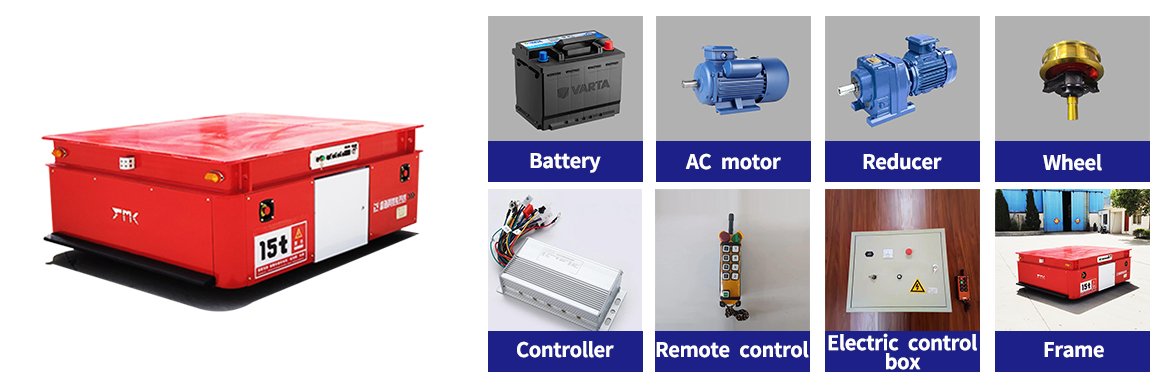
Battery
Optional lead-acid or lithium battery. Runtime ranges from 8 to 12 hours, delivering continuous power for heavy-duty mold transportation.
AC Motor
Available in both DC and AC types. It converts electric energy into mechanical energy to drive the unit for consistently smooth operation.
Reducer
Adopts durable gear or planetary transmission structure. It reduces speed and increases torque to keep heavy molds moving at a constant speed.
Wheel
Made of cast steel or rubber coating. Suitable for tracked & trackless operation. Wear-resistant and anti-slip with vibration-free travel.
Controller
The core control component. It receives commands to adjust rotating speed and travel direction for precise positioning.
Remote Controller
Supports 50-meter wireless control. One-touch start, stop and speed adjustment enable easy remote operation.
Electric control box
Integrates controllers & protective parts. It provides overload and undervoltage protection to secure circuit operation.
Frame
High-strength box-type structure with load factor of 125%. It resists deformation under full load and stably carries all mold types.
Basic Specifications
| Loading range | 1-40 tons (customizable) |
| Platform size | 4000mm×2000mm (customizable) |
| Control method | Wired handle + wireless remote control (dual mode) |
| Walking speed | 5–20 m/min (variable frequency speed control) |
| Steering method | Differential steering / hydraulic steering / wheel steering (optional) |
Application Fields
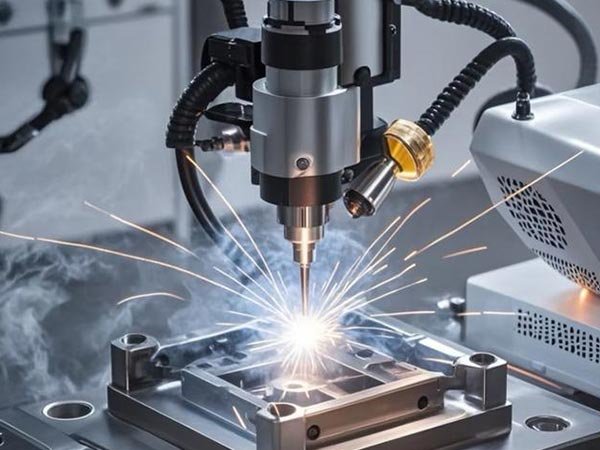
3C Electronics
Transports molds for precision injection molding, metal stamping and component forming between processing and assembly areas.
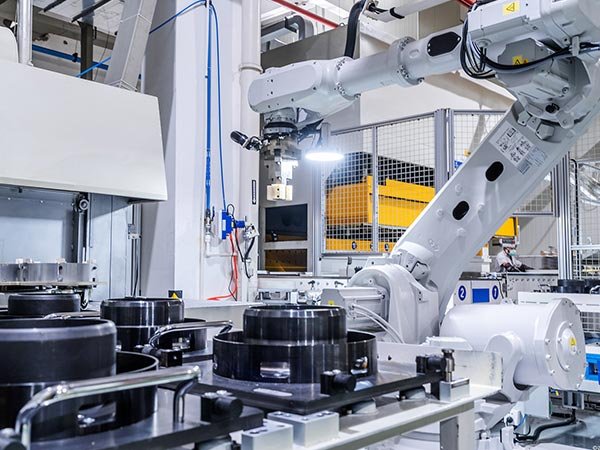
Mold Processing Industry
Supports full-process mold handling for production & storage, fully compatible with various assorted mold bases.
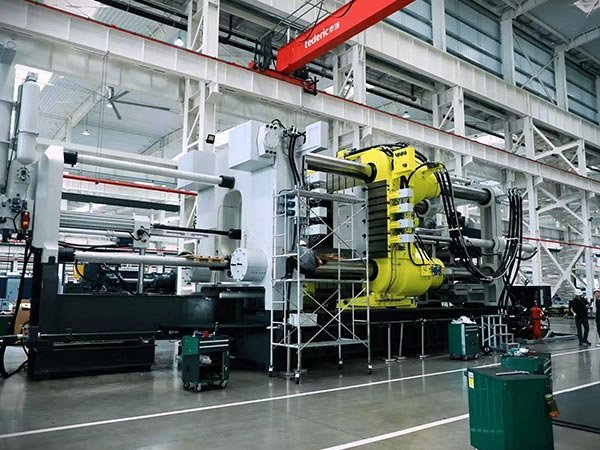
Die Casting & Forging
Suitable for high-temp mold transport for hot alloy casting, forging & heading. Custom high-temp protection plates optional.
Machinery & Equipment
Enables cross-plant handling of tooling, large component forming molds and custom non-standard molds for heavy machinery.
Buying Guide for Electric Mold Transfer Carts
We recommend evaluating the following six key factors to pick the right model for your working conditions, match your actual needs and avoid improper selection.
Load Capacity
Select the cart based on the maximum weight of your molds. Reserve a load margin of approximately 1.25 times to ensure stable performance during long-term heavy-duty operation.
Platform Size
Customize the platform according to the length and width of your regular molds and mold bases. Equip it with limiting structures to keep molds securely positioned.
Travel Speed
Choose low-speed precision models for short-distance transfer and frequent mold changes. Opt for high-speed variable frequency models for long-distance cross-workshop transportation.
Power Supply Mode
Battery power is ideal for short-duration and flexible operations. Cable or low-voltage track power suits long-hour continuous work with reliable runtime.
Safety Features
Prioritize units fully equipped with emergency stop, audible & visual alarm, anti-collision devices, limit switches, as well as overload and undervoltage protection for operational safety.
Brand & Reliability
Partner with experienced manufacturers with solid production capacity and proven technology. This guarantees consistent product quality and timely after-sales services including installation, repair and maintenance.
FAQ
Related Products
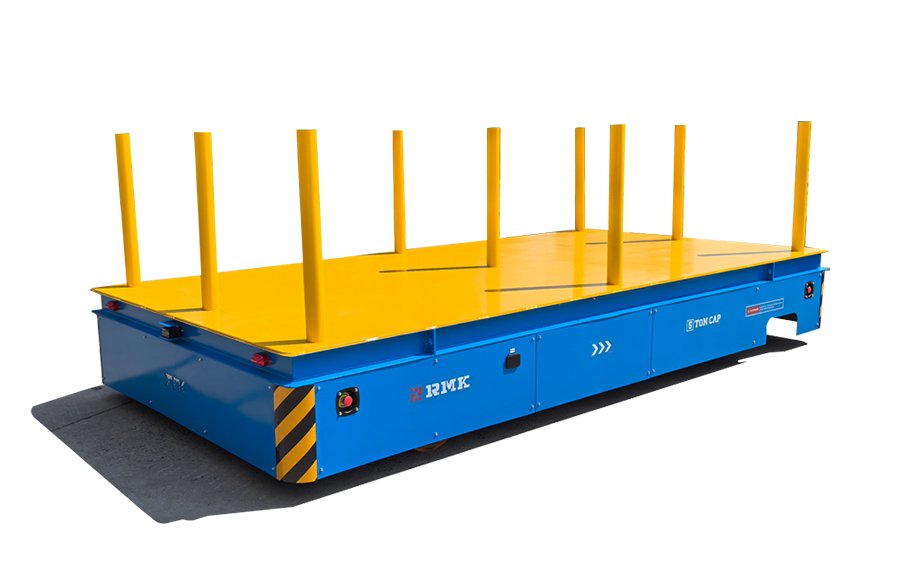
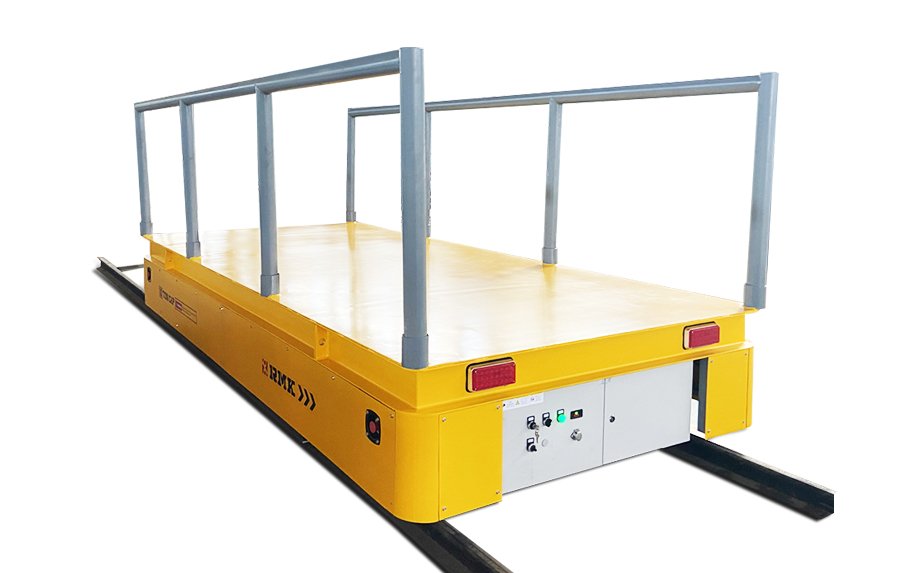
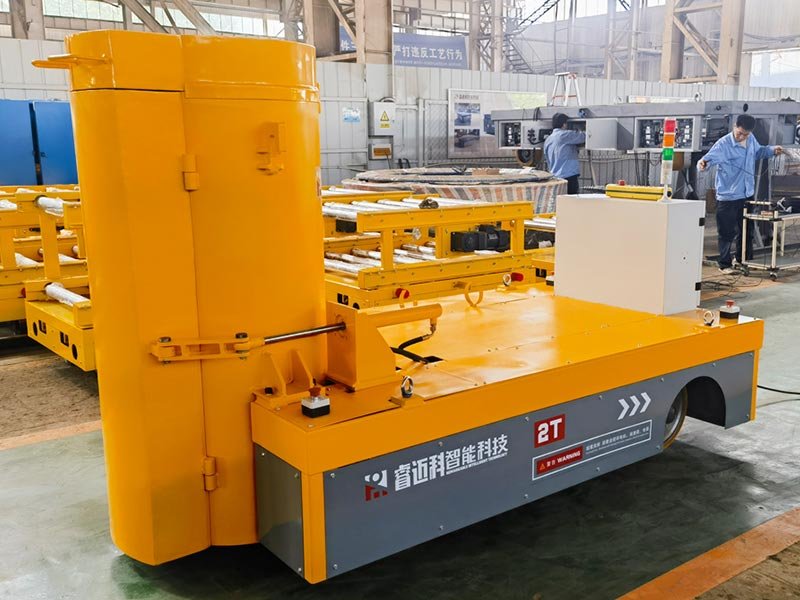
Steel pipe transfer trolley
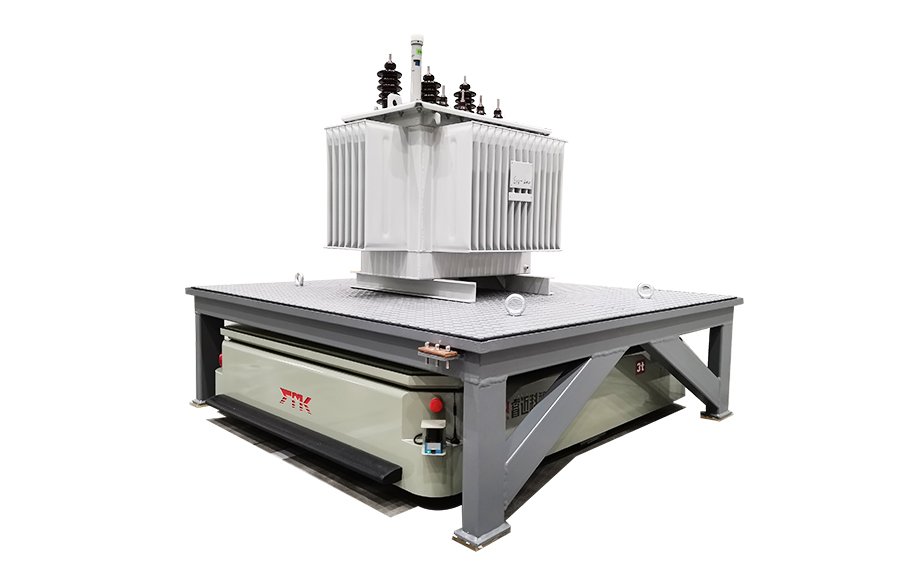
Steel pipe transfer trolley safely moves steel pipes in workshops and yards, ensuring efficient and stable handling for manufacturing and construction sites.Transfer cart for transformer Manufacturing
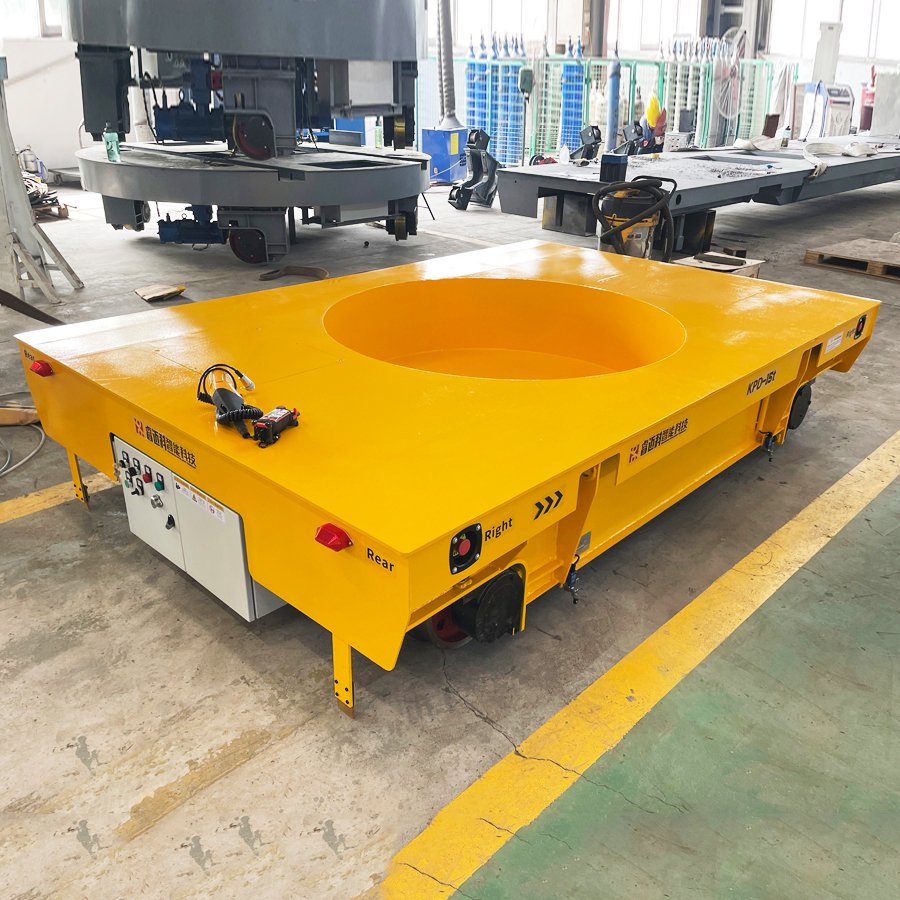
Transfer cart for transformer manufacturing safely transports heavy transformers and components across production floors to improve efficiency.
Related Products
Steel pipe transfer trolley
Steel pipe transfer trolley safely moves steel pipes in workshops and yards, ensuring efficient and stable handling for manufacturing and construction sites.Transfer cart for transformer Manufacturing
Transfer cart for transformer manufacturing safely transports heavy transformers and components across production floors to improve efficiency.
Hot blog
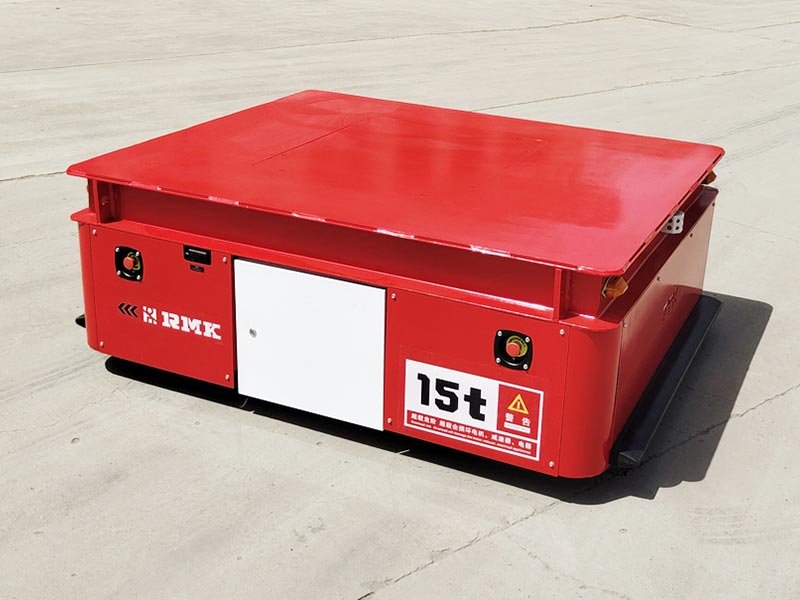
Applications and Solutions for Industrial Material Transfer Carts in Bulk Material Handling
In modern industrial production, efficient material handling plays an important role in maintaining production flow, improving operational efficiency,…How to Choose a Ladle Transfer Cart for Steel Plants?
A ladle transfer cart is a specialized heavy-duty material handling vehicle used in metallurgical, steelmaking, and foundry production…
Hot blog
Applications and Solutions for Industrial Material Transfer Carts in Bulk Material Handling
In modern industrial production, efficient material handling plays an important role in maintaining production flow, improving operational efficiency,…How to Choose a Ladle Transfer Cart for Steel Plants?
A ladle transfer cart is a specialized heavy-duty material handling vehicle used in metallurgical, steelmaking, and foundry production…