
Industrial Transfer Cart — Efficient Heavy Load Movement Solutions
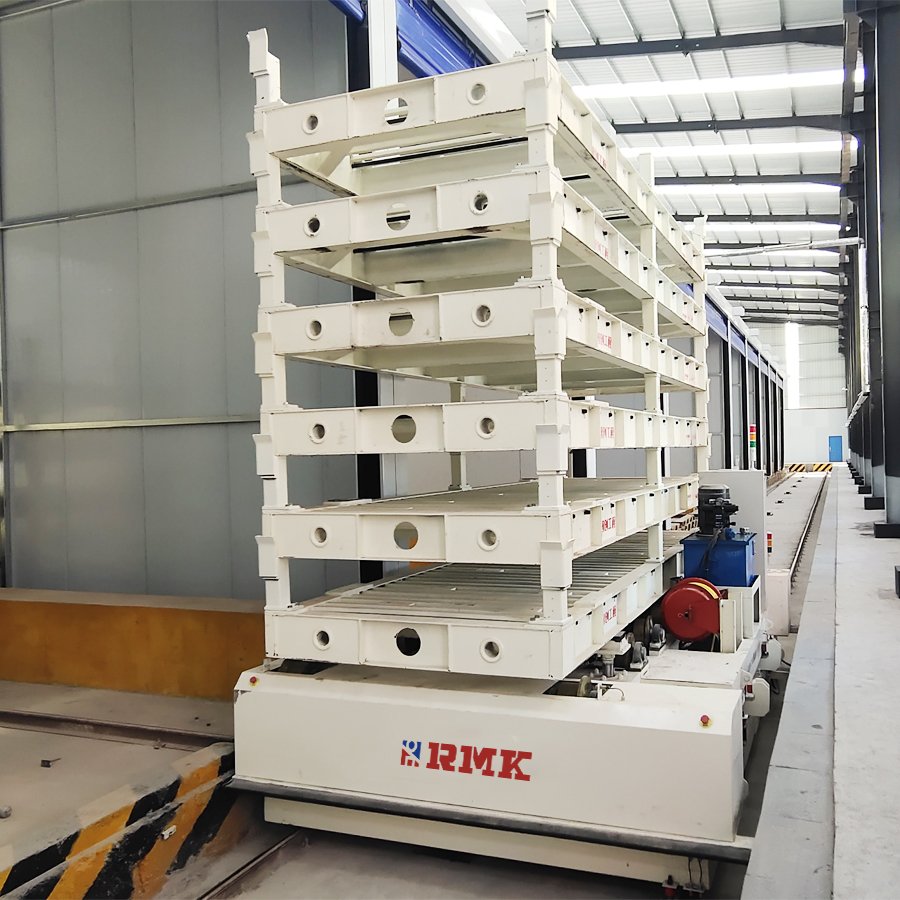
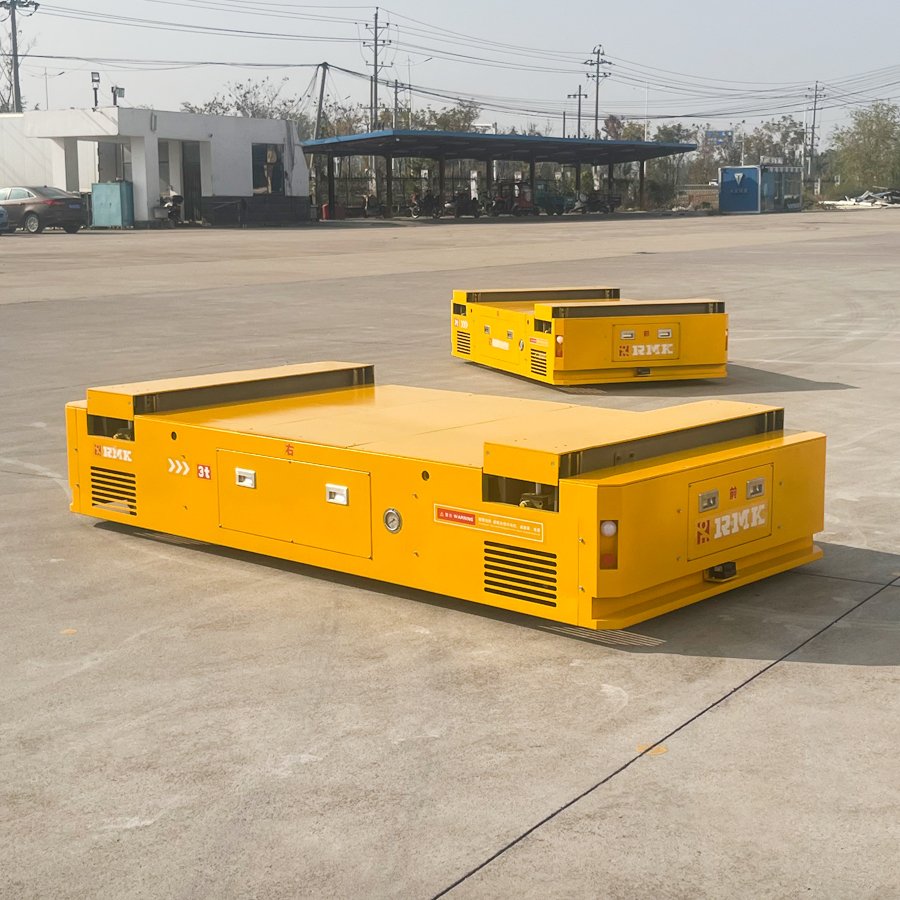
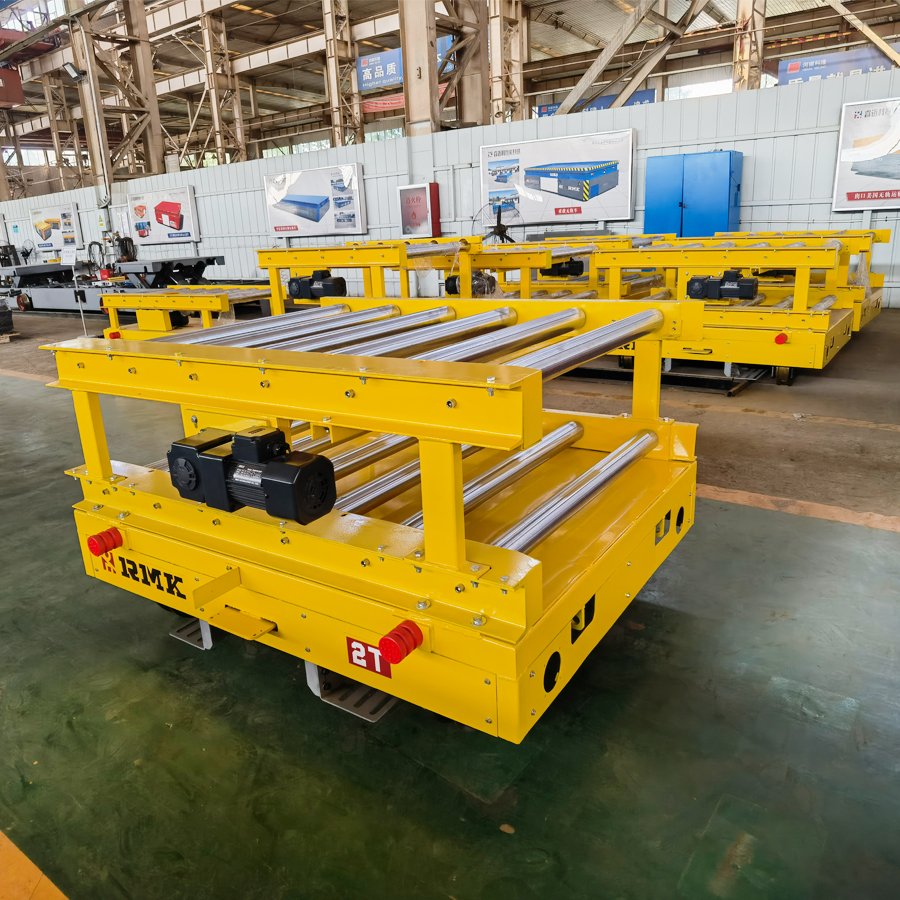
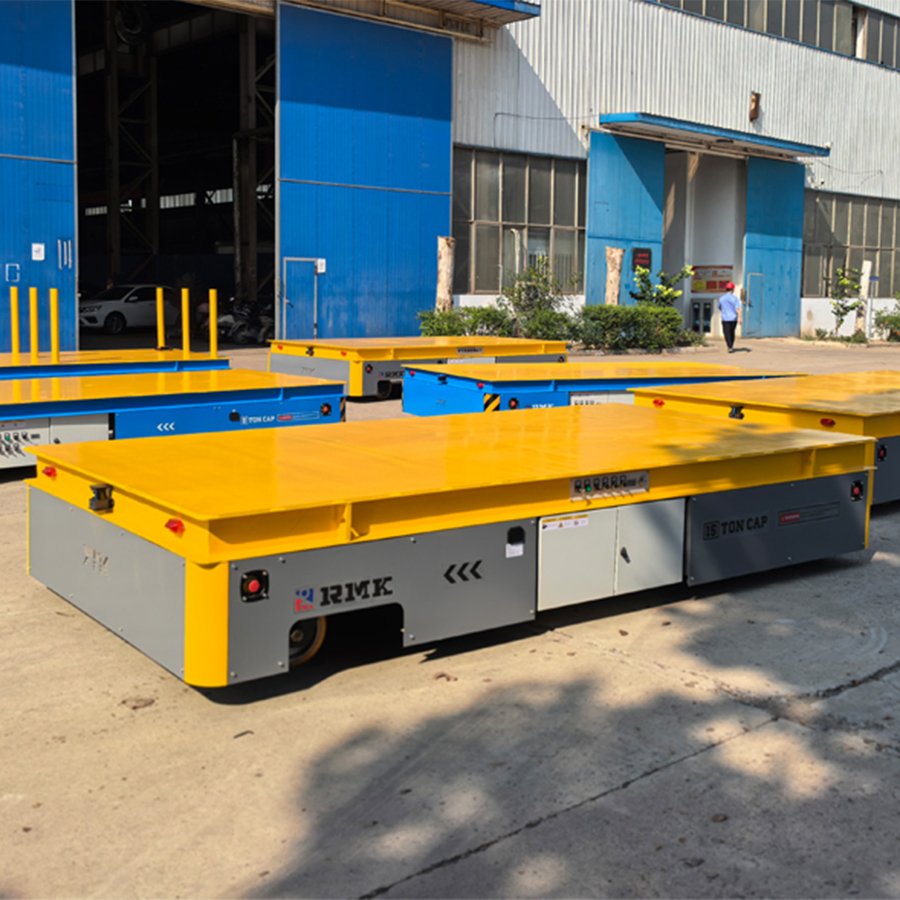
Remarkable designs and manufactures customized industrial transfer carts for seamless material handling across manufacturing, shipbuilding and power equipment sectors. Our solutions include rail-mounted, trackless, battery-powered and AGV automated models with load capacities from 1 to 500 tons. Fitted with advanced safety systems, soft-start/stop and precise navigation, they ensure stable, vibration-free transport for steel coils, molds, transformers and heavy components.
| Load Capacity |
From 1 to 500+ Tons. |
| Power type |
Battery powered, Cable reel, Busbar powered, Low voltage rail, Diesel powered, Towed, Automated guided |
| Table size (L×W×H) |
Table size is customizable according to your load dimensions. Standard sizes range from 1500×1000mm to 4000×2500mm, with height from 400mm to 600mm. |
| Control system |
Pendant control, Wireless remote control, PLC control system, Touch screen control panel, PC control |
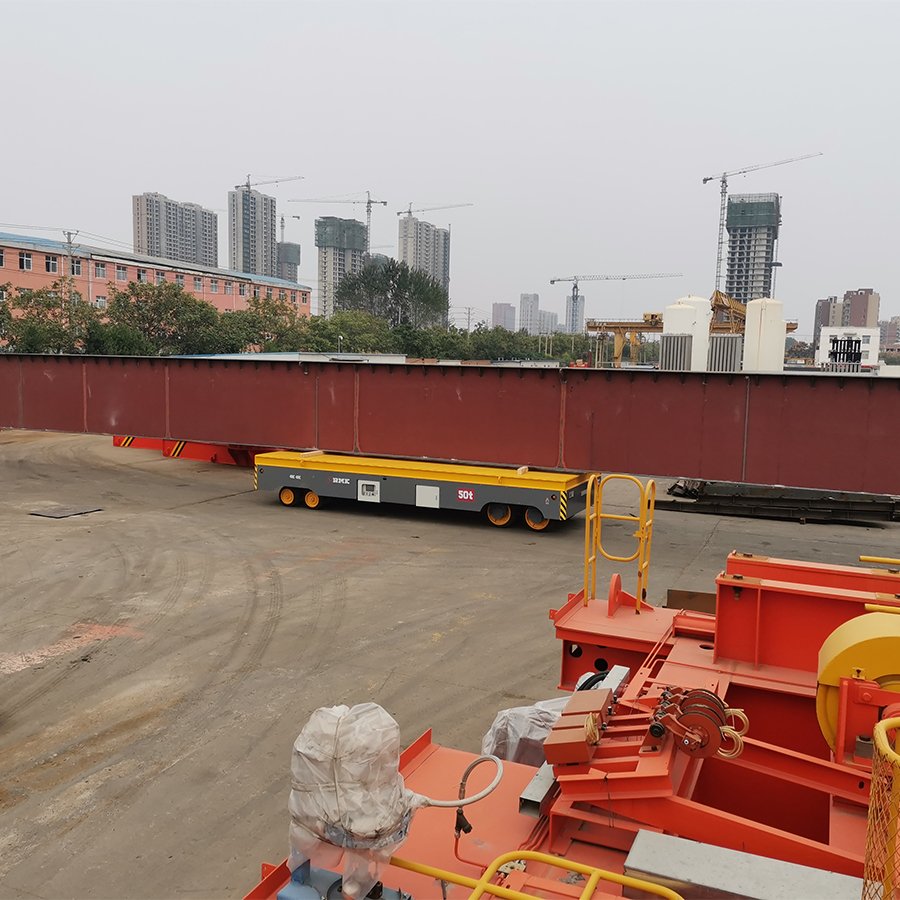
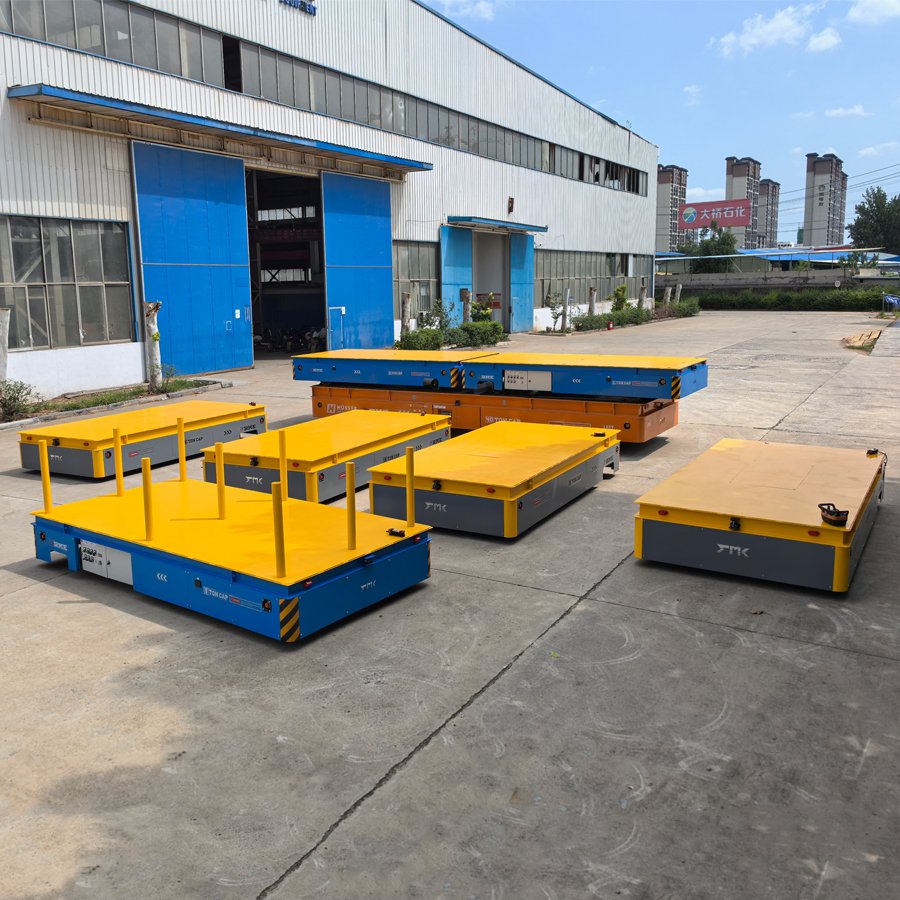
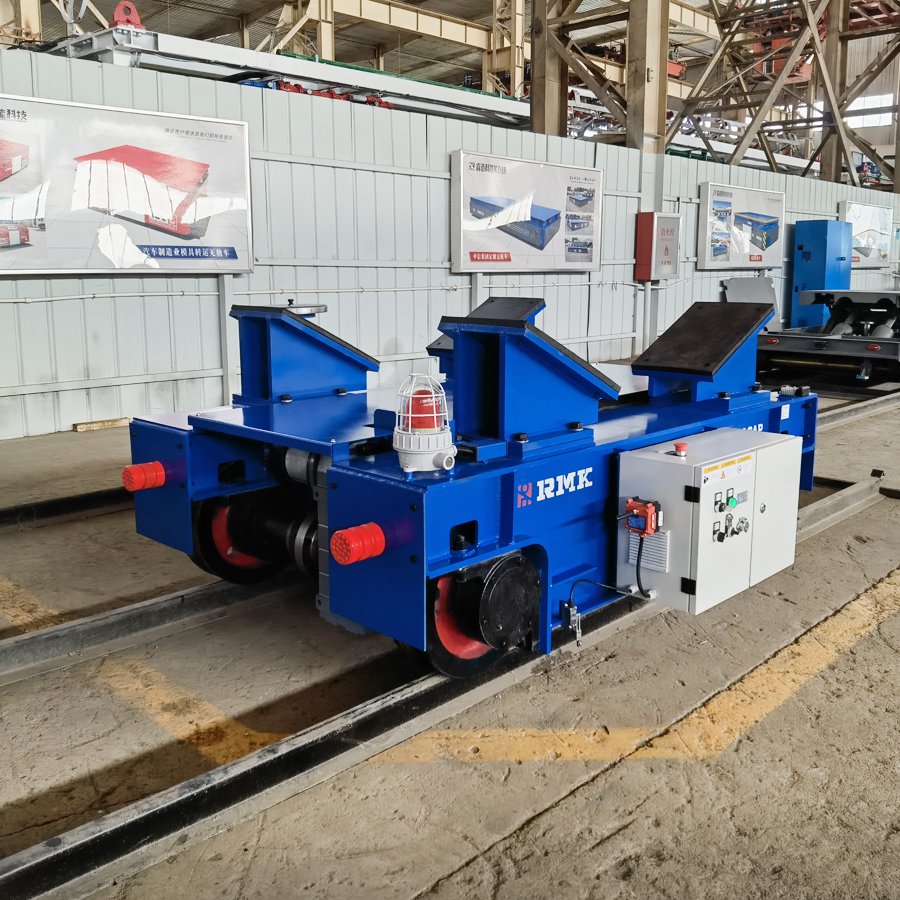
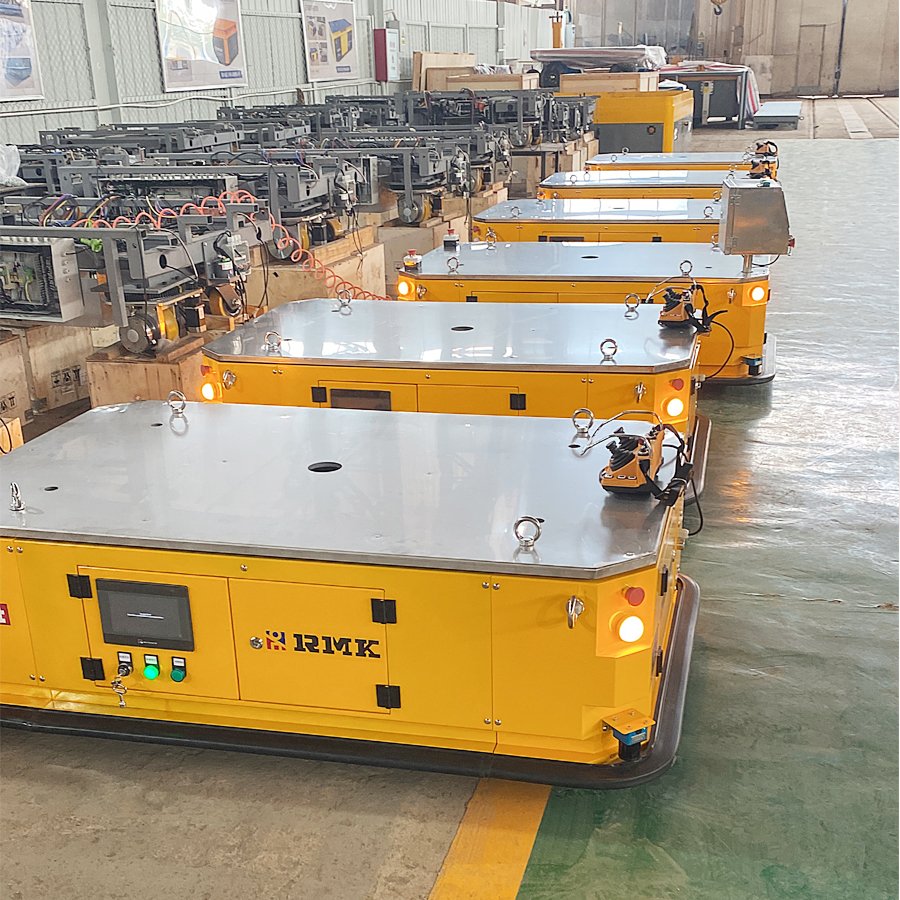
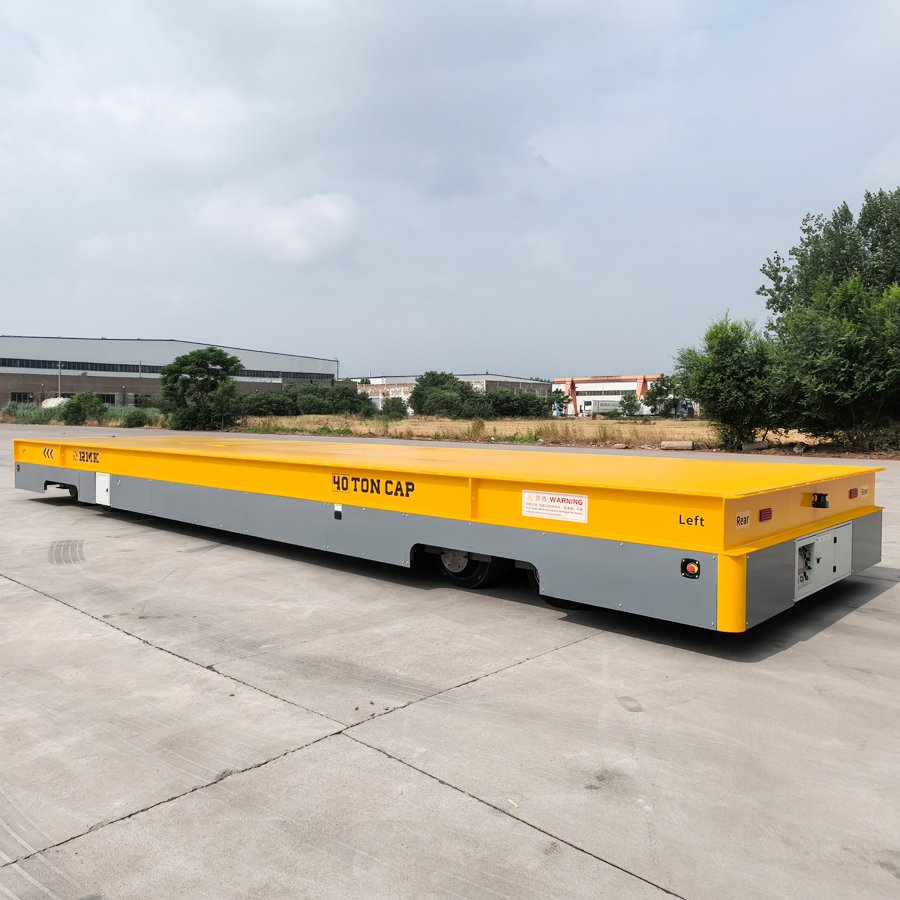
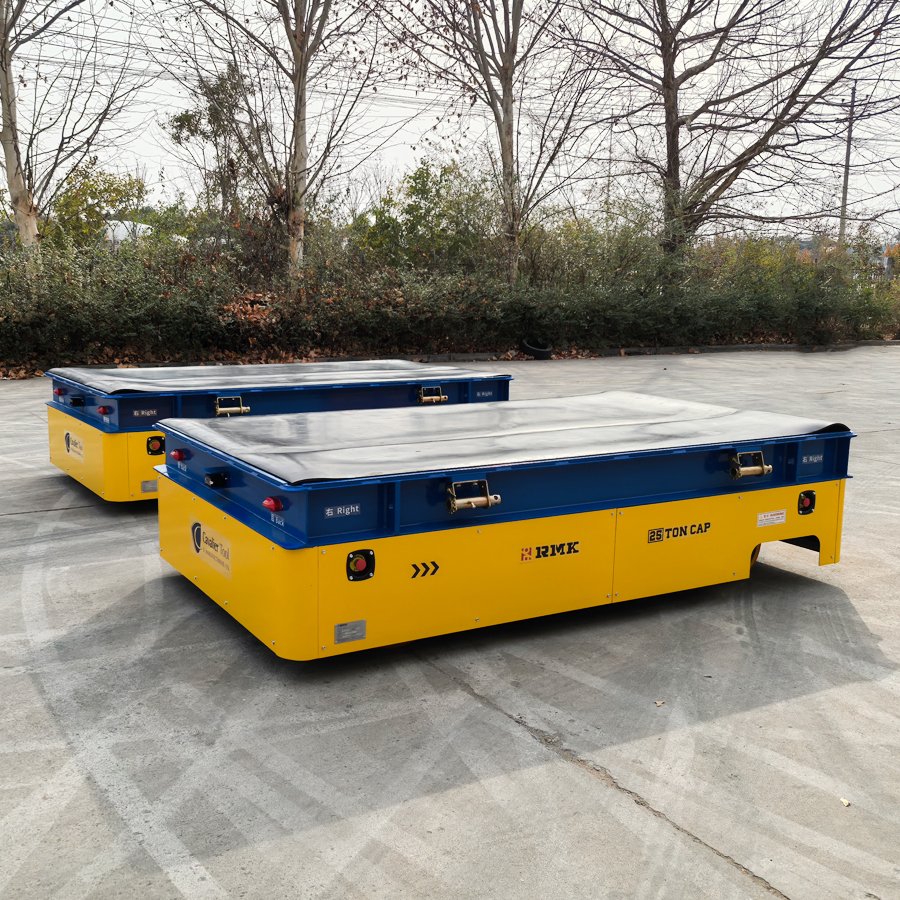
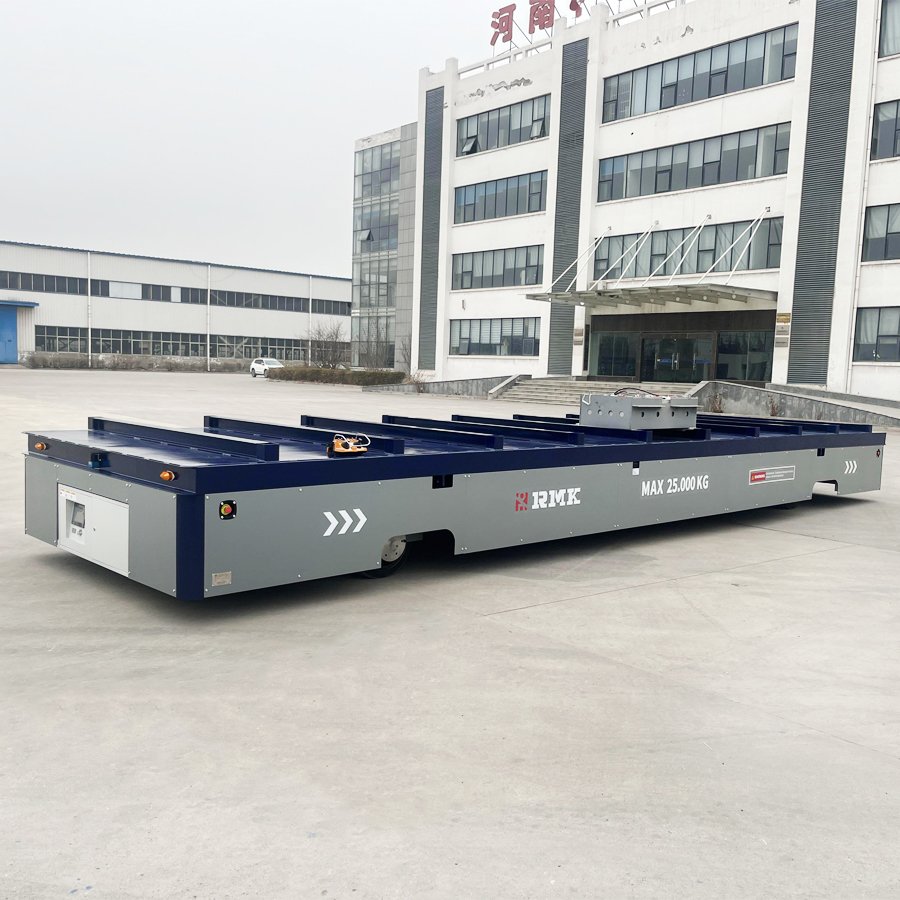
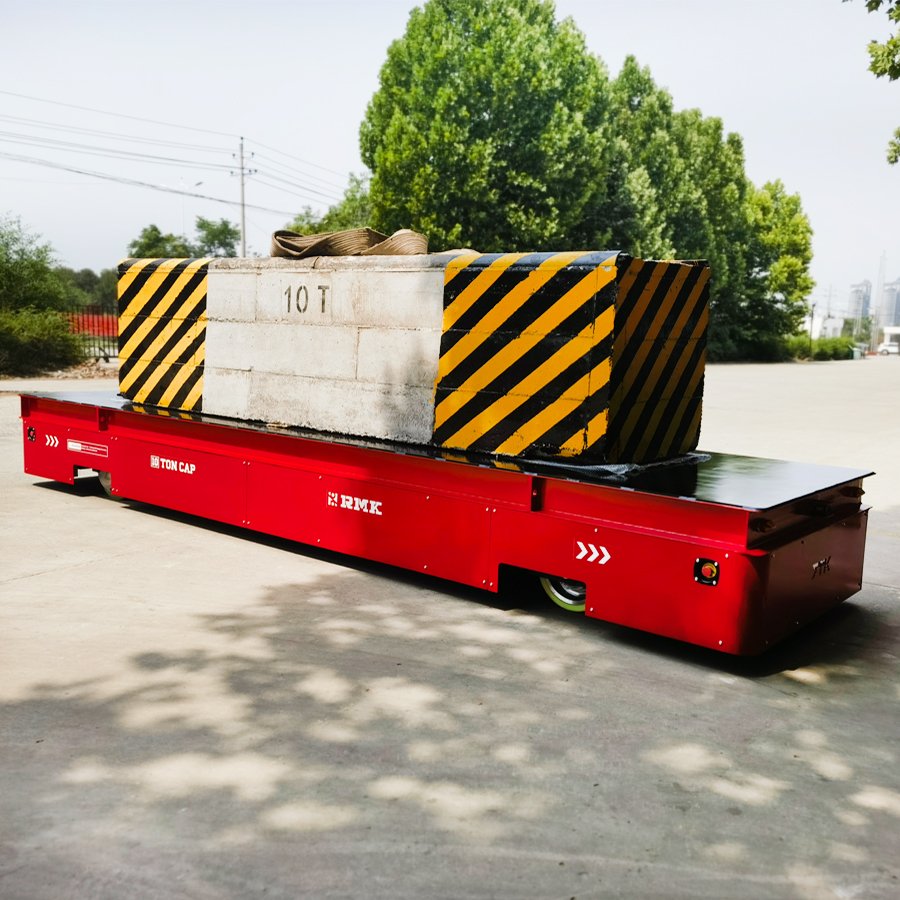
Industrial Transfer Cart — Efficient Heavy Load Movement Solutions
Remarkable designs and manufactures customized industrial transfer carts for seamless material handling across manufacturing, shipbuilding and power equipment sectors. Our solutions include rail-mounted, trackless, battery-powered and AGV automated models with load capacities from 1 to 500 tons. Fitted with advanced safety systems, soft-start/stop and precise navigation, they ensure stable, vibration-free transport for steel coils, molds, transformers and heavy components.
| Load Capacity |
From 1 to 500+ Tons. |
| Power type |
Battery powered, Cable reel, Busbar powered, Low voltage rail, Diesel powered, Towed, Automated guided |
| Table size (L×W×H) |
Table size is customizable according to your load dimensions. Standard sizes range from 1500×1000mm to 4000×2500mm, with height from 400mm to 600mm. |
| Control system |
Pendant control, Wireless remote control, PLC control system, Touch screen control panel, PC control |
Transfer Cart Types
Our transfer cart series is engineered for versatile industrial material handling, offering rail-guided, trackless and automated options. Meeting strict industrial standards, it provides stable, efficient and customized transport for manufacturing, metallurgy, shipbuilding and smart logistics.
Our transfer carts are classified by running type into rail transfer carts, trackless transfer carts, rail guided vehicles (RGV), and AGV/AMR. Rail models serve fixed routes with heavy load capacity; trackless types offer flexible, rail-free movement; RGV and AGV/AMR provide intelligent, automatic solutions for modern automated production and logistics.
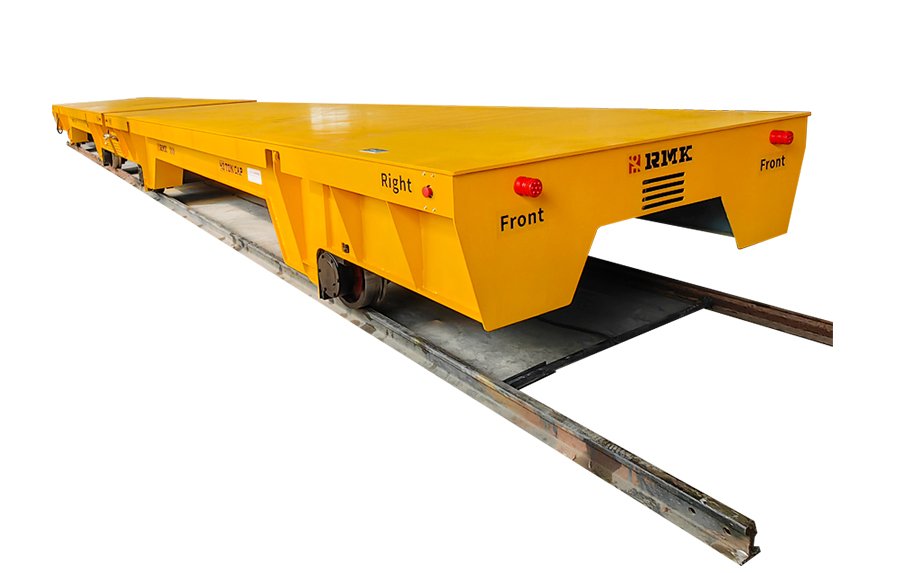
Rail transfer cart
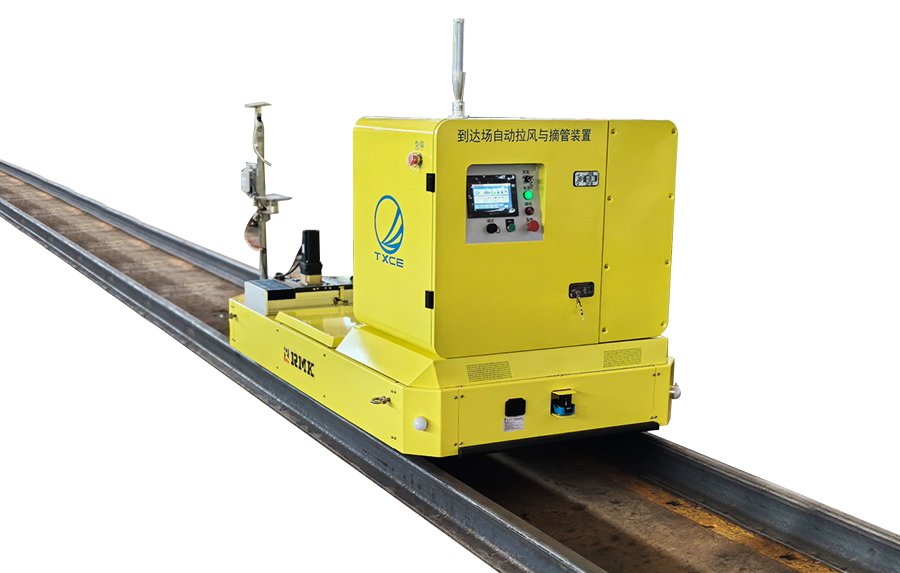
Rail Guided Vehicle
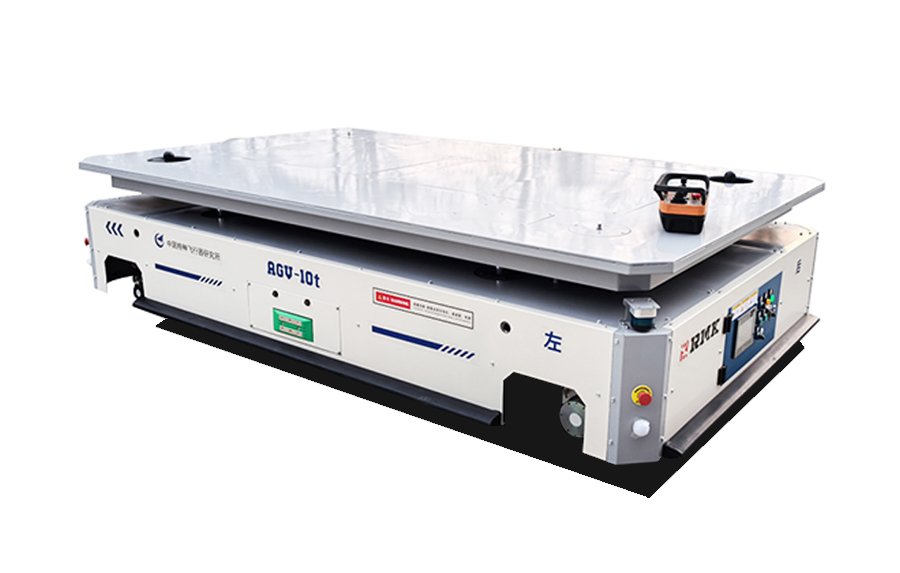
AGV/AMR
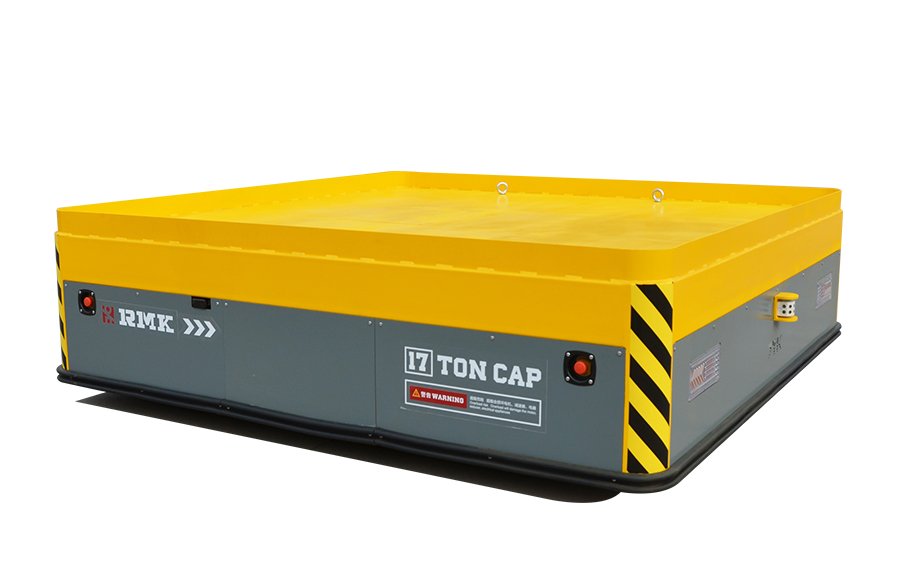
Trackless transfer cart
Our industrial transfer carts and trolleys are designed for versatile heavy-duty material handling across various industrial applications. They are widely used for mold & die transportation in manufacturing, coil, billet, steel and metal product handling in metallurgy and steel plants, as well as ladle, hot metal and slag pot transfer in foundries. Suitable for warehouse, workshop and factory intralogistics, they also support customized transport for transformers, pressure vessels, steel structures, shipyard equipment and other heavy loads, with both rail and trackless models available.
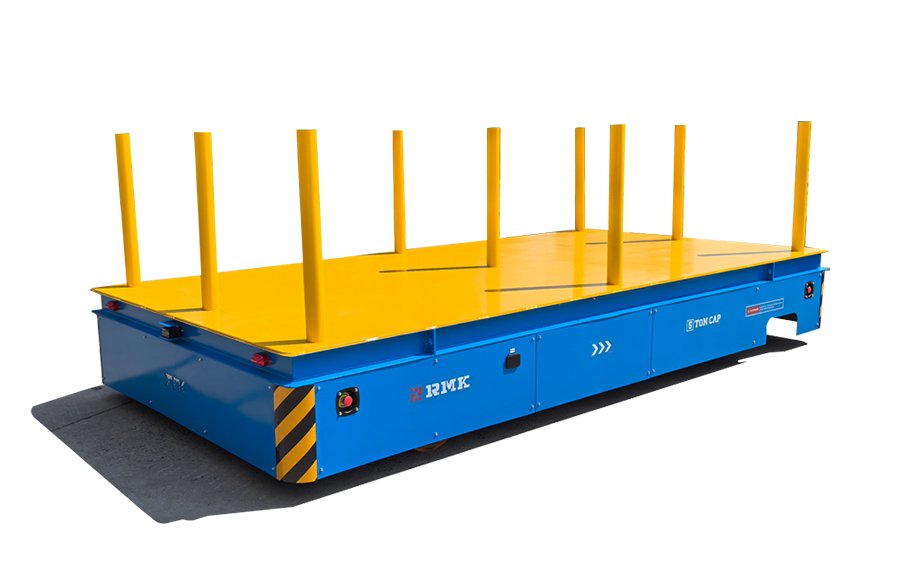
Steel pipe transfer trolley
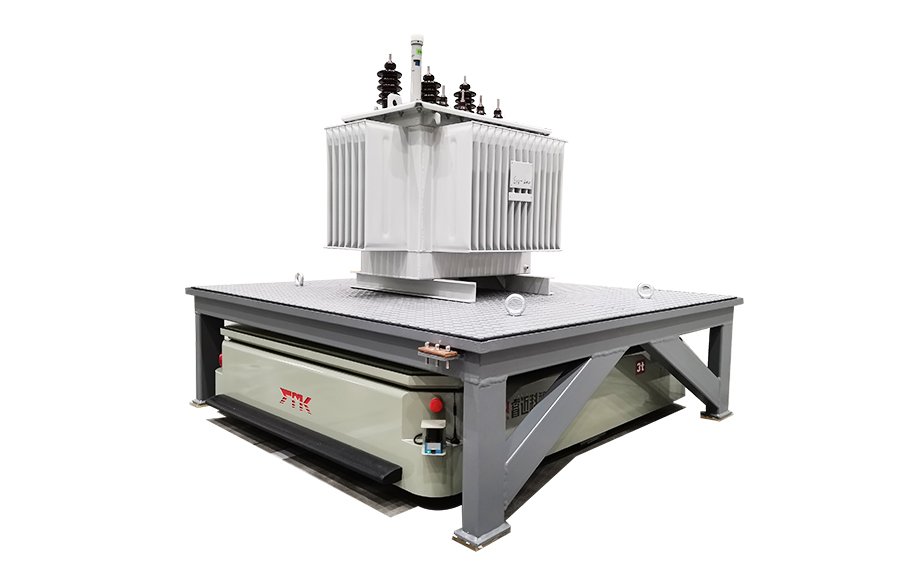
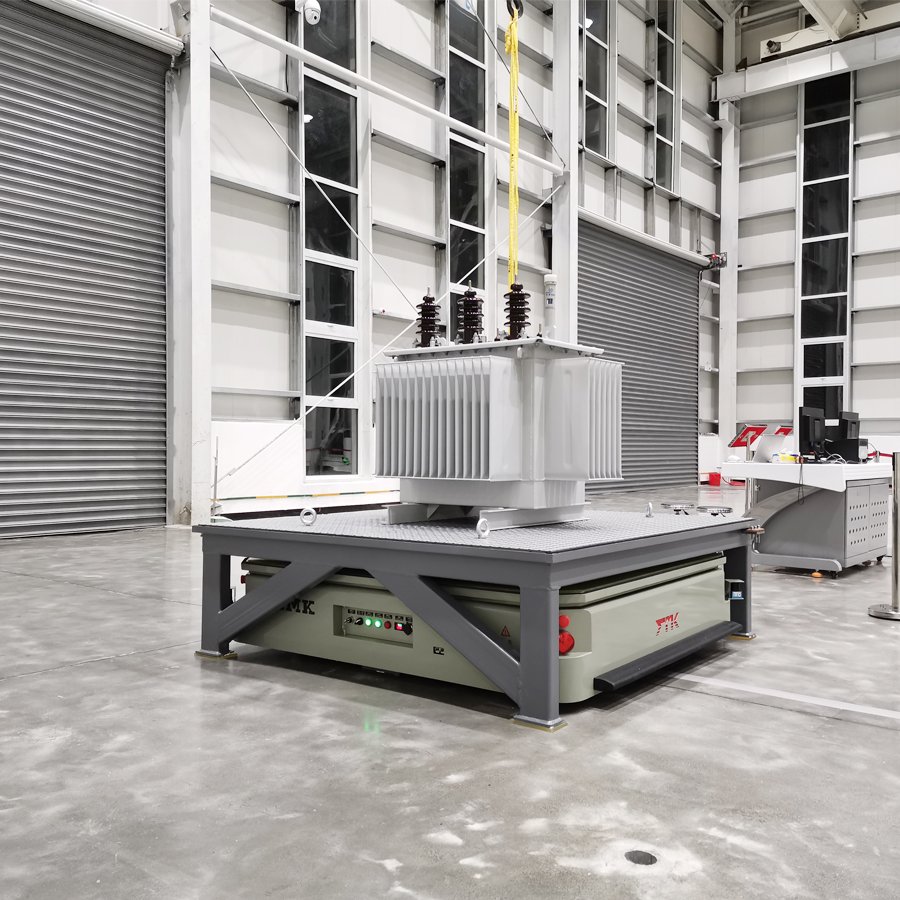
Transfer cart for transformer Manufacturing
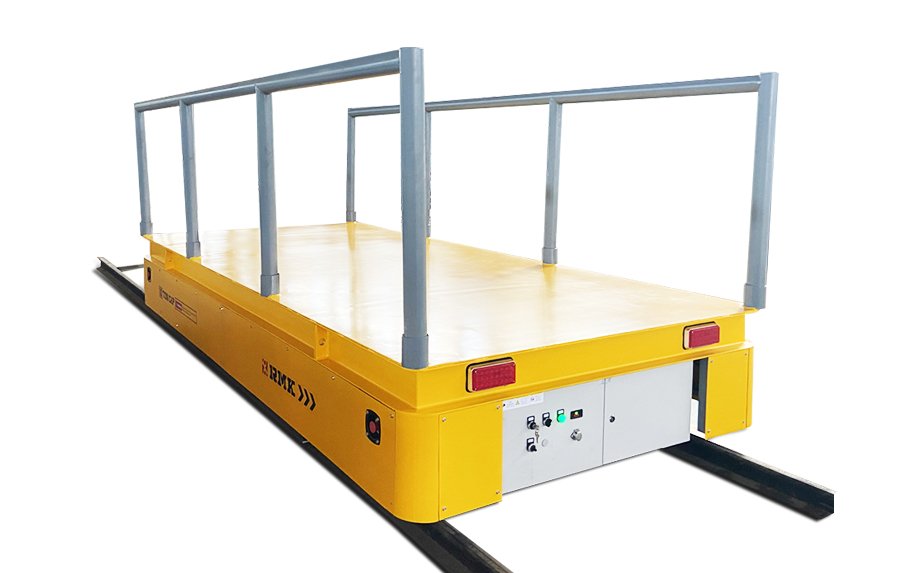
Workshop Transfer cart
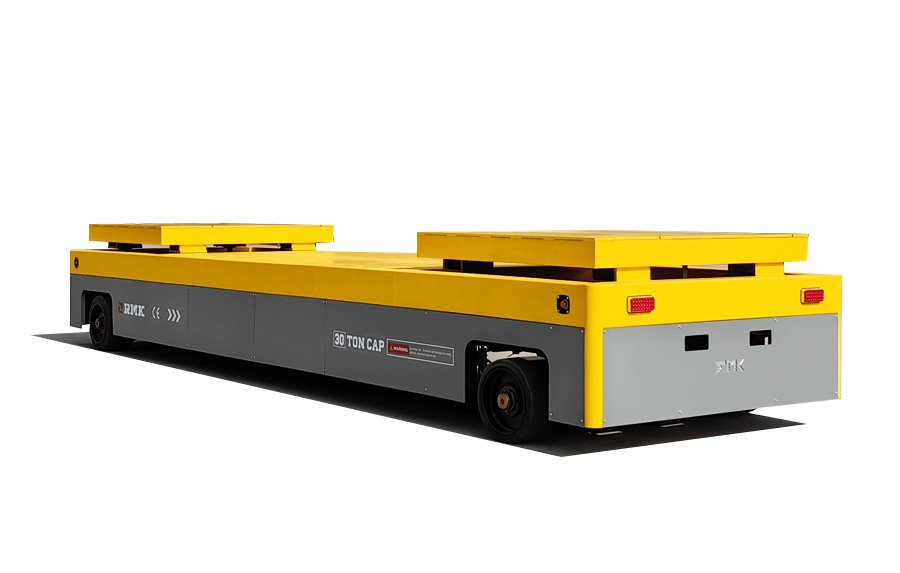
Outdoor Transfer cart
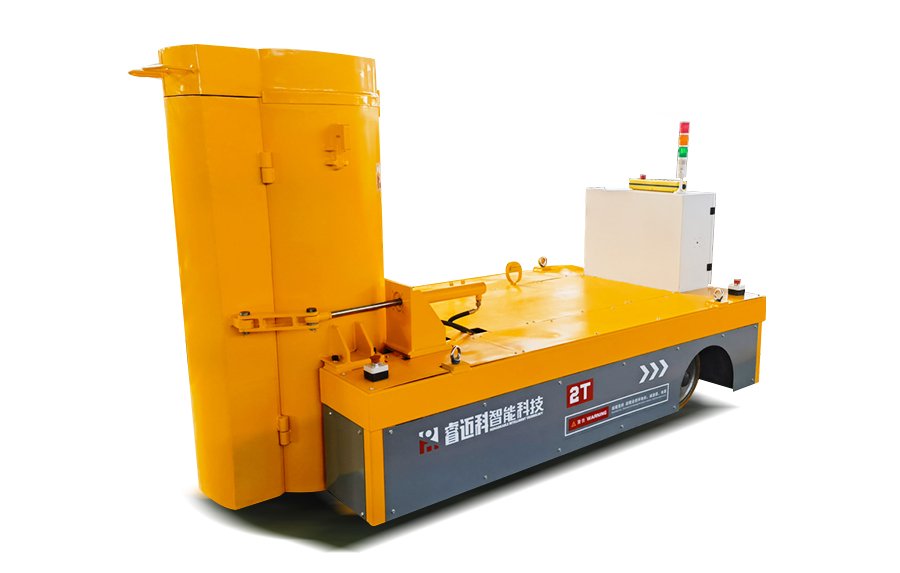
Material transfer cart
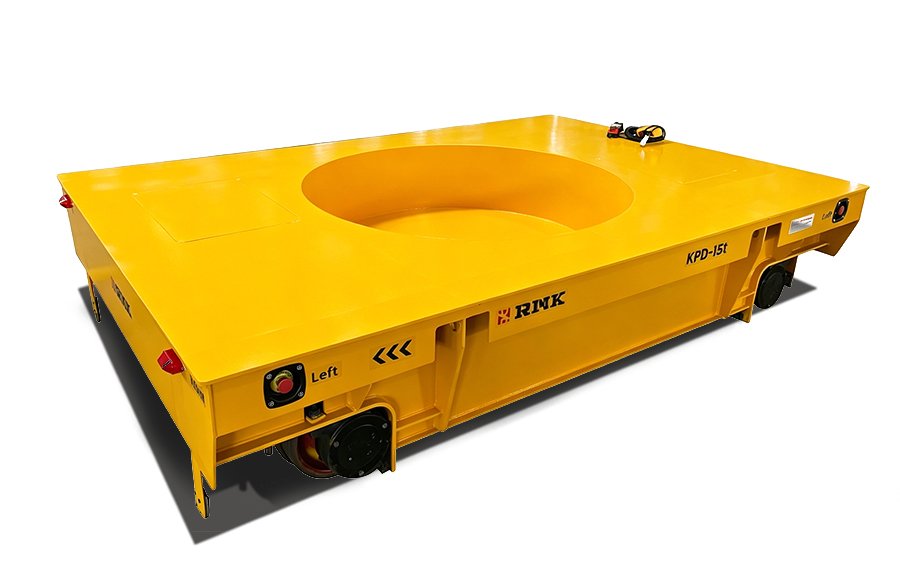
Ladle transfer cart
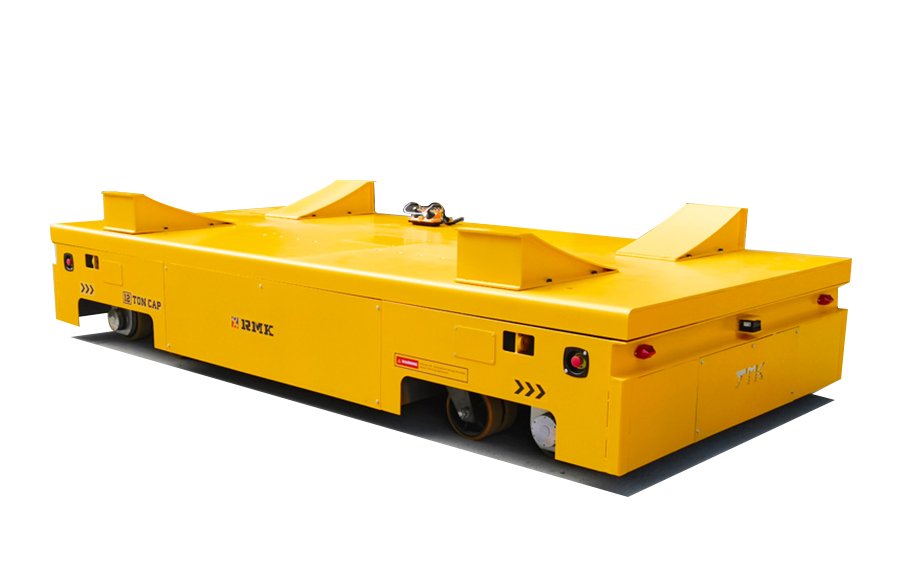
Coil transfer cart
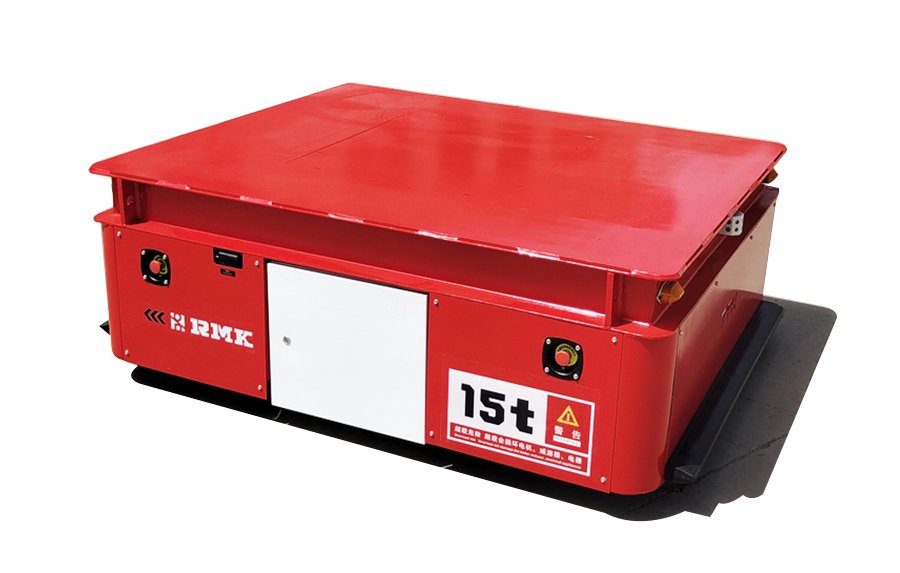
Mold transfer cart
Our transfer carts are categorized by power supply to suit different industrial applications, including four main types: cable-powered (with three configurations: drag chain, trailing cable, and cable reel/drum), busbar/sliding contact line-powered, low-voltage rail-powered, and non-powered (including RWT trackless trailers and KP rail trailers, which are towed by other equipment and require no external power supply).
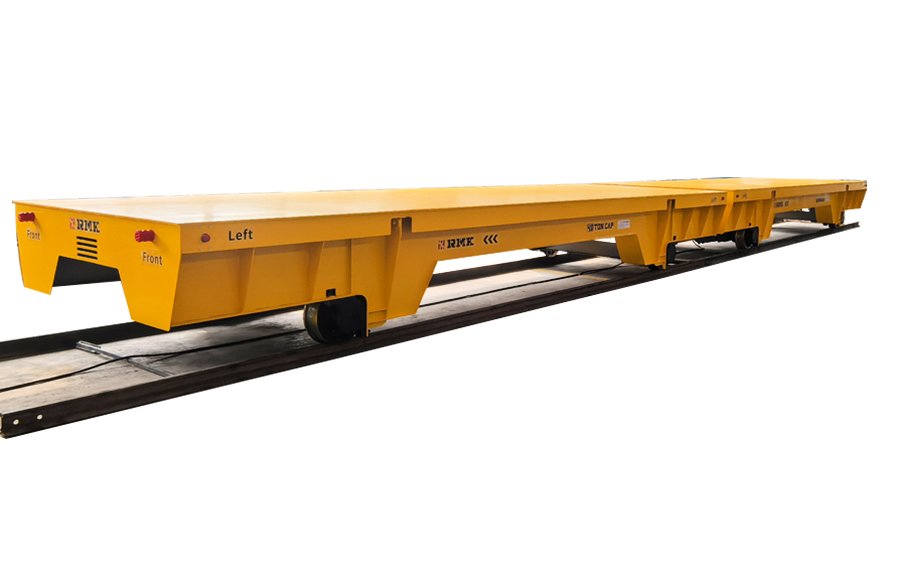
KPJ Cable Drum Transfer Cart
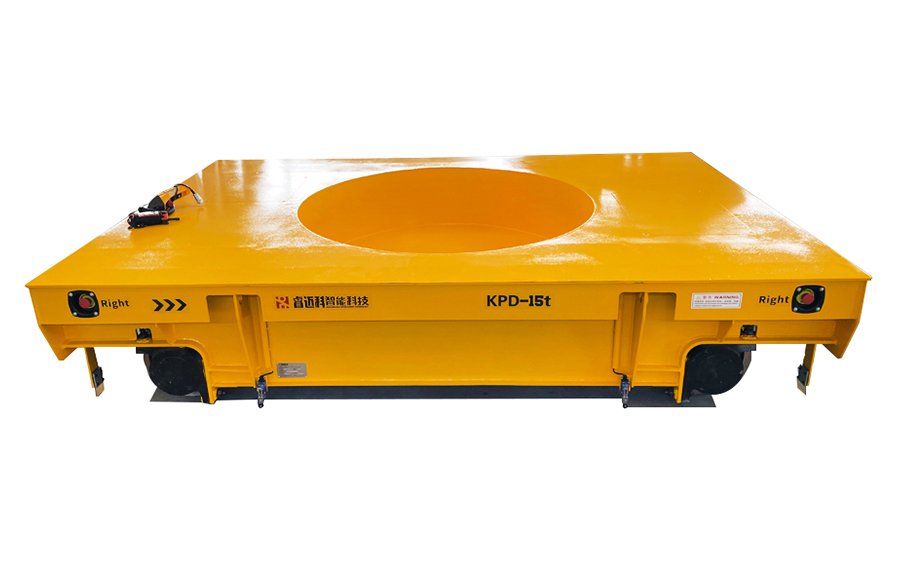
Low Voltage rail transfer Car
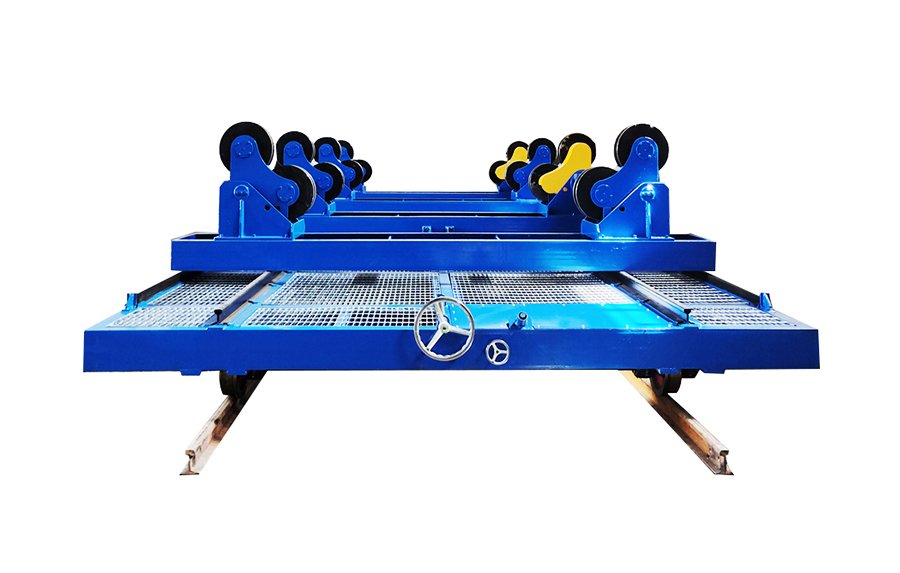
KP Rail Trailers
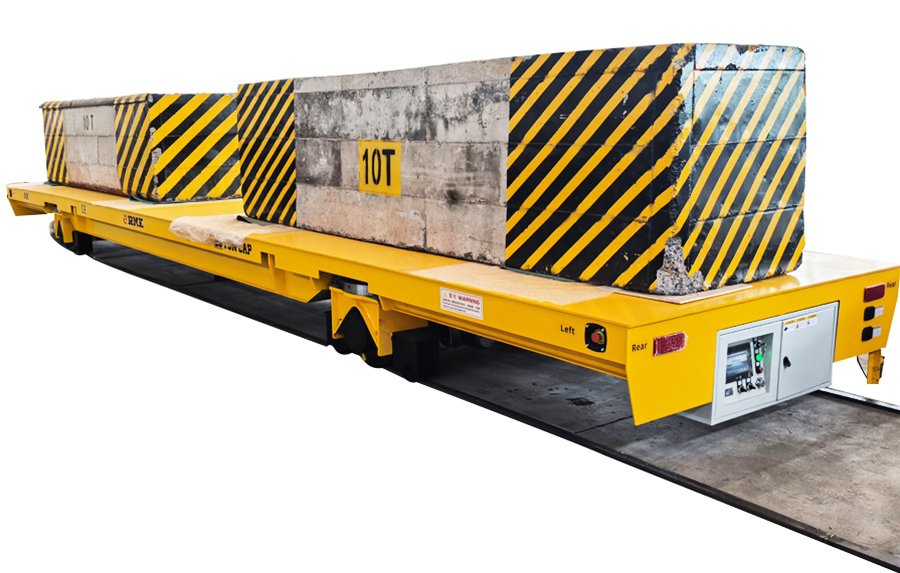
KPC Sliding Contact Line Transfer Cart
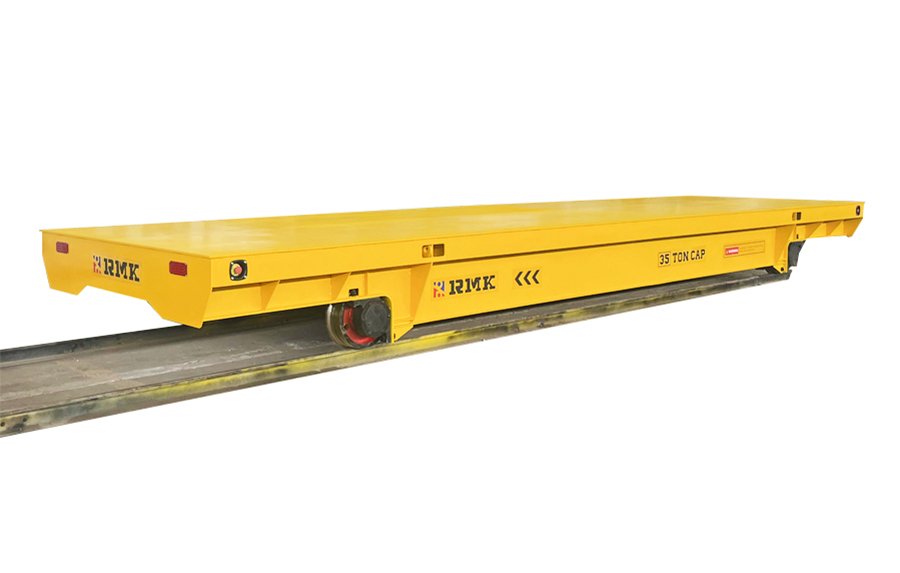
KPX Battery Rail Transfer Cart
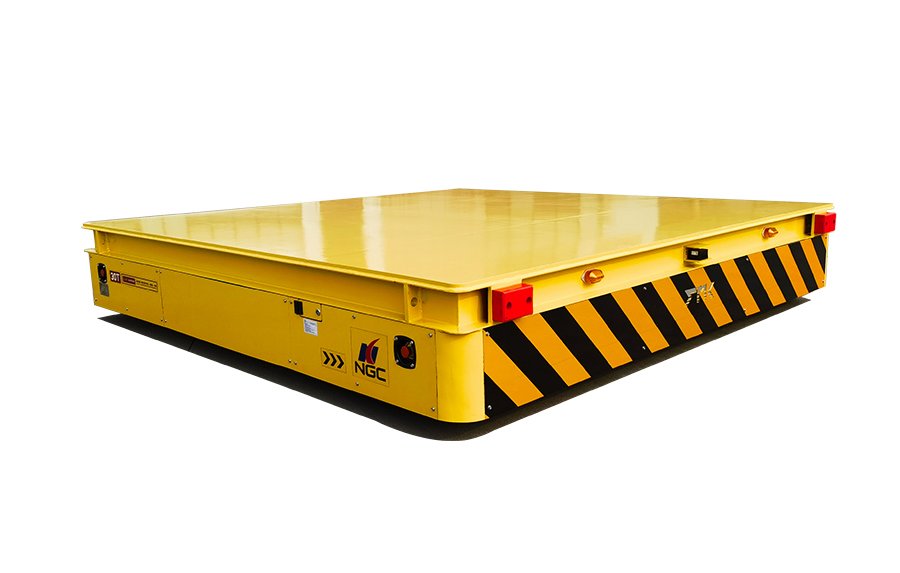
Battery powered transfer cart
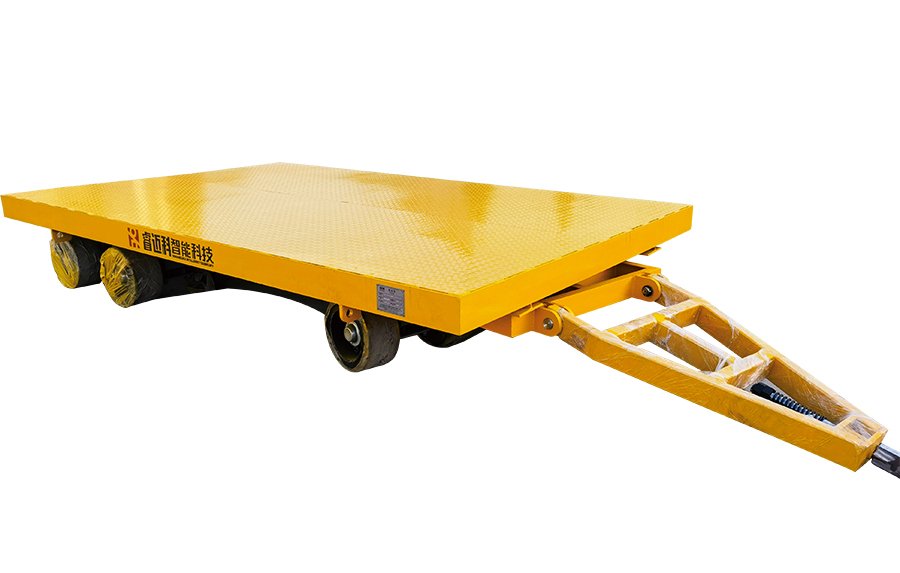
RWT Trackless Trailers
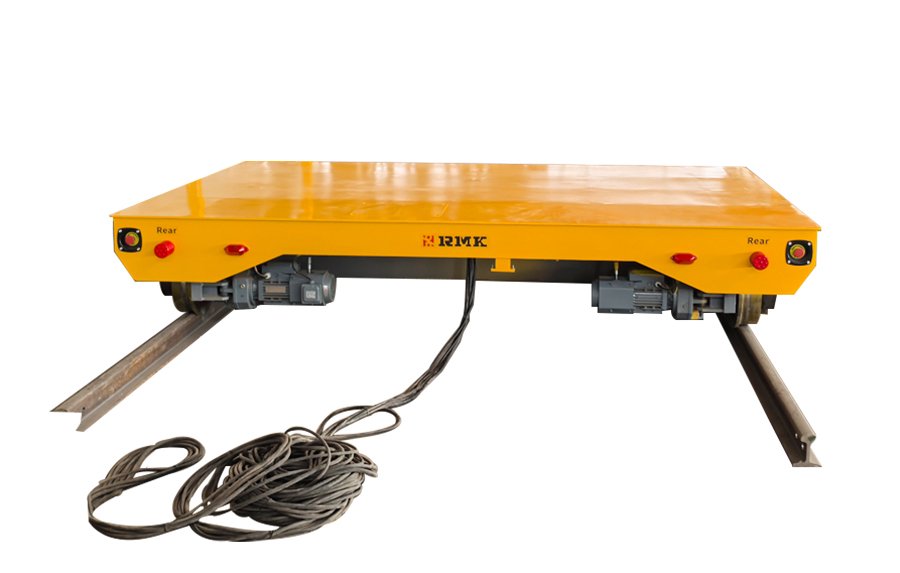
KPT Cable Electric Transfer Cart
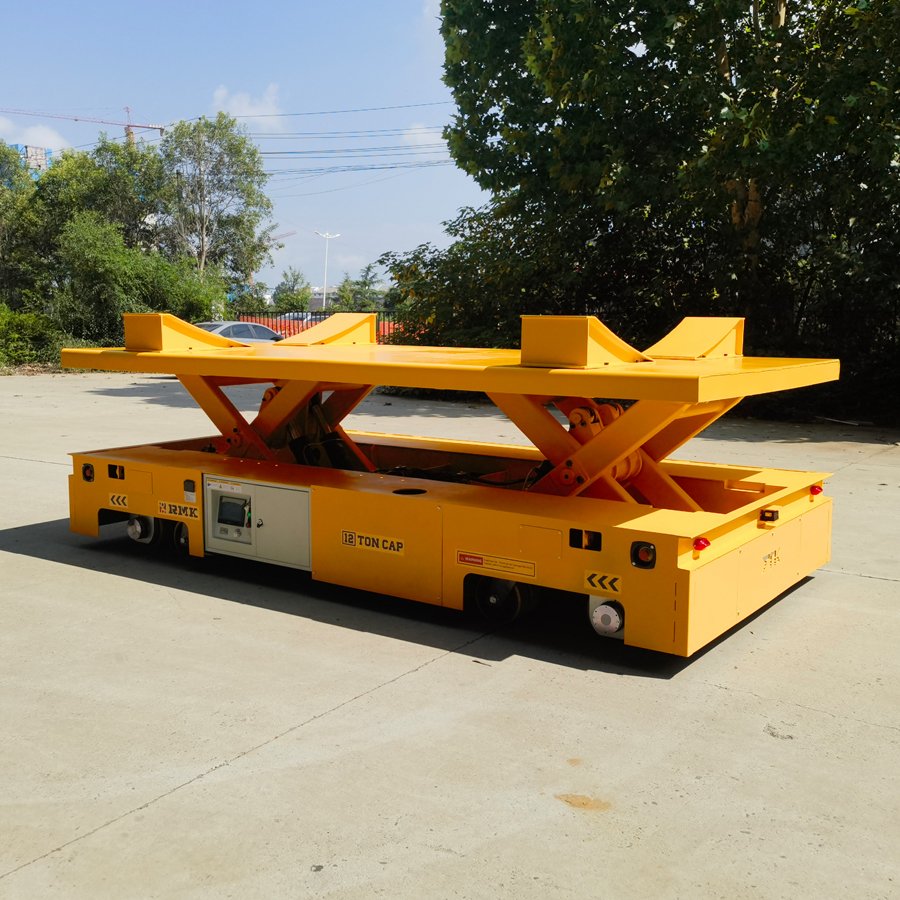
Our electric transfer carts come with diverse customizable additional functions to fit various industrial handling needs. Options include lifting platforms, brackets, saddle seats, pallets, robotic arms, clamping devices, on-board rails, weighing systems, roller conveyors, traction devices and turntable rail design. Stable, efficient and adaptable to heavy-duty working conditions.
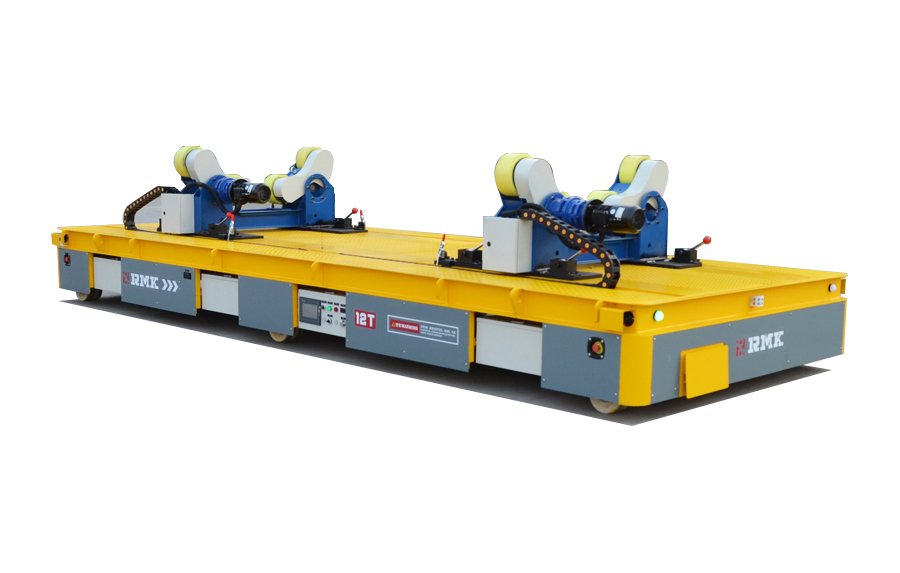
Bracket Transfer Cart
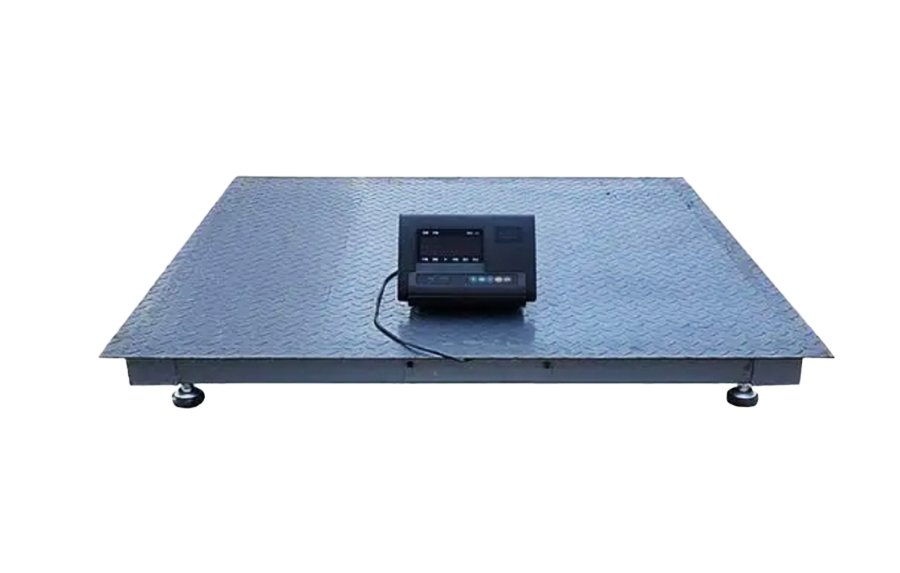
Transfer Cart with Weighing System
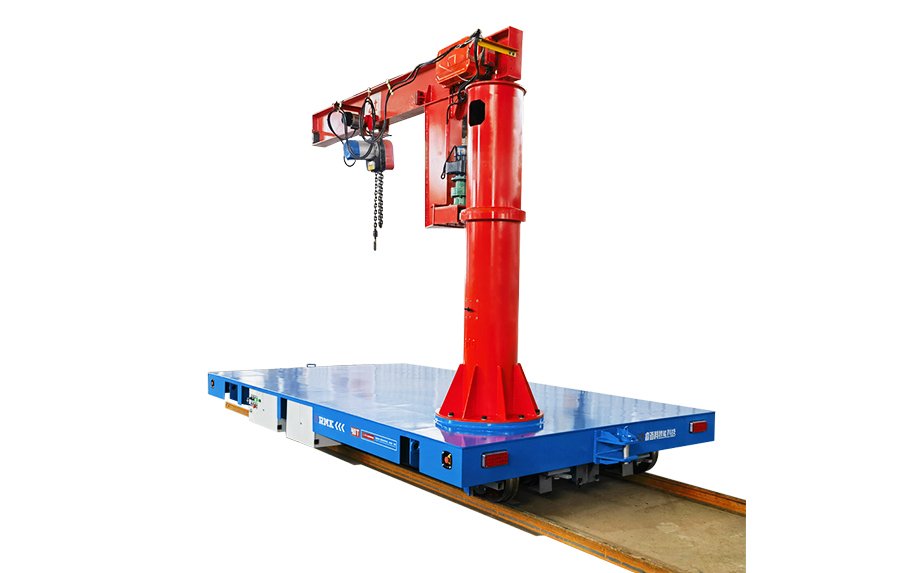
Jib Crane Transfer Cart
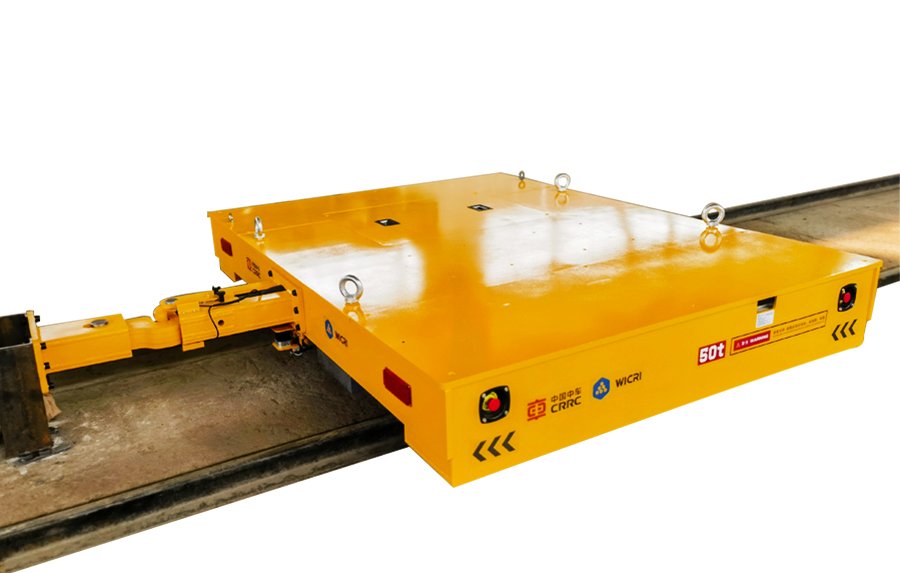
Traction Type Rail Transfer Cart
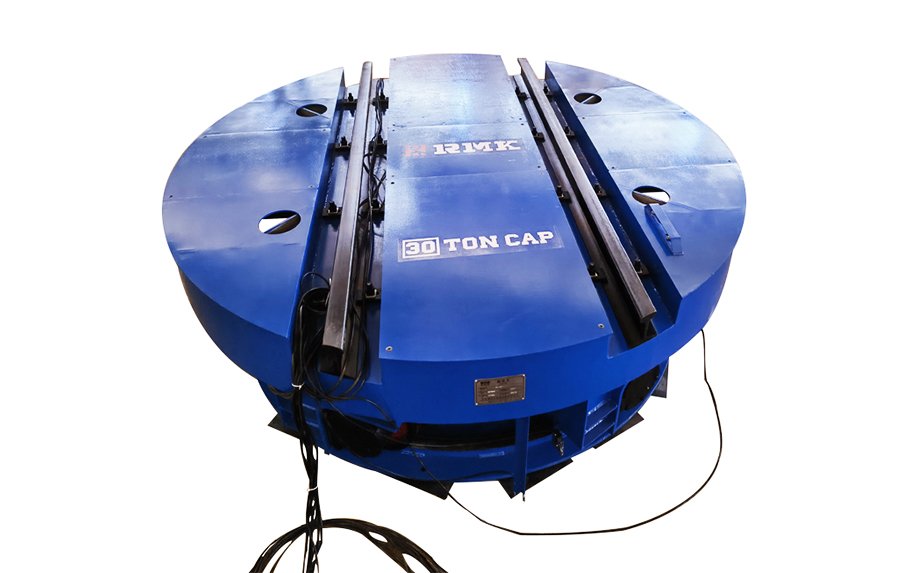
Turntable rail transfer cart
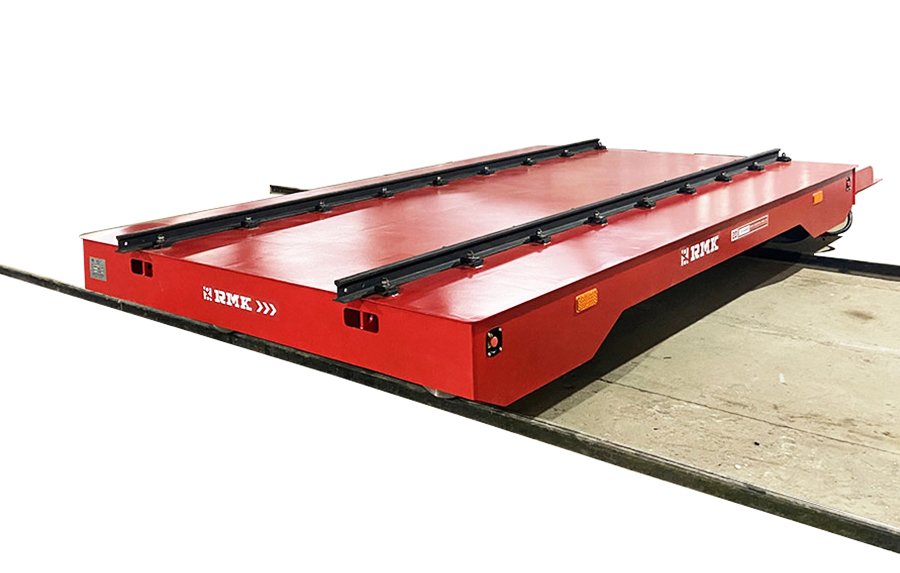
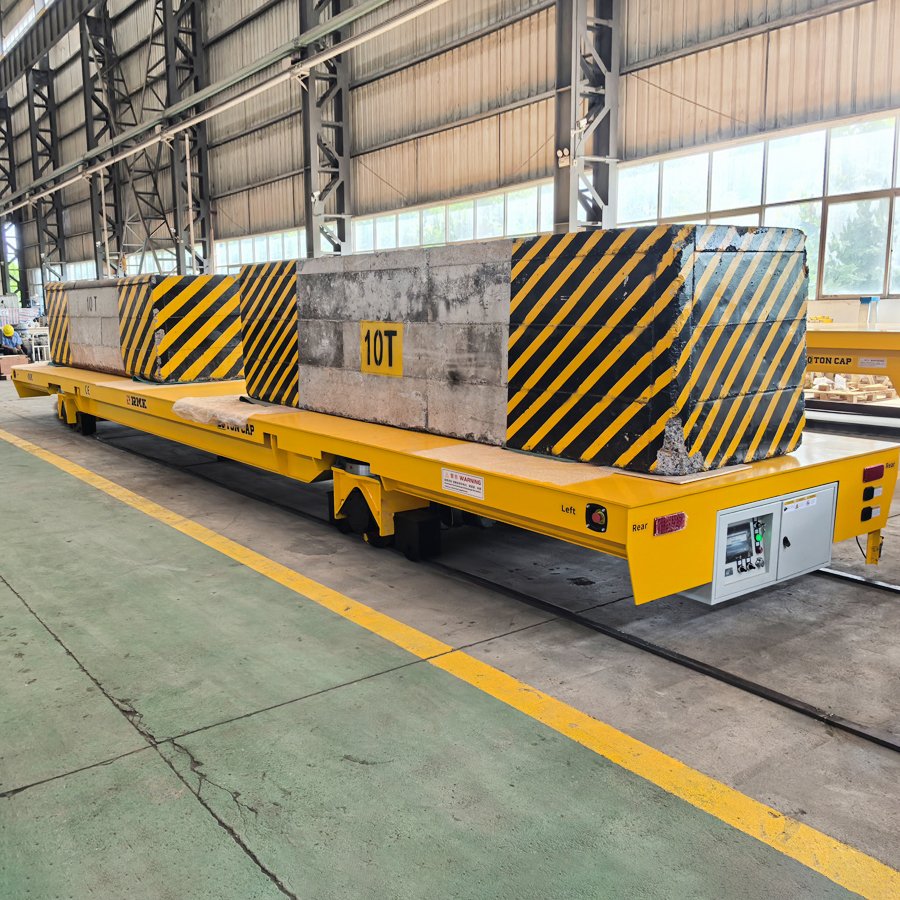
Rail-Mounted Transfer Cart
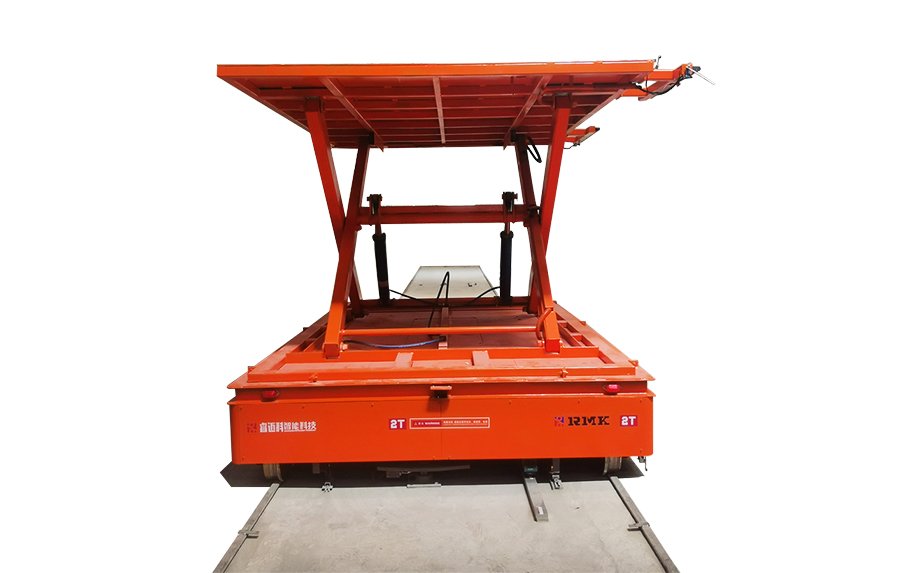
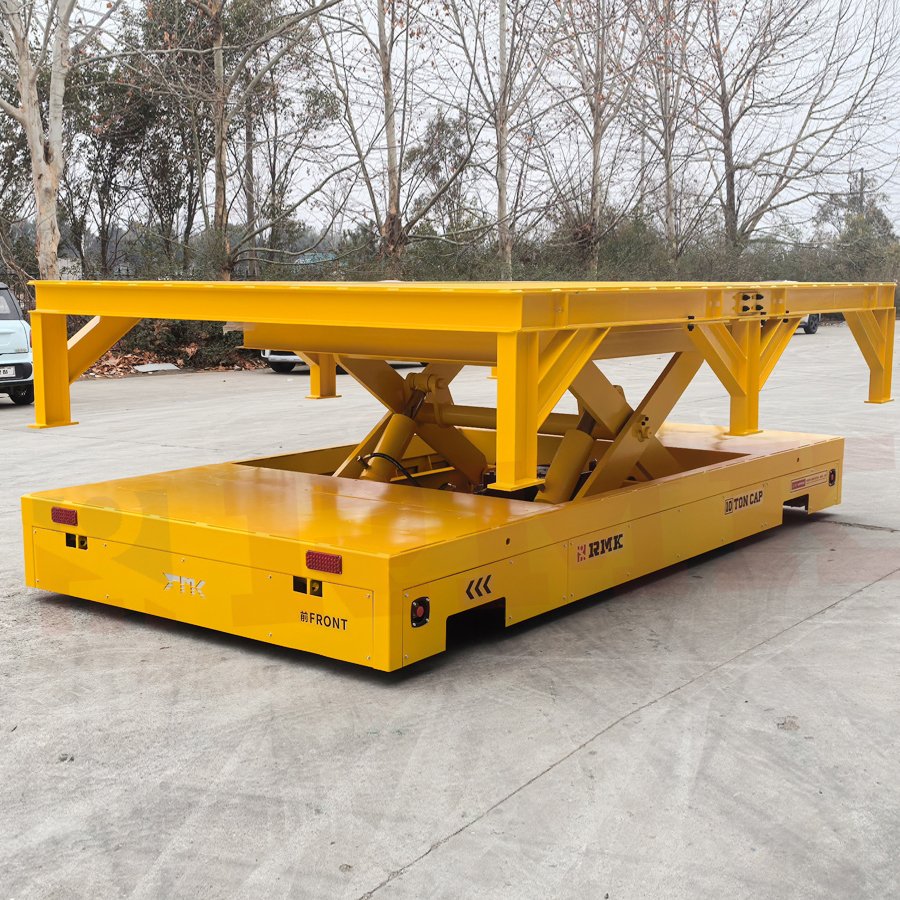
Lifting Transfer Cart
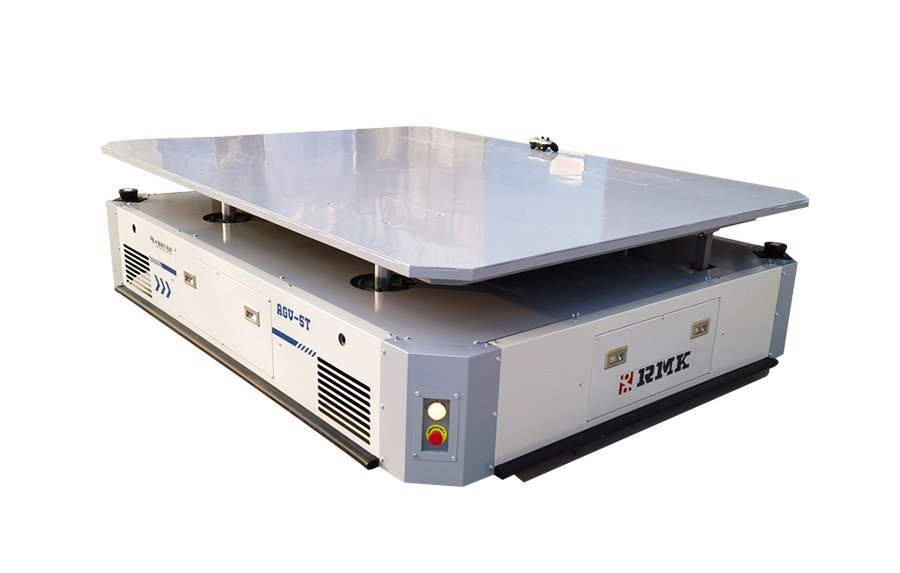
Pallet transfer carts
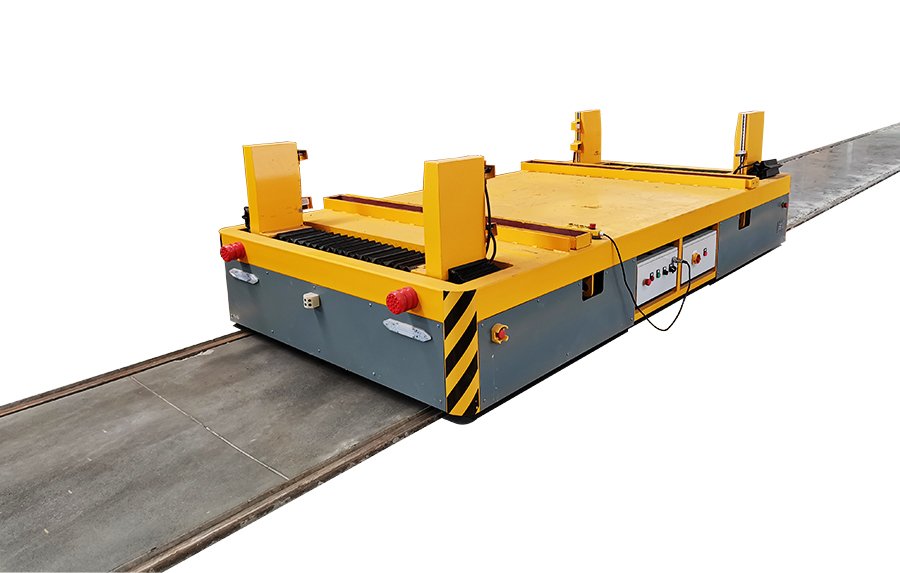
Clamping Transfer Cart
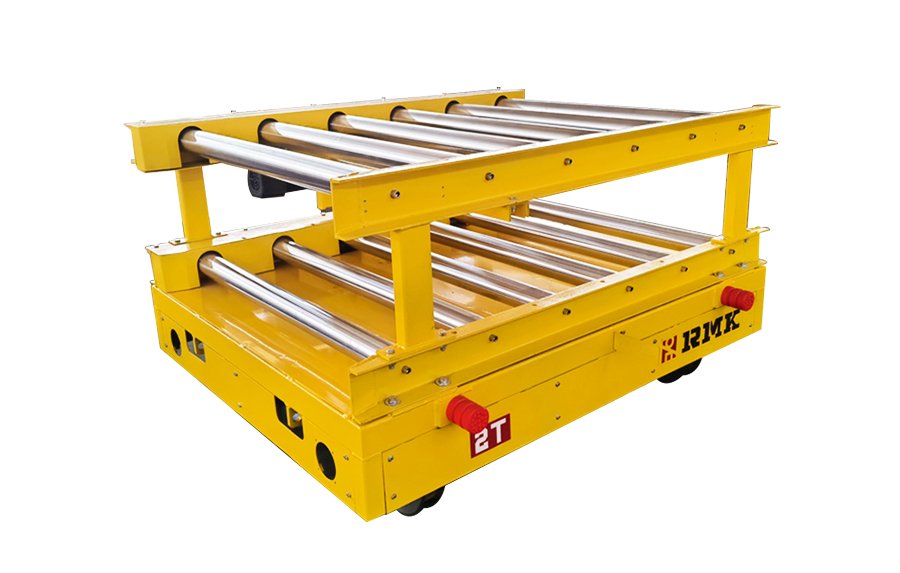
Roller Conveyor Transfer Cart
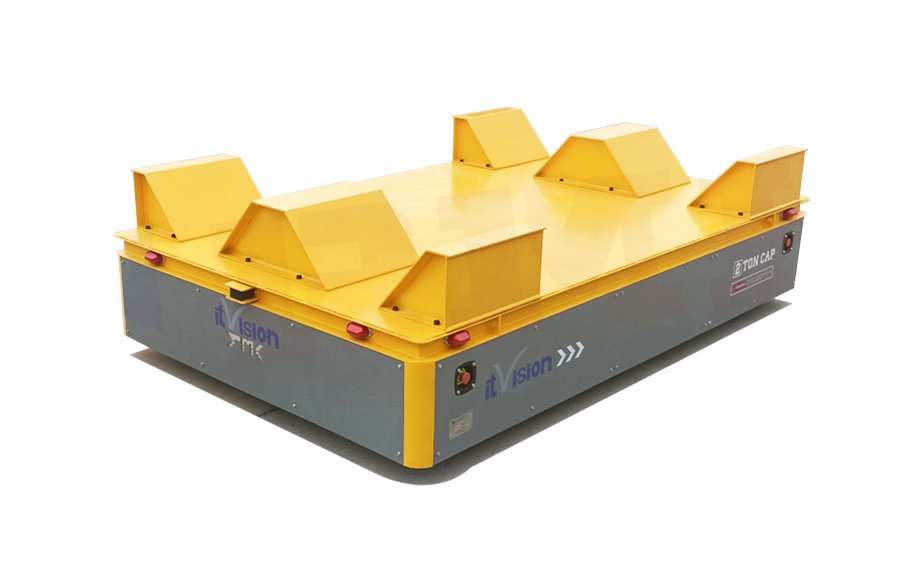
Saddle Mounted Transfer Cart
Our transfer carts support two drive options: electric steering and hydraulic steering. Mecanum wheel, Omni-directional and differential steering use electric drive only.
Front wheel, rear wheel, four-wheel crab and opposite four-wheel steering can be electric or hydraulic:electric for small-to-medium tonnage, hydraulic for heavy-duty high-load applications.
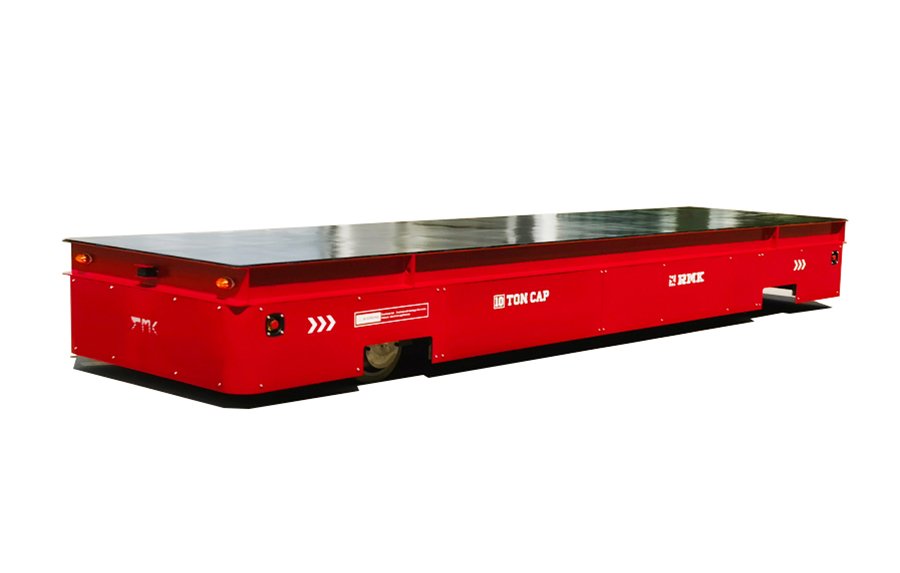
Hydraulic transfer cart
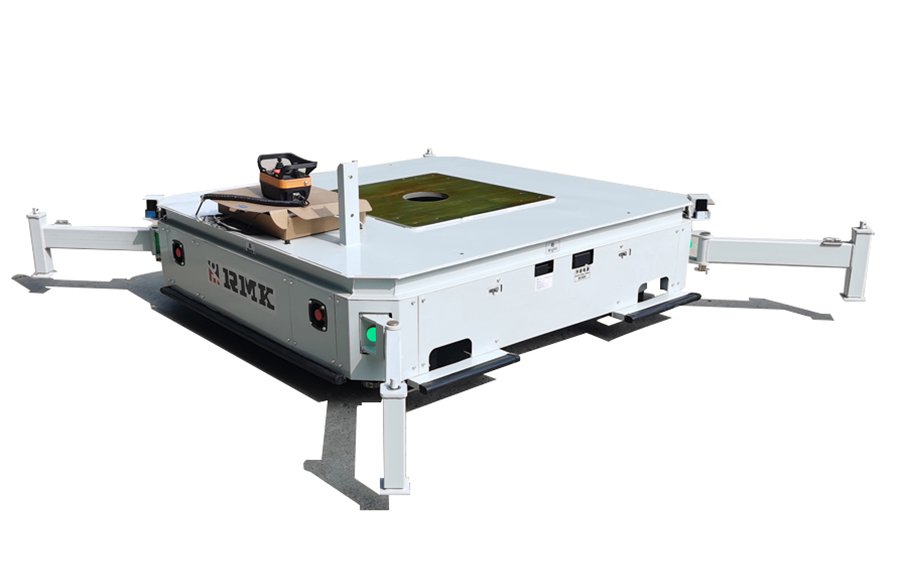
Omnidirectional transfer cart
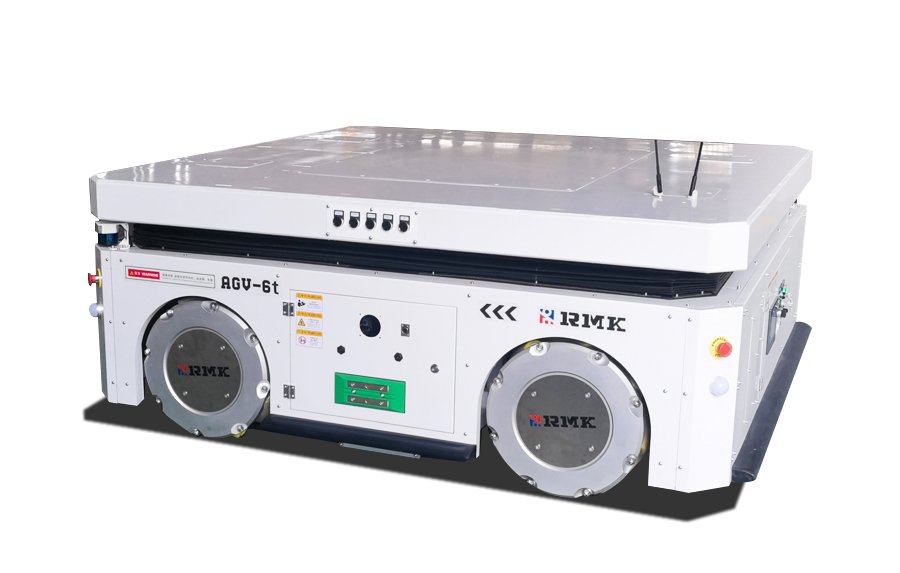
Mecanum wheel transfer cart
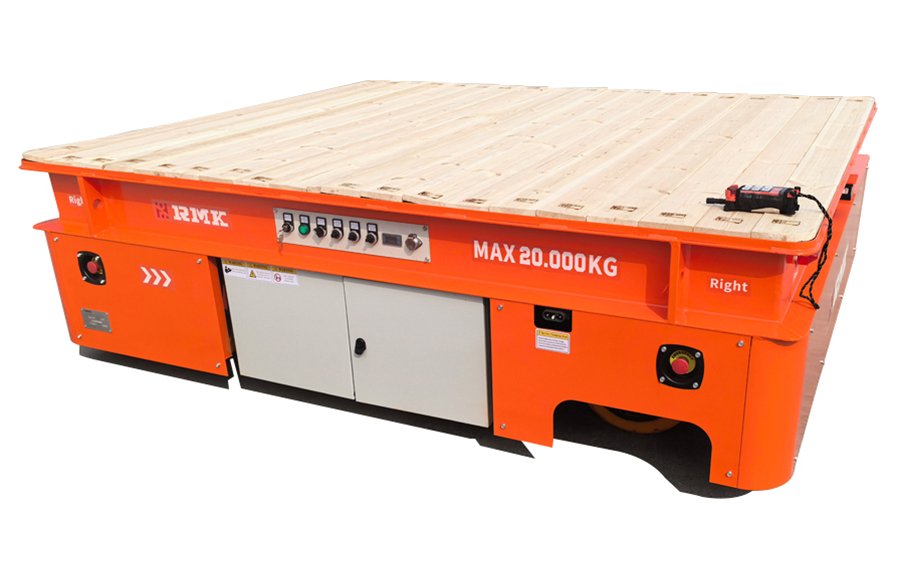
Differential Steering Trackless Transfer Cart
Our transfer carts cover a full load capacity range from 1 to 500 tons. Custom load specifications are available based on your specific working conditions, easily meeting the transportation needs of both light and ultra-heavy materials.
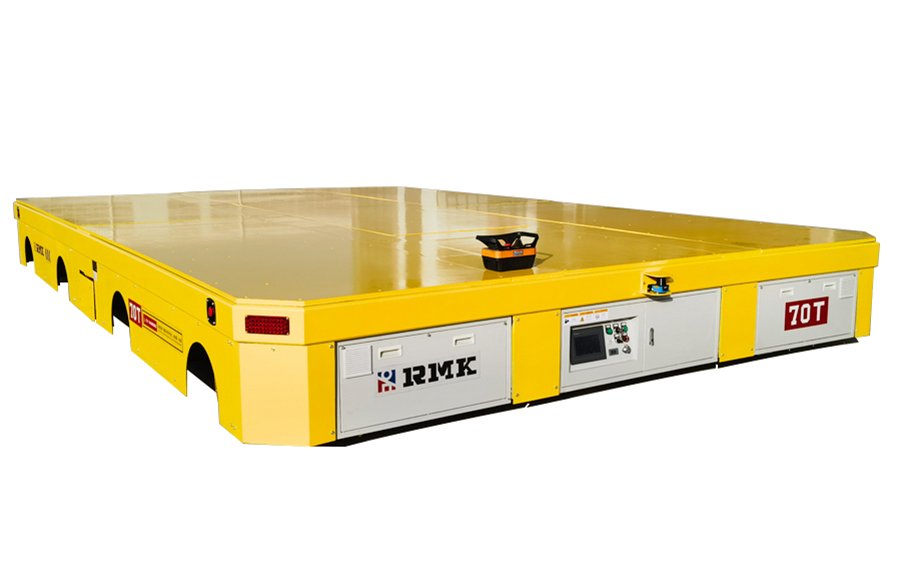
70-Ton Differential Steering Omnidirectional Transfer Vehicle
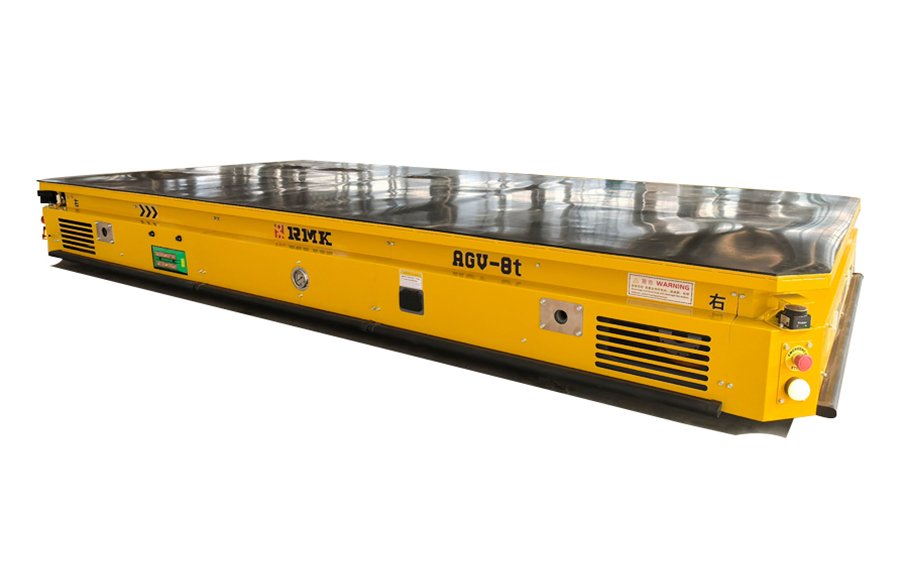
8-Ton Laser Navigation Lifting Platform AGV
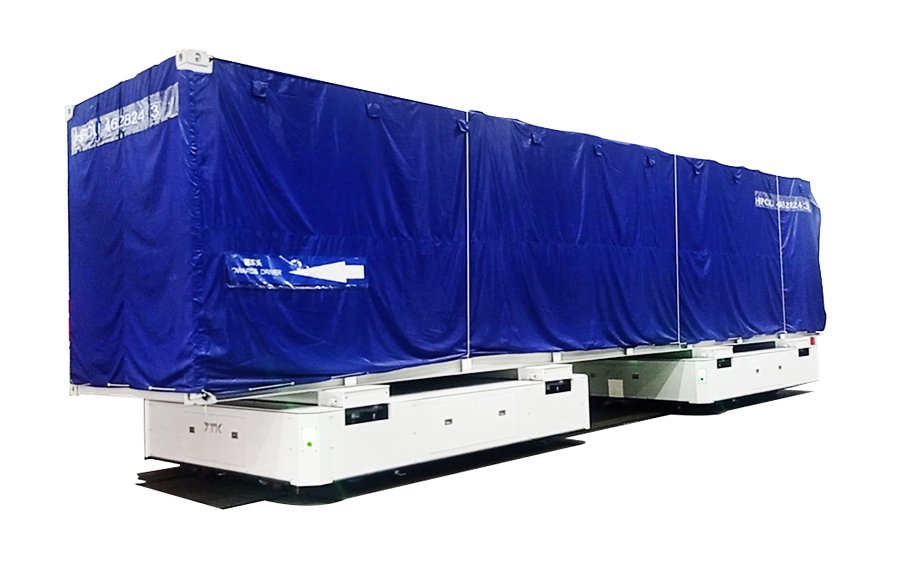
40+40 Ton Tandem Dual RGV with X-Y Movement
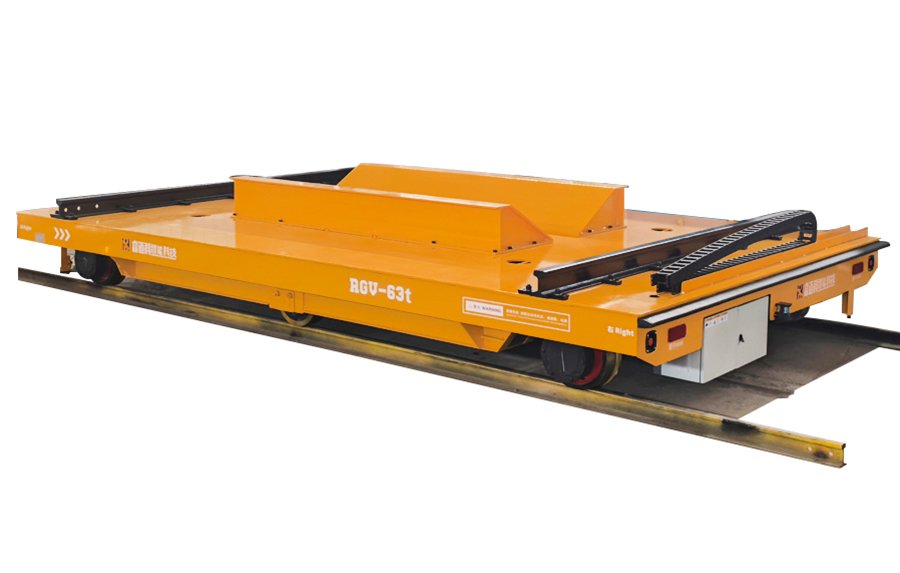
63-Ton RGV (Rail Guided Vehicle)
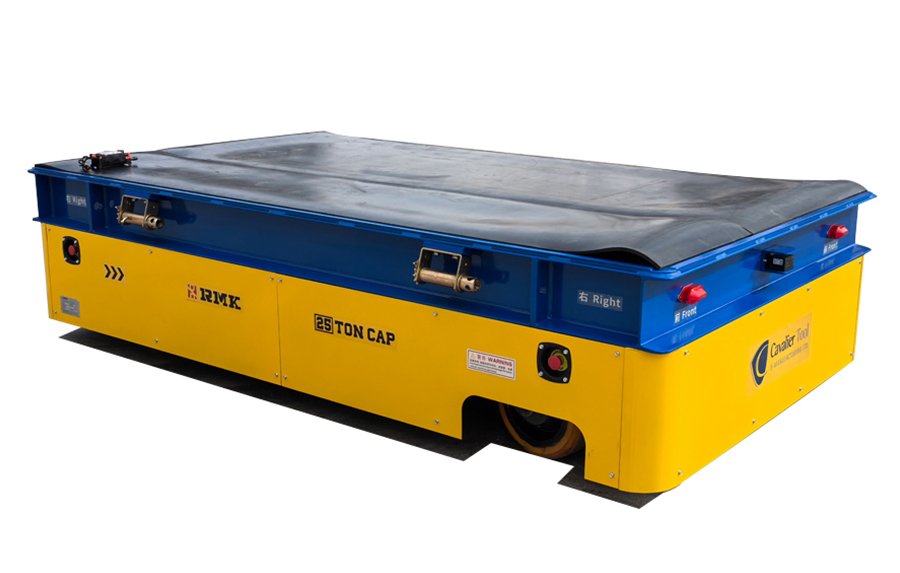
25-Ton Differential-Drive Transfer Vehicle
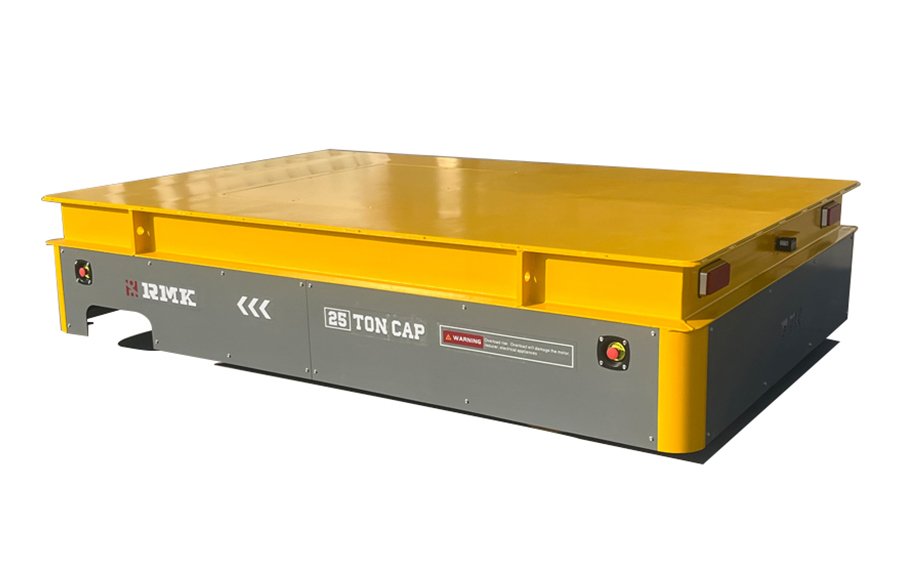
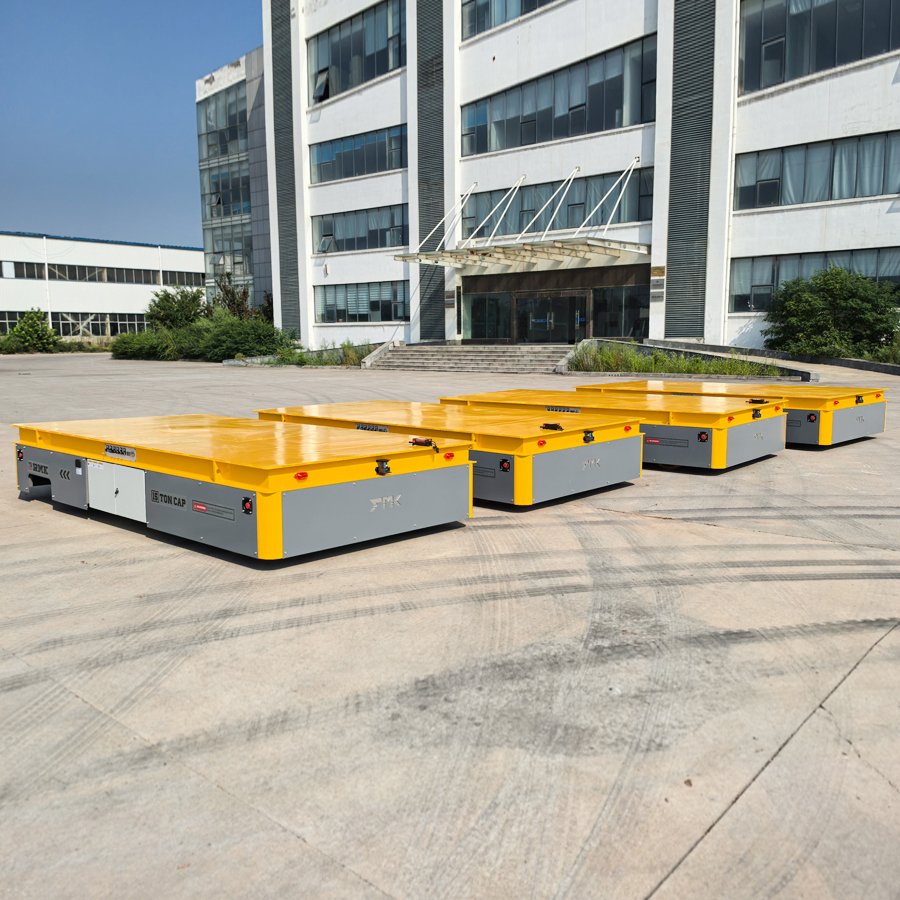
25 Ton Trackless Transfer Cart
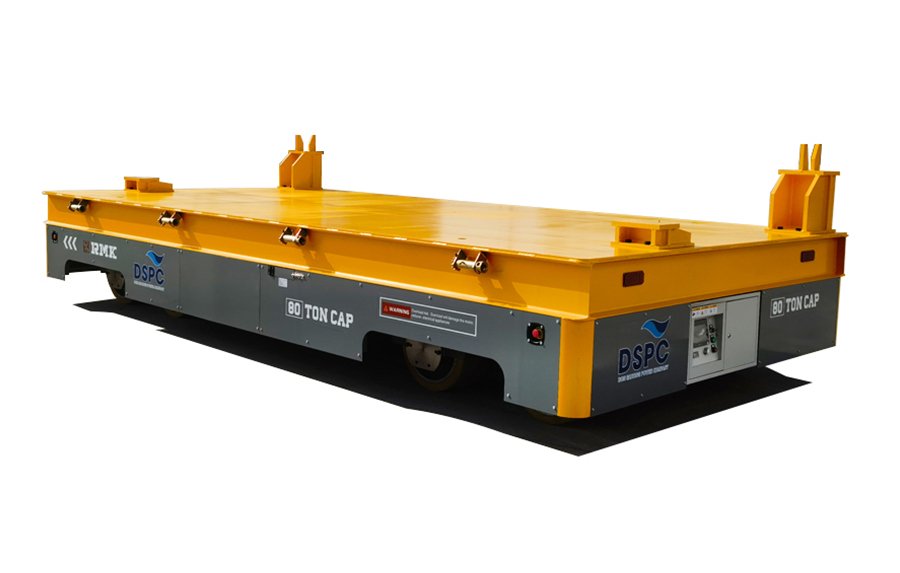
80-Ton Hydraulic Steering Rail Transfer Vehicle
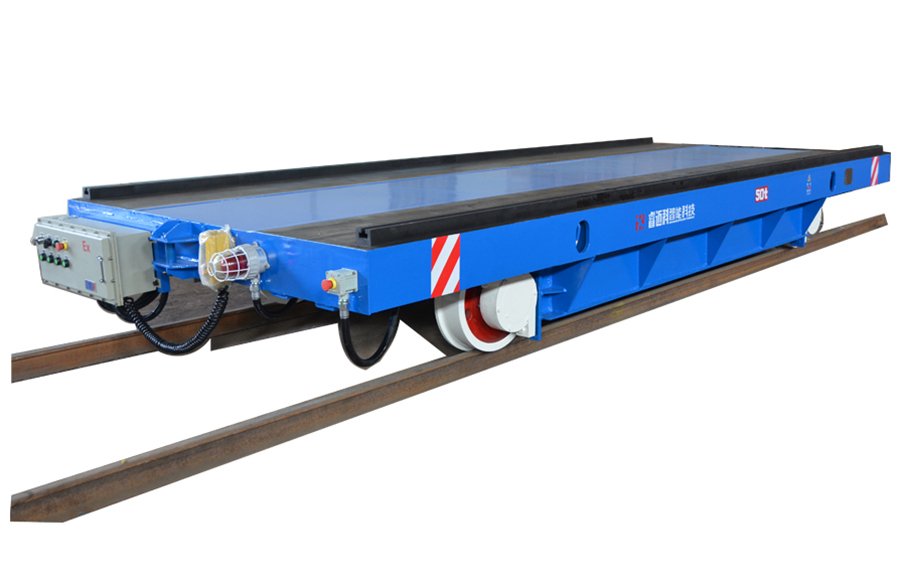
50-Ton Explosion-Proof Rail Transfer Vehicle
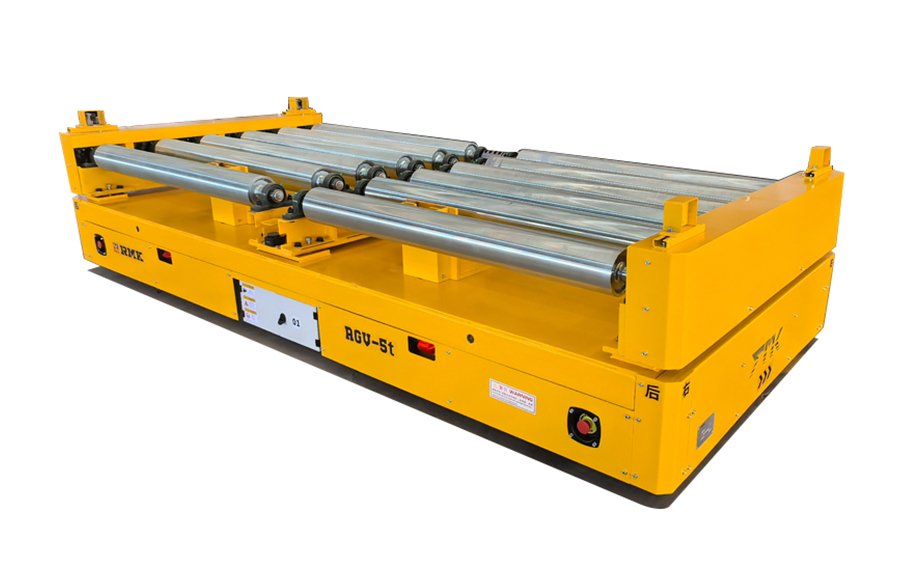
5-Ton Roller Conveyor AGV
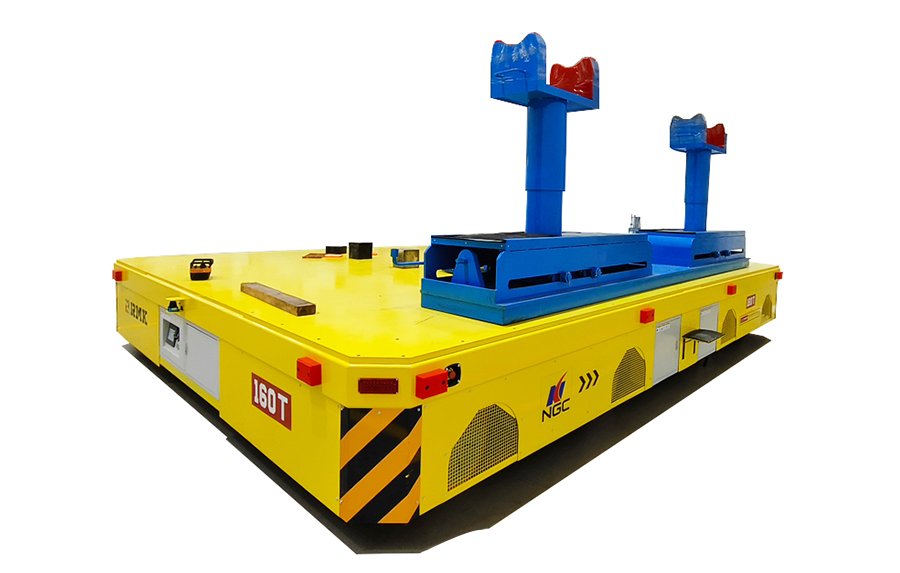
160-Ton Differential-Drive Omnidirectional AGV
How to Choose a Proper Transfer Cart
To select an electric transfer cart, you need to first confirm 5 core mandatory parameters, and then proceed to select additional functions and operating conditions.
Capacity
Safety factor: 1.25 times (125%) of rated load.It is recommended to reserve 15% load margin to prevent damage from long-term heavy loading. Common capacities: 1t(2204.62lbs)、5t(11023.1lbs)、10t(22046.2lbs)、20t(44092.4lbs)、30t(66138.6lbs)、50t(110231lbs)、80t(176369.6lbs)、100t(220462lbs), even up to 300t(661386lbs)
Trackless or rail
Trackless: Adaptable for cement, steel and epoxy floors. No rails required. Supports 360° turning, in-situ rotation and lateral movement with flexible traveling routes. Rail-type: Needs steel rail installation with fixed running path. Ideal for regular workshop cross transportation and straight/curved round trips. It features lower cost and larger load capacity.Travel distance
Short distance (≤20m): KPT cable towing type, KPJ cable reel Medium & long distance (20–200m): KPX battery rail vehicle Ultra-long distance (unlimited): KPD low-voltage rail, KPC sliding contact linePlatform size
Customizable dimensions: length, width and height. V-shaped frame, saddle base, lifting table and roller table are also available. Ground clearance: standard ≥50mm; heavy load of 60 tons and above ≥100mm. Standard body color: yellow and blue, other colors can be customized.Power Supply Type
Lithium battery / Lead-acid battery: Applied for trackless transfer carts and most rail transfer carts. No wiring required, flexible and convenient. KPD low-voltage rail power supply: No charging needed, 24-hour continuous operation, ideal for high-frequency assembly lines. Trailing cable / Cable drum power supply: The first choice for short-distance scenarios with low costTravel Steering Mode Select
Some carts only travel in a straight line with a large turning radius, while others can rotate in place, move sideways, or follow an S-shaped path.
If the steering mode does not match your workshop layout, you may encounter issues such as being unable to navigate narrow aisles, make turns, or avoid obstacles. In some cases, you may even need to modify your facility, which is both costly and inconvenient.
That is why it is essential to understand the steering capabilities of each type of cart before making your purchase.
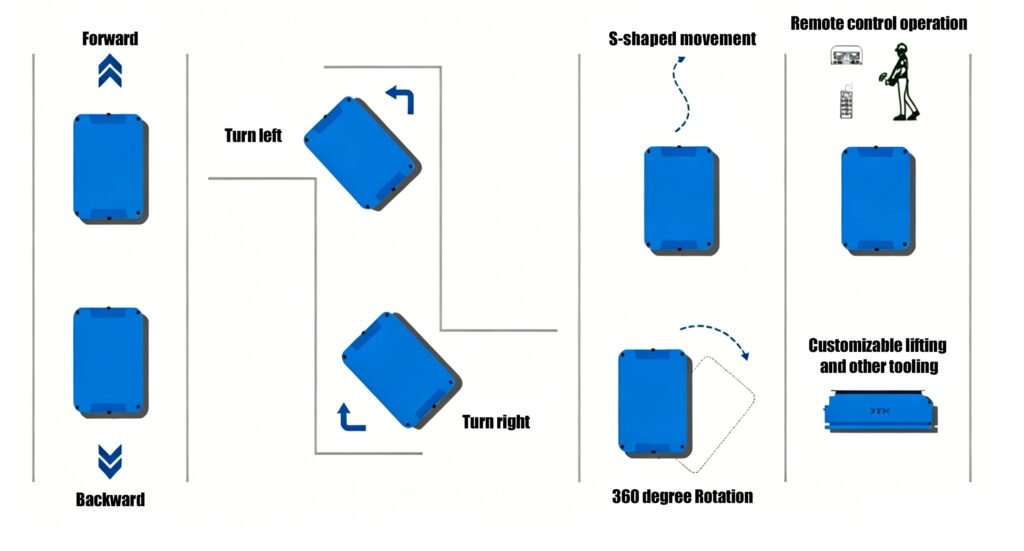
This differential steering trackless transfer cart is especially designed for factories with tight spaces and complex layouts, and it works perfectly for scenarios like these:
Narrow aisles & limited floor space
With 360° in-place rotation and ultra-small turning radius, it can easily navigate between machines, workstations and shelves. No need to modify your facility or reserve extra space for turning.
Multi-station material handling
Ideal for heavy parts moving between welding, machining, assembly and other processes. It can follow flexible paths, even S-shaped routes, to reach every station directly.
Dynamic or temporary workflows
Since it’s trackless, you can adjust routes anytime without installing rails. Perfect for changing production lines, temporary projects or warehouse logistics.
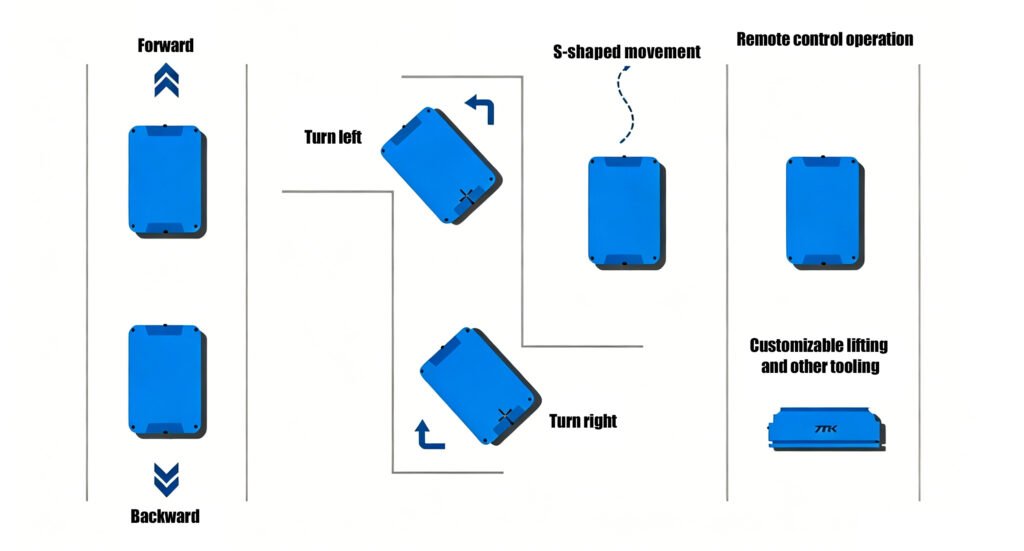
Our hydraulic steering trackless transfer cart is specially built for heavy-duty industrial use. It performs best in heavy machinery, automotive, mold, steel and shipbuilding factories, as well as old workshops and temporary projects. It delivers stable, powerful steering under full load, requires no rail installation or civil construction, and works reliably even on uneven ground for transporting large, heavy workpieces.
However, it is not recommended for sites with extremely narrow aisles (it has a larger turning radius and cannot rotate in place or move sideways). It is also less suitable for light-load operations under 5 tons, scenarios needing frequent S-shaped moves or fast direction changes, and work areas sensitive to noise and vibration.
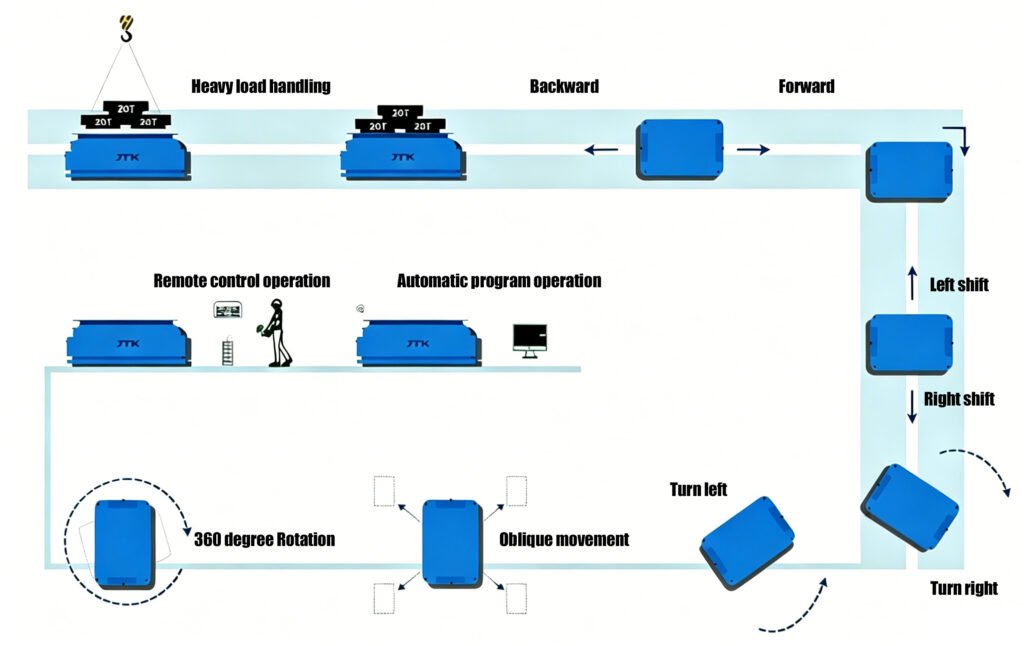
Omni-Directional Movement Transport Cart, the most flexible option for tight and busy workshops.
It can move in every direction: forward/backward, side shift, rotate 360° in place, and even move diagonally. This makes it perfect for:
Automotive, aerospace, and mold factories with narrow aisles
Automated warehouses and retrofitted plants where you can’t install rails
Workflows that need frequent direction changes or precise positioning
It’s not the best fit if you need to move extremely heavy loads (over 50 tons), drive at high speed over long distances, or work on very rough ground.
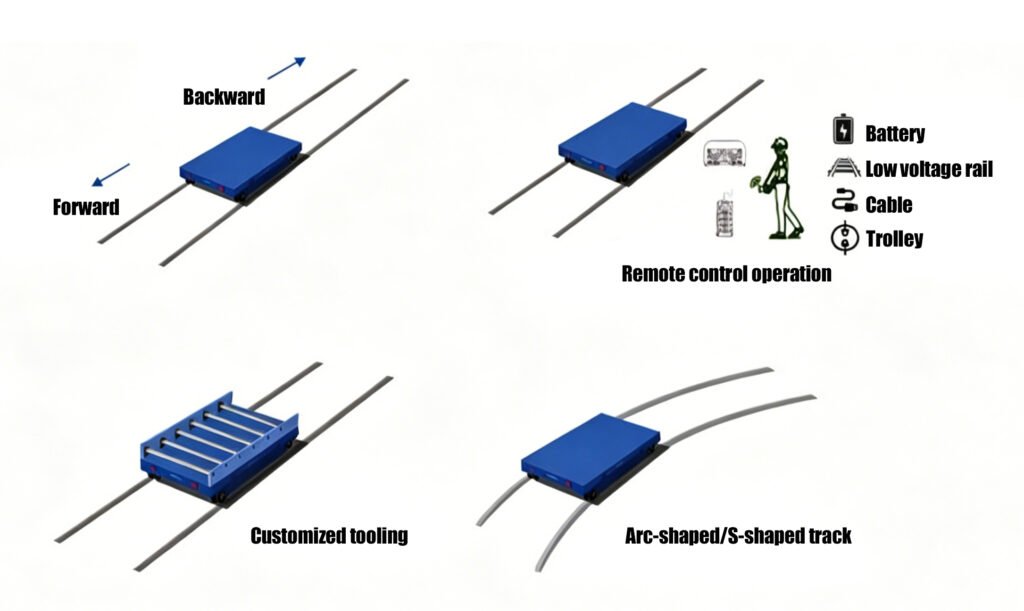
The core advantages of the Electric Rail Transfer Trolley lie in its heavy-load capacity, high operational stability, and low maintenance cost, with the key prerequisite that the material handling route is fixed. Therefore, it is ideal for the following application scenarios:
- Heavy Industry & Heavy Manufacturing
Such as steel coil transfer in steel mills, casting transportation in foundry workshops, and cross-shop handling of large molds in mold manufacturing plants. - Fixed-Route In-Plant Logistics
Such as workpiece transfer from welding shops to machining workshops, and material conveying on automated production lines. - Standardized Material Handling in Warehouses & Ports
- Customized Material Handling for Special Working Conditions
It can be customized into explosion-proof, high-temperature-resistant, or anti-corrosion versions, suitable for special industries such as coal mining, chemical processing, and aerospace & defense, to transport flammable and explosive materials, high-temperature workpieces, or precision defense components.
Unsuitable Industries & Application Scenarios
Industries with frequently changing routes and uncertain facility layouts
Space-constrained scenarios where rail installation is not feasible
Light-load, small-batch, multi-route material handling
Outdoor non-hardened ground or temporary worksites
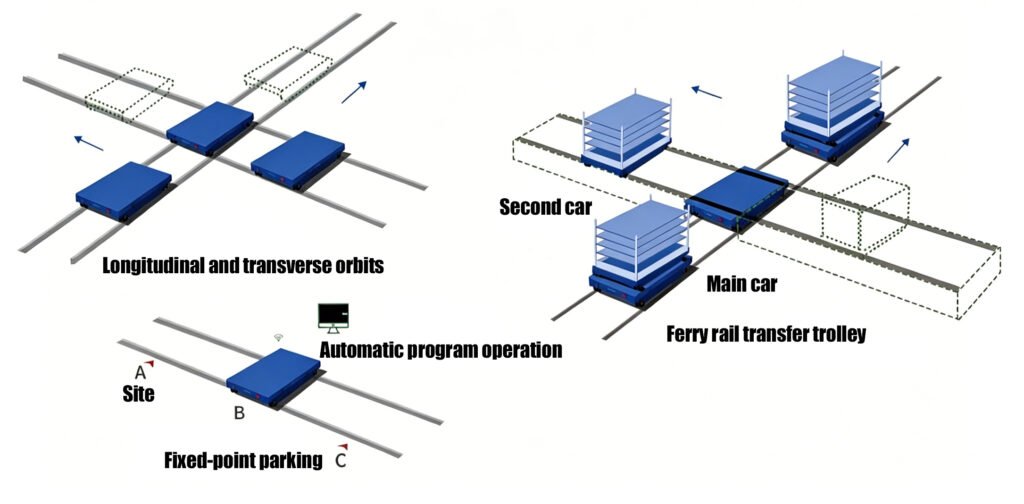
The core advantages of the Automated Rail Transfer Trolley (RGV) include full automation, high operational stability, superior repeat positioning accuracy, and compatibility with complex scheduling such as ferry cars (mother-child trolleys) and cross-track layouts. It is ideal for scenarios with fixed workflows and high automation requirements:
- Intelligent Warehousing & Automated Storage and Retrieval Systems (AS/RS):RGVs integrate seamlessly with racks, conveyors, and lifts to enable fully automated inbound/outbound handling and replenishment of pallets and totes, serving as a standard core component for automated warehouses.
- Automotive Manufacturing & Final Assembly Lines: In welding, painting, and final assembly workshops of automobile OEMs, RGVs are used to transport heavy workpieces such as car bodies, chassis, and engines between stations. They support mixed-model production with stable cycle times and low failure rates.
- 3C Electronics & Semiconductor Industries: For handling precision materials (wafers, PCBs, electronic components) in cleanrooms, RGVs offer ±1mm repeat positioning accuracy and can be customized with anti-static, dust-proof, and cleanroom-compliant configurations to meet strict hygiene requirements.
- Machining & Flexible Production Lines: They enable automated workpiece transfer between multiple machining stations and integrate with MES systems for fully automated process flow. Ideal for high-volume production with fixed routes, such as machine tool loading/unloading and automated material handling in mold shops.
- Food, Pharmaceutical & Chemical Industries: For hygiene and safety-critical environments, stainless steel, explosion-proof, and corrosion-resistant versions are available. They enable automated transfer of raw materials and finished goods, eliminating contamination risks from manual handling.
Unsuitable Industries & Scenarios
- Highly flexible, high-mix, low-volume production environments with frequently changing routes
- Old factories with limited space where rail installation is not feasible
- Light-load, low-cycle-rate applications with budget constraints
- Outdoor non-hardened ground and multi-floor cross-scenario transportation
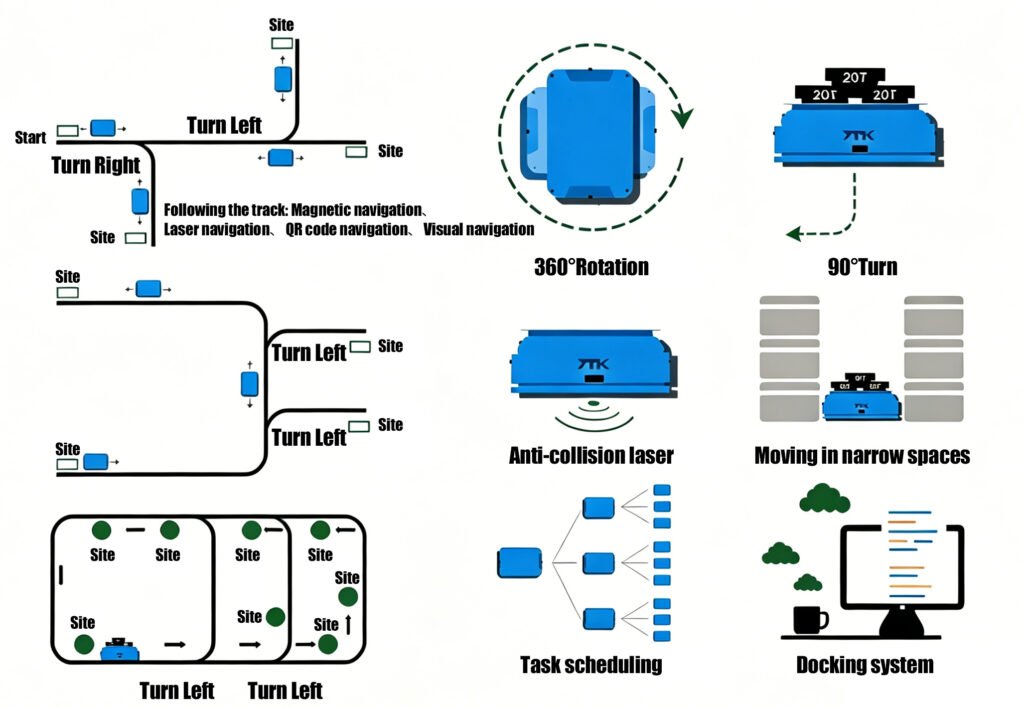
The core advantages of the AGV Self-Propelled Electric Transfer Cart include trackless navigation, high flexibility, full automation, and compatibility with complex scheduling, making it especially suitable for flexible, multi-station, and space-constrained scenarios:
- Flexible Manufacturing & High-Mix Low-Volume Production Lines: Ideal for industries such as automotive components, 3C electronics, and machinery manufacturing, where production routes are frequently adjusted. AGVs can quickly switch paths to support mixed-model production, addressing the flexibility needs that traditional rail-guided equipment cannot meet. Typical applications: Workpiece transfer between multiple machine tools in machining workshops, automatic material delivery to assembly lines, and flexible material handling in mold shops.
- Intelligent Warehousing & E-commerce / Pharmaceutical Cold Chain Logistics: It seamlessly integrates with automated storage and retrieval systems (AS/RS), conveyors, and sorting lines to enable fully automated inbound/outbound handling and replenishment of pallets and totes. Especially suitable for e-commerce with fluctuating order peaks and pharmaceutical cold chains with strict environmental and path requirements, supporting 24/7 unmanned operations.
- Space-Constrained Scenarios: Old Factories / Cleanrooms Where Rail Installation Is Not Feasible: Perfect for retrofitted old factories, cleanrooms (e.g., in electronics, pharmaceuticals, and food industries), and sites with complex underground pipelines where trenching for rails is not possible. The AGV’s trackless navigation (laser / QR code / visual) adapts perfectly. Anti-static, dust-proof, and cleanroom-compliant versions are available to meet strict hygiene requirements.
- Material Handling for Heavy-Duty / Special Working Conditions: Suitable for scenarios such as foundries, steel mills, and construction machinery plants to transport heavy workpieces, high-temperature castings, and steel coils. Customizable explosion-proof, high-temperature-resistant, and anti-corrosion versions are available to meet safety and operational requirements for special industries like coal mining, chemicals, and aerospace & defense.
- Complex Scheduling & Multi-Station Coordination Scenarios: Multiple AGVs can perform path planning, traffic control, and task allocation via a scheduling system, suitable for multi-station coordinated material handling in large factories and logistics parks. They support efficient operation at intersections, narrow aisles, and complex routes.
The AGV’s main limitations include high upfront costs, requirements for floor conditions/environment, and generally lower heavy-load capacity compared to rail-guided transfer trolleys. These disadvantages are amplified in the following scenarios:
- Ultra-heavy-load, high-cycle-rate applications with fixed routes
- Outdoor non-hardened / uneven ground environments
- Scenarios with strong electromagnetic interference / harsh operating conditions
- Low-budget, low-automation-demand applications