
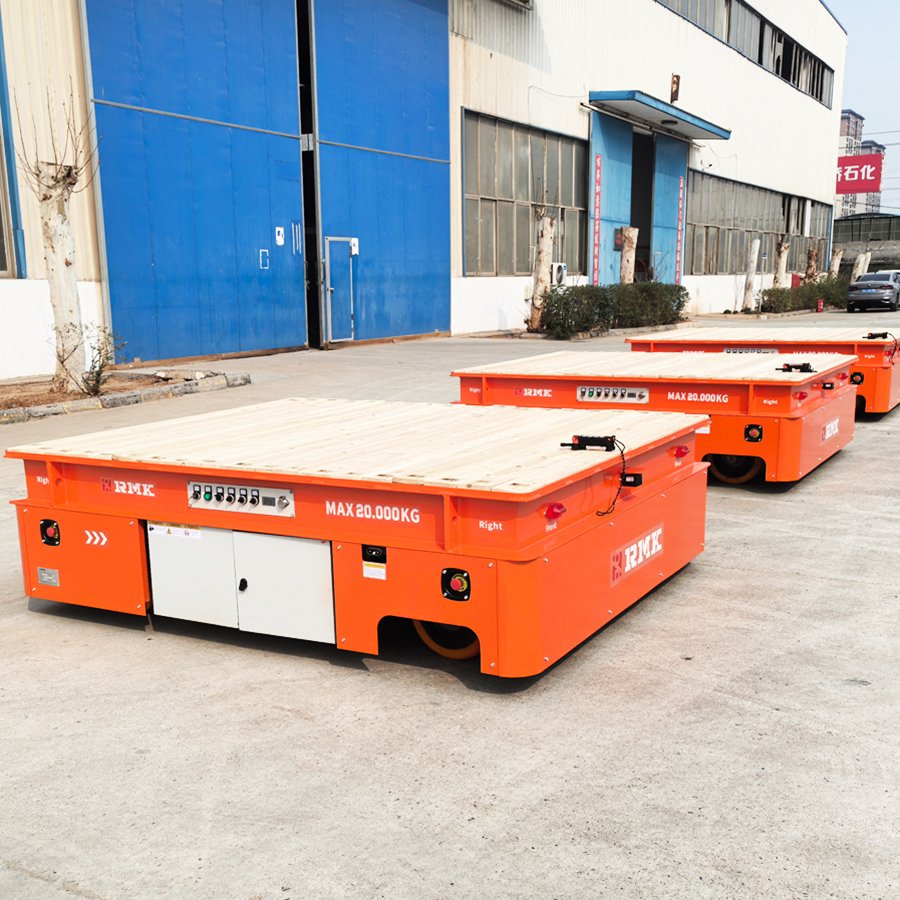
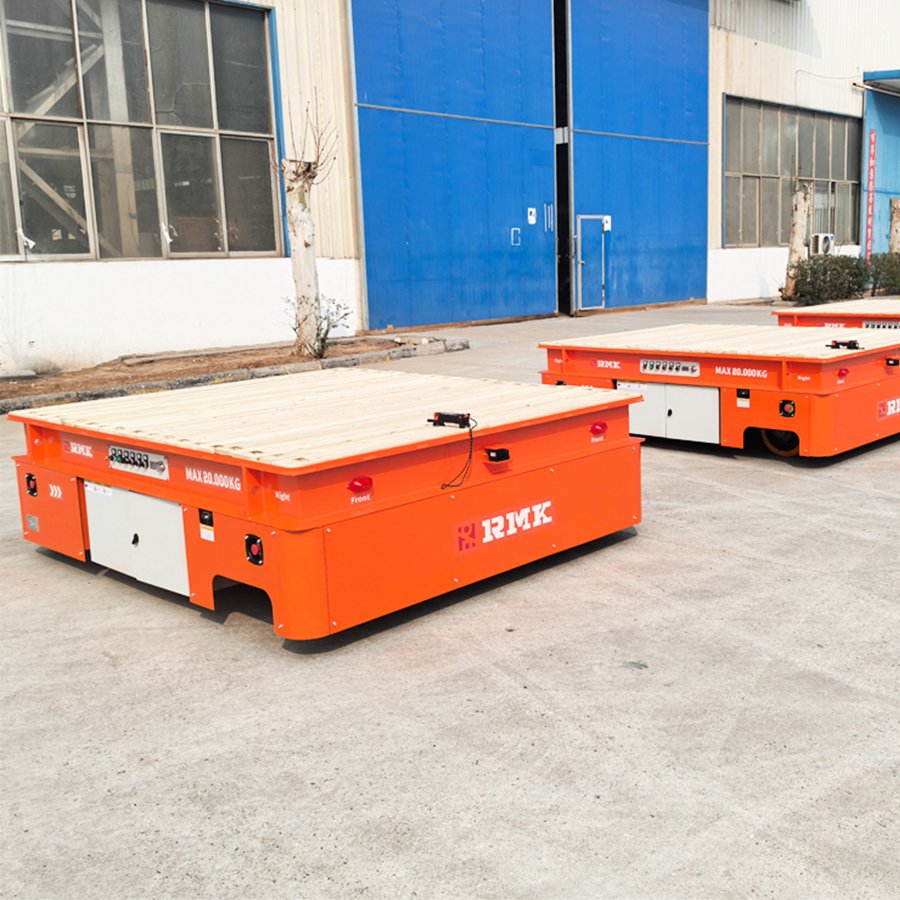
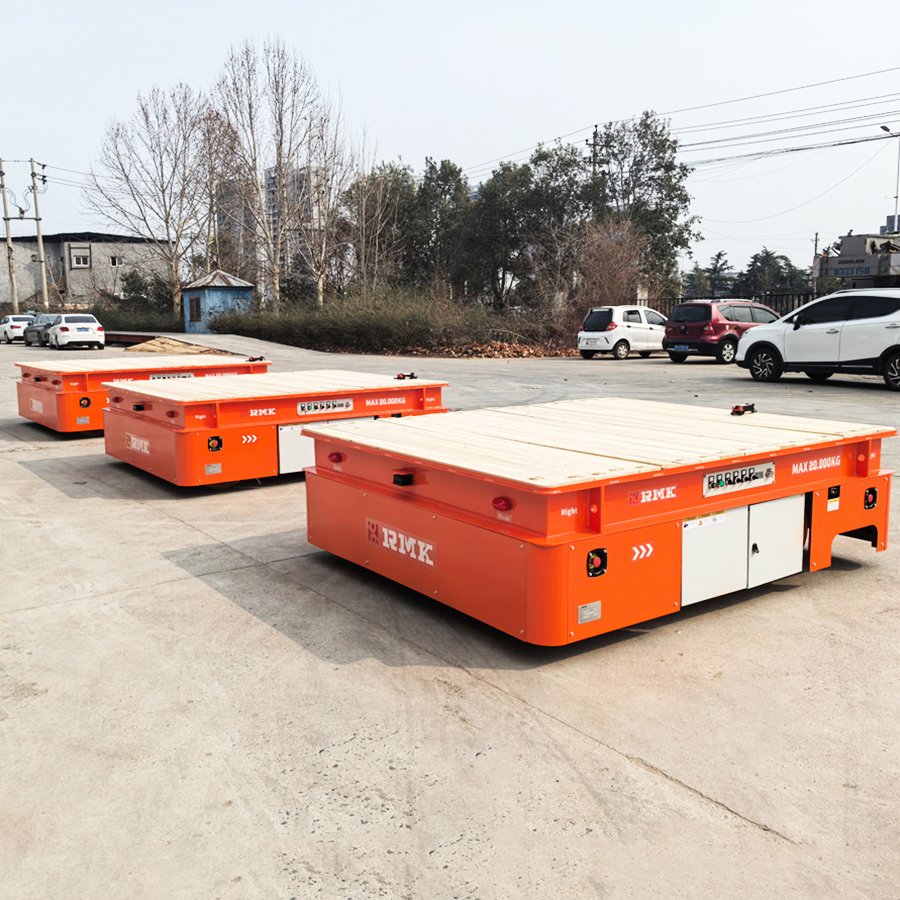
Differential Steering Trackless Transfer Cart — 20-Ton Differential Steering Transfer Cart – Netherlands
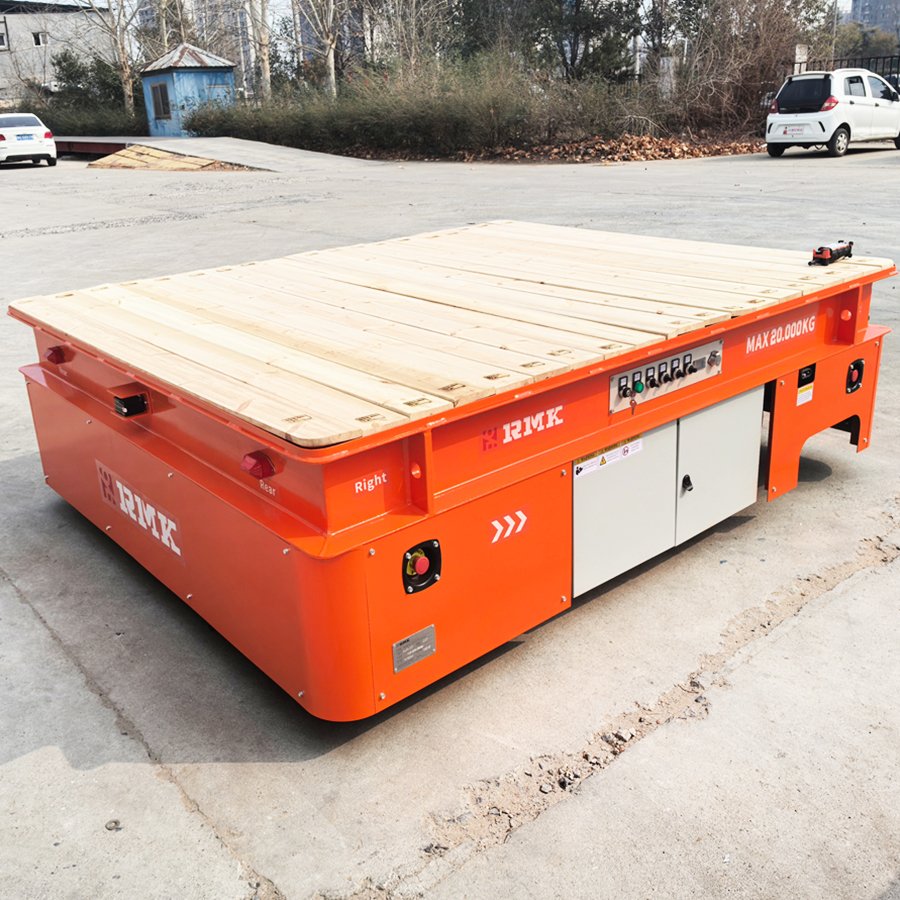
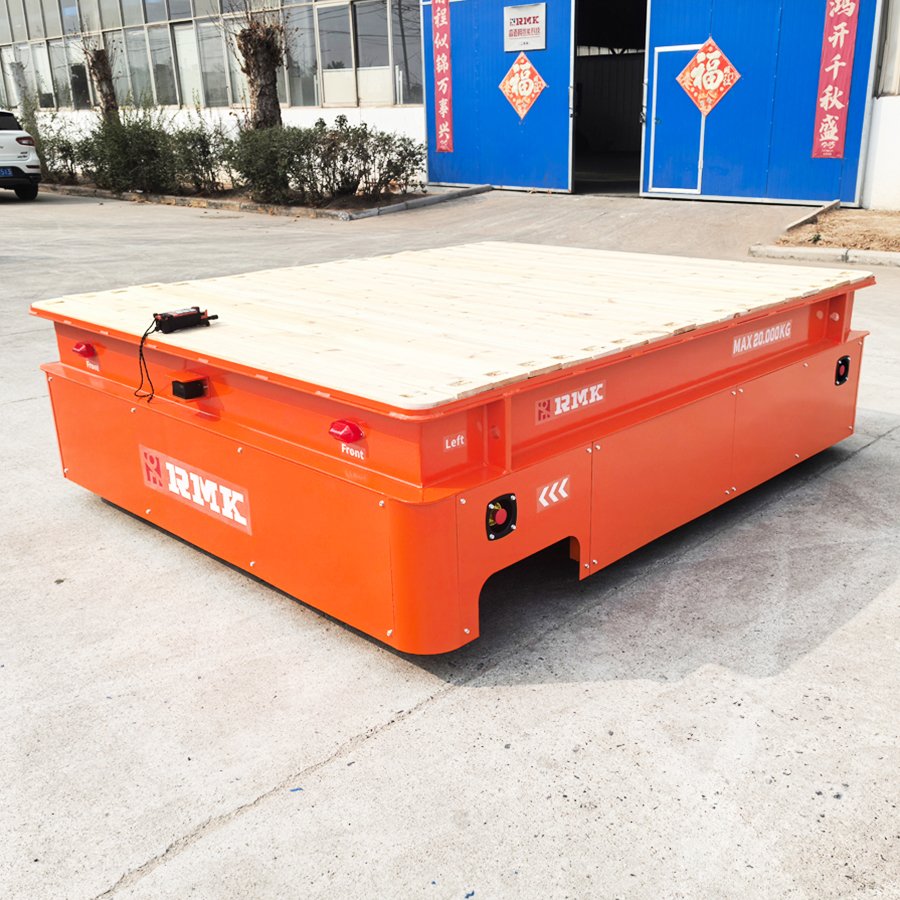
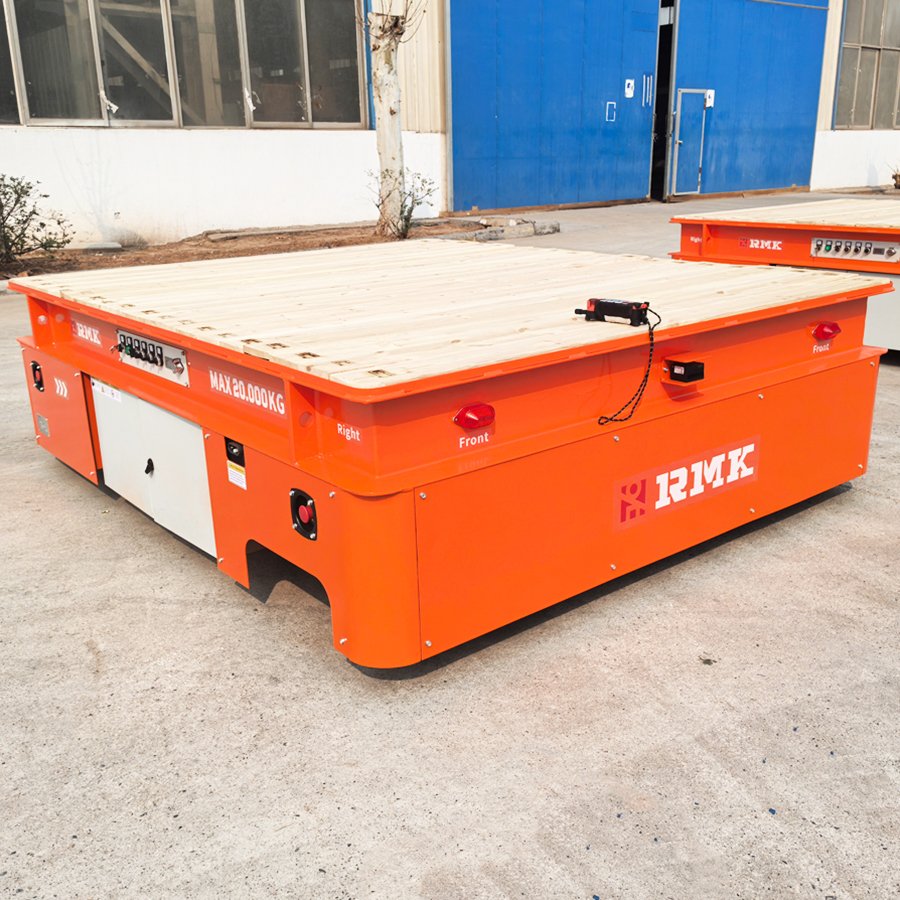
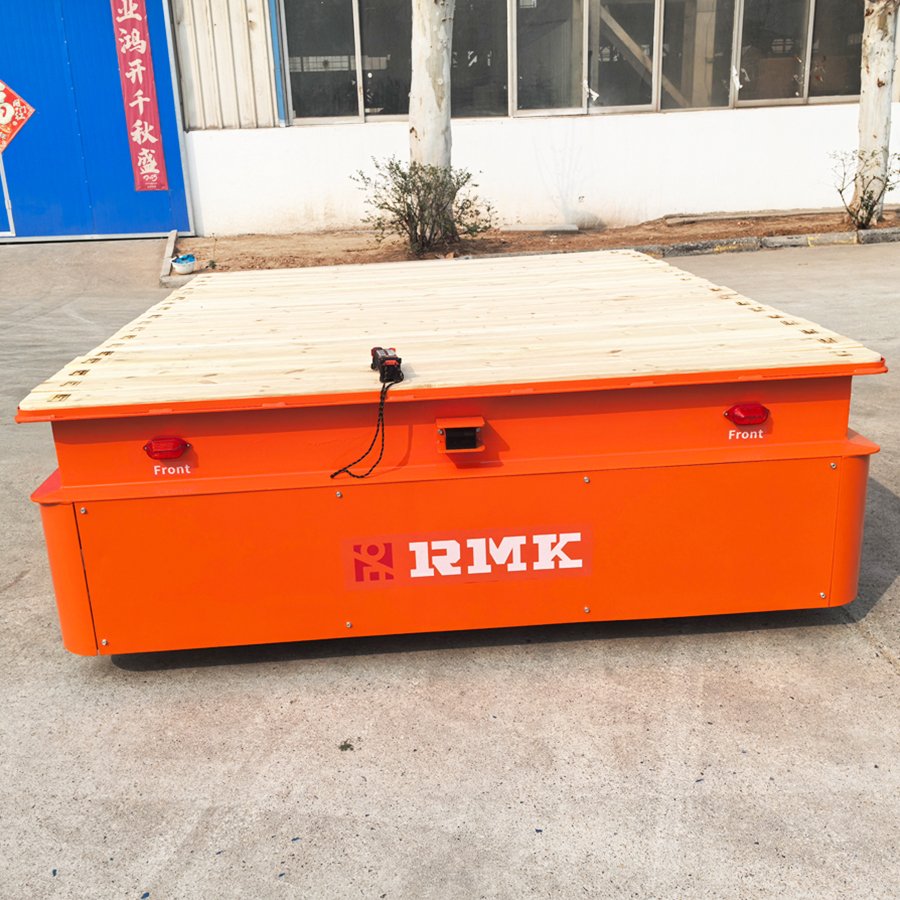
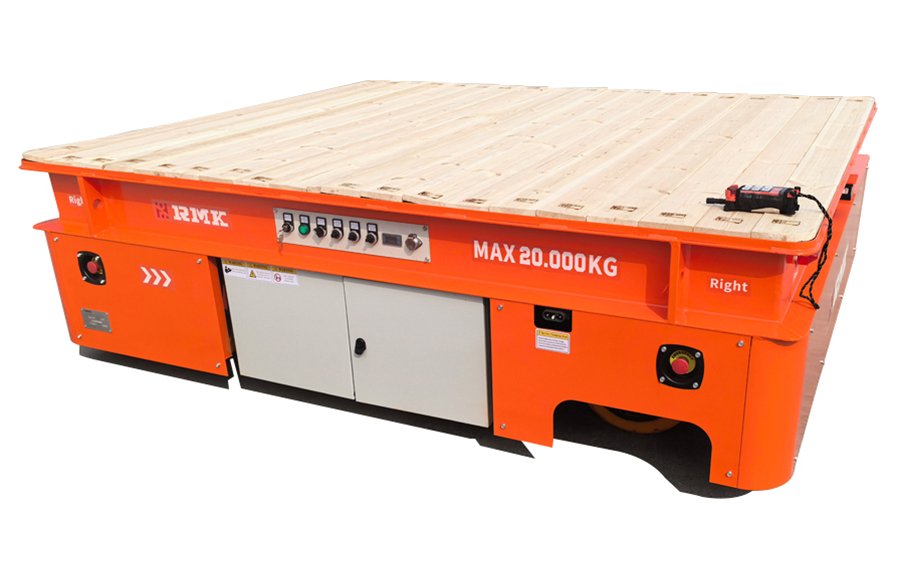
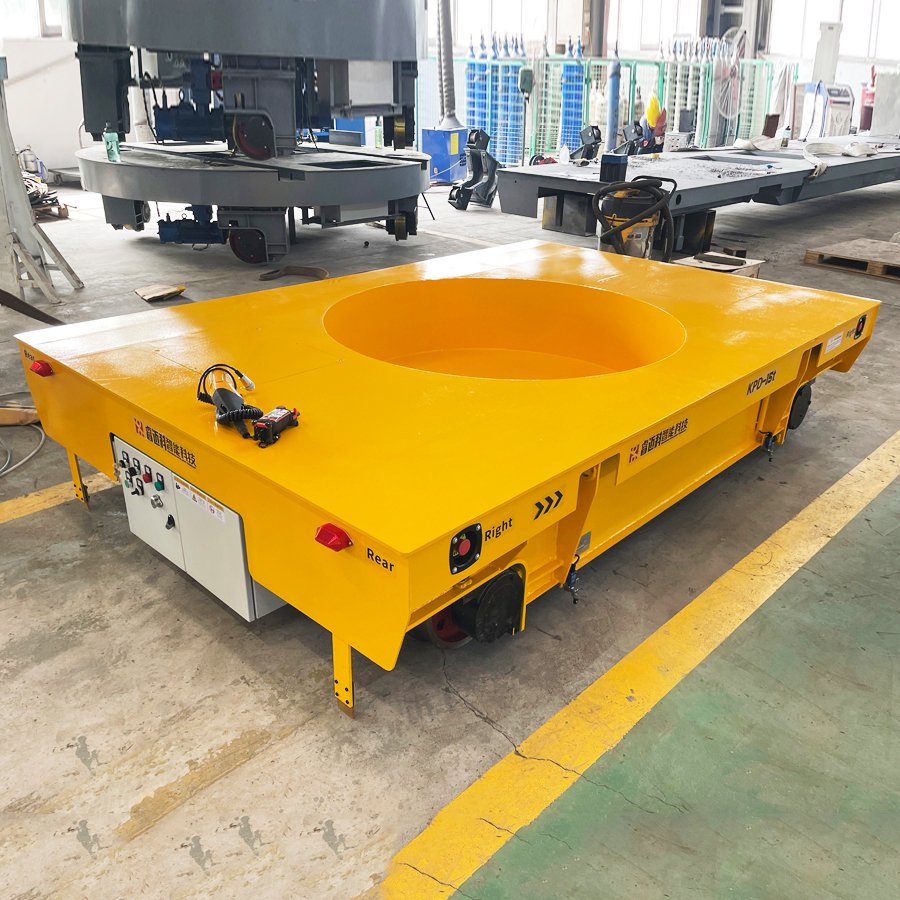
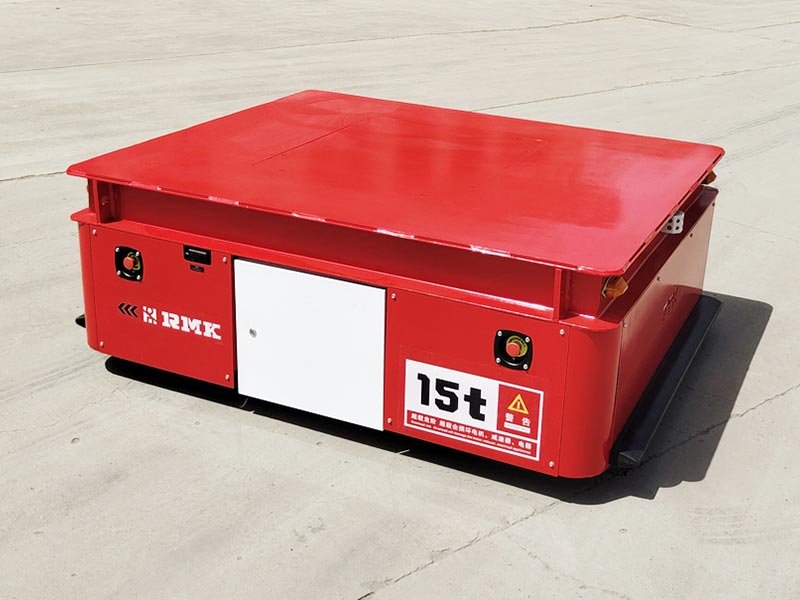
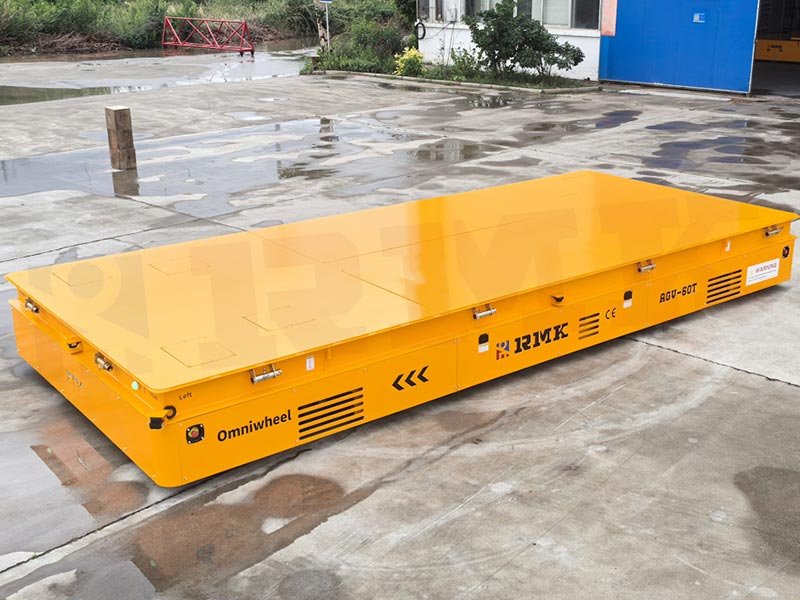
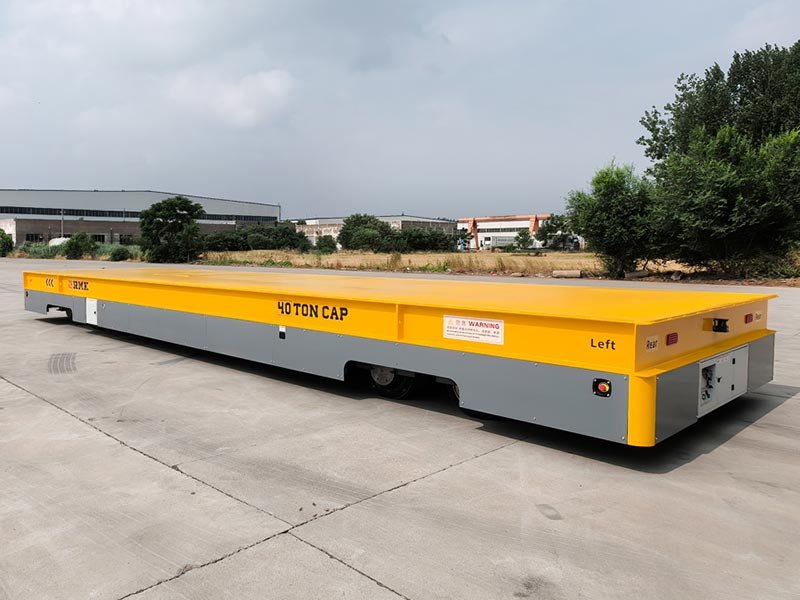
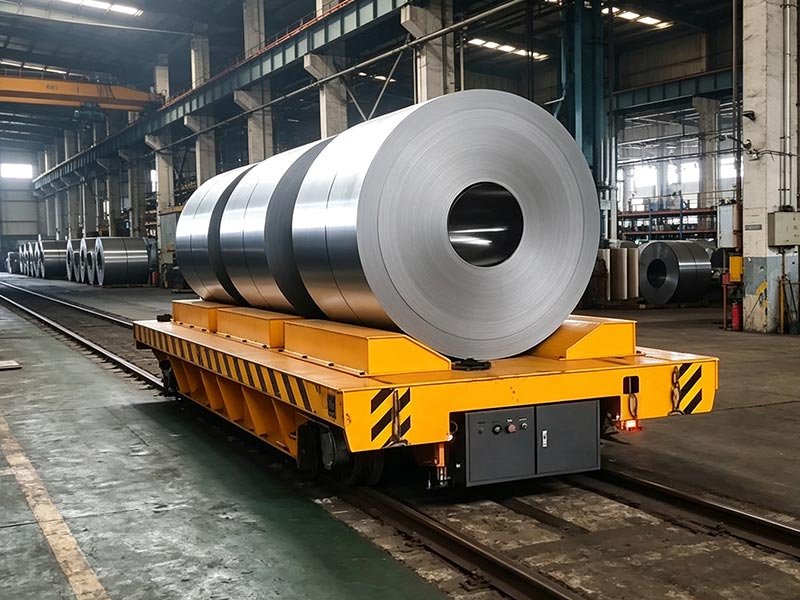
The Differential Steering Trackless Transfer Cart is heavy-duty electric equipment based on differential steering technology. It steers by controlling left-right wheel speed difference, eliminating steering wheels, axles, or tie rods — boasting a simple, reliable design.
With trackless design, it has heavy-duty steel body and industrial drive system, offering stable steering, high load capacity, low failure rate, easy maintenance. Widely used in factories, warehouses, heavy industry, prefabricated components, transformer production, shipbuilding, it suits efficient transfer of 1–500-ton materials.
| Load Capacity |
20 Tons(44092 lbs). |
| Power type |
Battery powered. |
| Application |
Heavy industrial workpieces, large molds, steel structures, transformers, prefabricated components, steel billets, large castings, etc. |
| Add-on |
Anti-slip wooden load-bearing platform. |
Differential Steering Trackless Transfer Cart — 20-Ton Differential Steering Transfer Cart – Netherlands
The Differential Steering Trackless Transfer Cart is heavy-duty electric equipment based on differential steering technology. It steers by controlling left-right wheel speed difference, eliminating steering wheels, axles, or tie rods — boasting a simple, reliable design.
With trackless design, it has heavy-duty steel body and industrial drive system, offering stable steering, high load capacity, low failure rate, easy maintenance. Widely used in factories, warehouses, heavy industry, prefabricated components, transformer production, shipbuilding, it suits efficient transfer of 1–500-ton materials.
| Load Capacity |
20 Tons(44092 lbs). |
| Power type |
Battery powered. |
| Application |
Heavy industrial workpieces, large molds, steel structures, transformers, prefabricated components, steel billets, large castings, etc. |
| Add-on |
Anti-slip wooden load-bearing platform. |
Working Principle

The steering core of the Differential Steering Trackless Transfer Cart relies on independent speed and rotation direction control of the left and right drive wheels. A wheel speed differential generates steering torque to achieve vehicle steering.
During operation, the control system adjusts the drive wheels according to operating commands: one side accelerates while the other decelerates or rotates in reverse. The difference in rotational speed between the two sides turns the vehicle body.
This configuration eliminates conventional steering components such as steering axles, tie rods and hydraulic steering gears. Featuring a simple, robust structure, the cart requires minimal maintenance and offers seamless compatibility with automatic controls and intelligent dispatching systems.
Capable of moving forward and backward, performing regular turns, travelling along curved paths and negotiating S-shaped routes, the cart is equipped with a heavy-duty frame and industrial-grade drive system. It ensures stable transportation of heavy loads and delivers prominent advantages including low failure rates, smooth operation and wide application adaptability.
Working Principle
The steering core of the Differential Steering Trackless Transfer Cart relies on independent speed and rotation direction control of the left and right drive wheels. A wheel speed differential generates steering torque to achieve vehicle steering.
During operation, the control system adjusts the drive wheels according to operating commands: one side accelerates while the other decelerates or rotates in reverse. The difference in rotational speed between the two sides turns the vehicle body.
This configuration eliminates conventional steering components such as steering axles, tie rods and hydraulic steering gears. Featuring a simple, robust structure, the cart requires minimal maintenance and offers seamless compatibility with automatic controls and intelligent dispatching systems.
Capable of moving forward and backward, performing regular turns, travelling along curved paths and negotiating S-shaped routes, the cart is equipped with a heavy-duty frame and industrial-grade drive system. It ensures stable transportation of heavy loads and delivers prominent advantages including low failure rates, smooth operation and wide application adaptability.
Suitable Working Conditions for Differential Steering Trackless Transfer Cart
Differential steering enables vehicle turning by creating a speed difference between the independently driven left and right wheels. No additional steering casters are required. Boasting a compact structure, the cart supports in-place rotation.
01——
Narrow transfer aisles inside workshops or factory yards with densely distributed material handling stations. Frequent U-turns and direction changes are required, and sufficient space for a large turning radius is unavailable.
02——
Operations mainly rely on wireless manual remote control. Moderate positioning accuracy is required for reliable workstation docking, without special demands for side shifting or advanced high-precision automatic docking functions.
03——
The project pursues a cost-effective solution to reduce equipment procurement costs and long-term maintenance workloads. It cuts down vulnerable components such as steering caster assemblies and steering reducers.
04——
Rated load covers medium and light loads from 5 t to 80 t. Typical applications include cross-process transfer of moulds, workpieces, profiles and workshop semi-finished products.
05——
Transfer routes are primarily straight shuttle runs and right-angle turns, with no need for complex fully automatic navigation paths featuring multiple turning points.
06——
Limited installation space and low chassis height requirements must be met. The differential drive layout greatly facilitates the professional design of low-platform vehicle bodies.
Basic Operating Conditions for Differential Steering Trackless Transfer Cart
The operating performance of differential steering vehicles is highly dependent on ground conditions. The following basic requirements shall all be met to ensure stable equipment operation.
Ground Conditions
Travel areas must be hardened and level, free of pits, gravel and raised joints. Ground friction shall suffice for travel. Oily or wet surface operation is prohibited. In-place turning accelerates tyre wear; minimise stationary rotation.
Gradient Limitations
The road gradient for fully loaded travel shall not exceed 3%, and the maximum climbing gradient for unloaded operation shall be no more than 5%. In-place turning, transverse travel and parking on slopes are forbidden.
Aisle Clearance
The minimum aisle width shall provide adequate safety clearance beyond the overall vehicle width and sufficient space for differential rotation, preventing potential collisions with walls, tooling and racks during normal vehicle rotation.
Load Requirements
Workpieces shall be centrally and evenly loaded. Eccentric loading and overloading are prohibited. Eccentric loads increase steering resistance and may cause slip on one side of the wheels.
Environmental Conditions
Standard models: -10 ℃ to +40 ℃, humidity ≤ 85%, no condensation. Explosion-proof and anti-corrosion units for corrosive, high-temperature, hazardous environments.
Operation Guidelines
In-place turning shall be performed at a low speed. Sharp turning at high speed is strictly forbidden to effectively reduce abrasion to tyres and ground surfaces caused by sliding friction.
Differential Steering vs Hydraulic Steering
| Comparison Items | Differential Steering System | Hydraulic Steering System |
| Steering Principle | Steering relies on speed differential of dual drive wheels without dedicated steering components. | Steering is realized through wheel deflection with hydraulic assistance and steering axles. |
| Applicable Models | For light & medium-duty trackless transfer carts. | Designed for medium, heavy and extra-heavy duty trackless transfer carts. |
| Steering Capability | Small turning radius with excellent maneuverability. | Requires a relatively large turning radius; sufficient turning clearance must be reserved. |
| Load Capacity | Suitable for standard loads. | Ideal for heavy and extra-heavy loads, delivering stronger and more stable load-bearing performance. |
| Structure & Maintenance | Simple structure, low failure rate and low maintenance cost. | Relatively complex structure. It has strict requirements for seals and hydraulic oil, leading to moderately higher maintenance costs. |
| Control Accuracy | Sensitive steering and precise positioning, convenient for automation integration. | Offers smooth steering, effortless operation and high precision, with reliable stability on uneven surfaces. |
| Site Adaptability | Perfect for narrow areas, compact workshops and automated production lines. | Suitable for flat or moderately uneven ground, long-distance transportation and heavy-duty working conditions. |
| Tyre Wear | Results in slightly higher tyre abrasion. | Wheels steer in pure rolling motion with minimal wear and extended service life. |
| Applicable Scenarios | Application: flexible steering, tight turning and automated transport. | Preferred for heavy material handling, large-tonnage transport and applications prioritizing operational stability. |
Core Features
Steering Achieved via Wheel Speed Differential
The cart realizes steering by independently regulating the rotational speed of the left and right drive wheels. Turning and curved travel are completed utilizing the speed difference between the two drive sides, delivering stable and reliable steering performance.
Suitable for Confined Spaces
Differential steering does not require angular wheel deflection. The cart operates smoothly in workshops with narrow aisles and dense workstations and strong site adaptability. It is well-suited for heavy-load transport within space-restricted areas.
High Maneuverability
Steering response remains smooth at low travel speeds. Maneuvering, U-turns and positioning within limited space become much easier, greatly improving workshop space utilization and transfer efficiency.
Low Maintenance Costs
Complex mechanical steering assemblies are eliminated, yielding fewer wear-prone components. The cart has less wear and fewer faults in long operation with simple routine maintenance, lowering operational and maintenance costs.
Core Application Fields of Differential Steering Trackless Transfer Cart

Mould Manufacturing Industry
Mould workshops feature narrow aisles and dense workstations, requiring frequent direction changes and U-turns during mould transport. With zero-radius in-place turning, the differential steering cart adapts to compact layouts. It handles transfers of injection, stamping and die-casting moulds between zones, workstations and warehouses.

Machining & Equipment Industry
The cart is used for cross-process transportation of large castings, forgings, tooling fixtures and semi-finished workpieces. No rails are required, delivering great site flexibility. Its outstanding steering performance copes with right-angle turns and complex movements among dense workstations, improving material circulation efficiency within workshops.

Steel Structure & Sheet Metal Industry
Workshop machinery is closely arranged, and steel components and sheet metal profiles are often heavy loads. Boasting a stable chassis and highly flexible steering, the cart travels smoothly through narrow aisles to complete reliable short-distance handling and precise workstation docking of various profiles and welded assemblies.

Automotive Component Manufacturing Industry
Automotive component production lines involve intensive material transfer and demand high equipment maneuverability. Featuring easy operation and rapid direction switching, the cart suits line connection, inter-process transfer and warehouse handling of stamping parts, chassis components and interior parts.

Pressure Vessel & General Equipment Manufacturing Industry
Workpieces such as tanks, flanges and heat exchangers move between assembly, flaw detection, painting and pressure testing areas. Trackless with flexible steering, the cart navigates complex factory routes with turns while maintaining stable operation and simple maintenance.

Wind Power Component Manufacturing Industry
Wind power castings, nacelle accessories and other materials have numerous transfer points and limited passage space inside workshops. The cart enables flexible U-turns and precise workstation docking to meet high-frequency short-distance transportation within the factory, delivering remarkable overall cost-effectiveness.
Core Application Fields of Differential Steering Trackless Transfer Cart
Mould Manufacturing Industry
Mould workshops feature narrow aisles and dense workstations, requiring frequent direction changes and tight U-turns during mould transport. With reliable zero-radius in-place turning, the differential steering cart adapts to compact workshop layouts. It handles regular transfers of injection, stamping and die-casting moulds between zones, workstations and warehouses.
Machining & Equipment Industry
The cart is used for cross-process transportation of large castings, forgings, tooling fixtures and semi-finished workpieces. No rails are required, delivering great site flexibility. Its outstanding steering performance copes with right-angle turns and complex movements among dense workstations, improving material circulation efficiency within workshops.
Steel Structure & Sheet Metal Industry
Workshop machinery is closely arranged, and steel components and sheet metal profiles are often heavy loads. Boasting a stable chassis and highly flexible steering, the cart travels smoothly through narrow aisles to complete reliable short-distance handling and precise workstation docking of various profiles and welded assemblies.
Automotive Component Manufacturing Industry
Automotive component production lines involve intensive material transfer and demand high equipment maneuverability. Featuring easy operation and rapid direction switching, the cart suits line connection, inter-process transfer and warehouse handling of stamping parts, chassis components and interior parts.
Pressure Vessel & General Equipment Manufacturing Industry
Workpieces such as tanks, flanges and heat exchangers move between assembly, flaw detection, painting and pressure testing areas. Trackless with flexible steering, the cart navigates complex factory routes with turns while maintaining stable operation and simple maintenance.
Wind Power Component Manufacturing Industry
Wind power castings, nacelle accessories and other materials have numerous transfer points and limited passage space inside workshops. The cart enables flexible U-turns and precise workstation docking to meet high-frequency short-distance transportation within the factory, delivering remarkable overall cost-effectiveness.
FAQ
Related Products
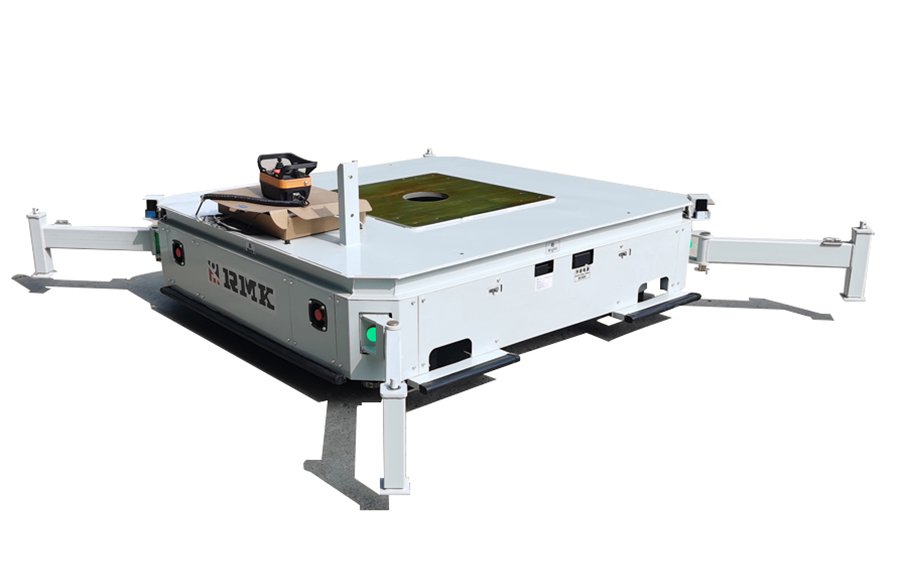
Mecanum wheel transfer cart
Mecanum wheel transfer cart is equipped with a dedicated Mecanum wheel travel system. Adopting an omnidirectional wheel set structure, it…Differential Steering Trackless Transfer Cart
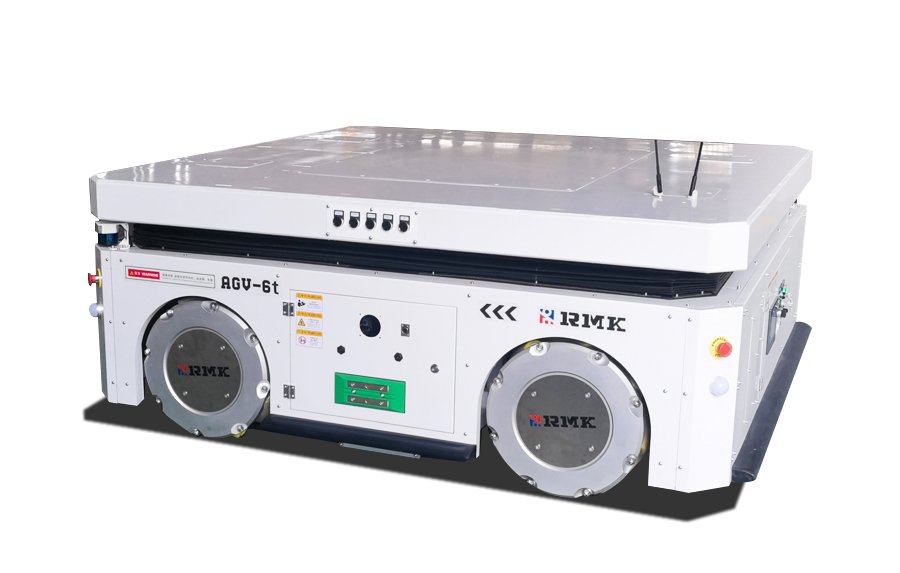
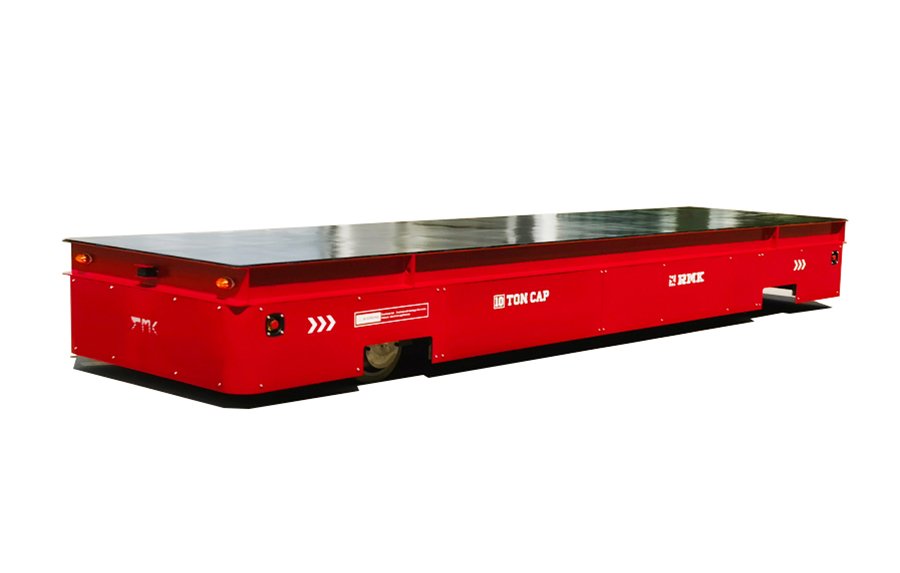
Differential Steering Trackless Transfer Cart features flexible steering via differential drive, operates tracklessly without path constraints, and efficiently handles heavy-duty…
Related Products
Mecanum wheel transfer cart
Mecanum wheel transfer cart is equipped with a dedicated Mecanum wheel travel system. Adopting an omnidirectional wheel set structure, it realizes lateral movement, diagonal travel and in-situ rotation, enabling…Differential Steering Trackless Transfer Cart
Differential Steering Trackless Transfer Cart features flexible steering via differential drive, operates tracklessly without path constraints, and efficiently handles heavy-duty material transport.
Hot blog
Applications and Solutions for Industrial Material Transfer Carts in Bulk Material Handling
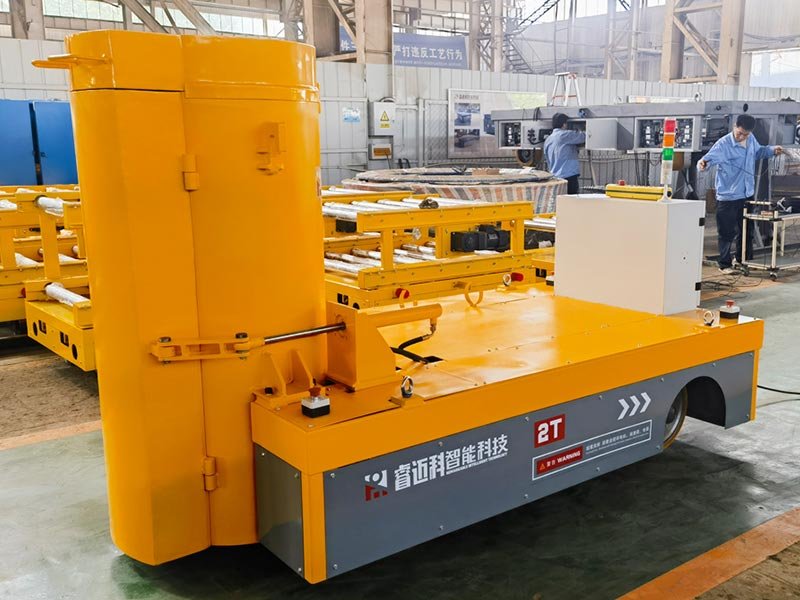
In modern industrial production, efficient material handling plays an important role in maintaining production flow, improving operational efficiency,…How to Choose a Ladle Transfer Cart for Steel Plants?
A ladle transfer cart is a specialized heavy-duty material handling vehicle used in metallurgical, steelmaking, and foundry production…
Hot blog
Applications and Solutions for Industrial Material Transfer Carts in Bulk Material Handling
In modern industrial production, efficient material handling plays an important role in maintaining production flow, improving operational efficiency,…How to Choose a Ladle Transfer Cart for Steel Plants?
A ladle transfer cart is a specialized heavy-duty material handling vehicle used in metallurgical, steelmaking, and foundry production…