
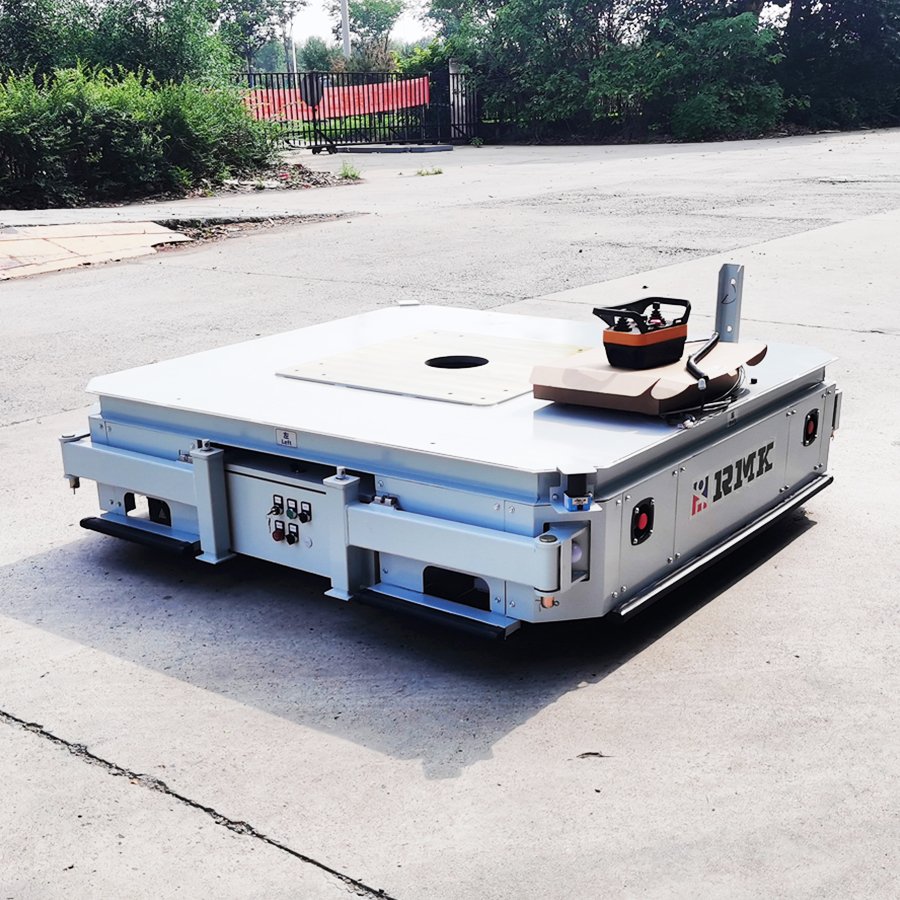
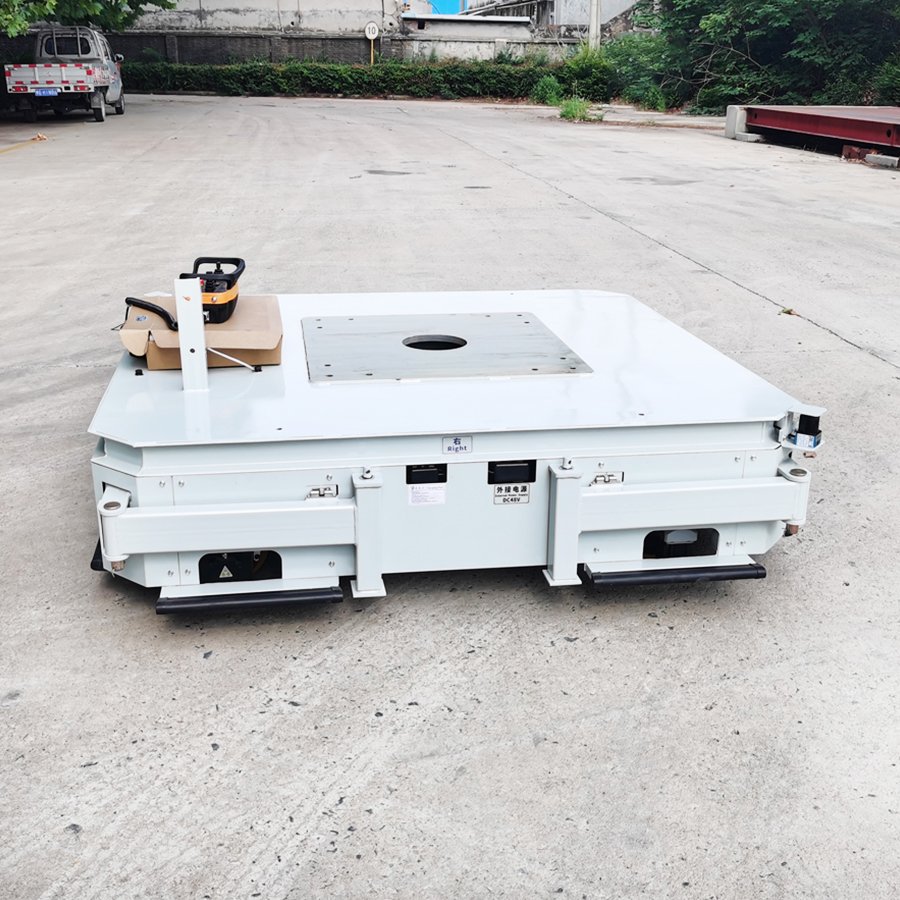
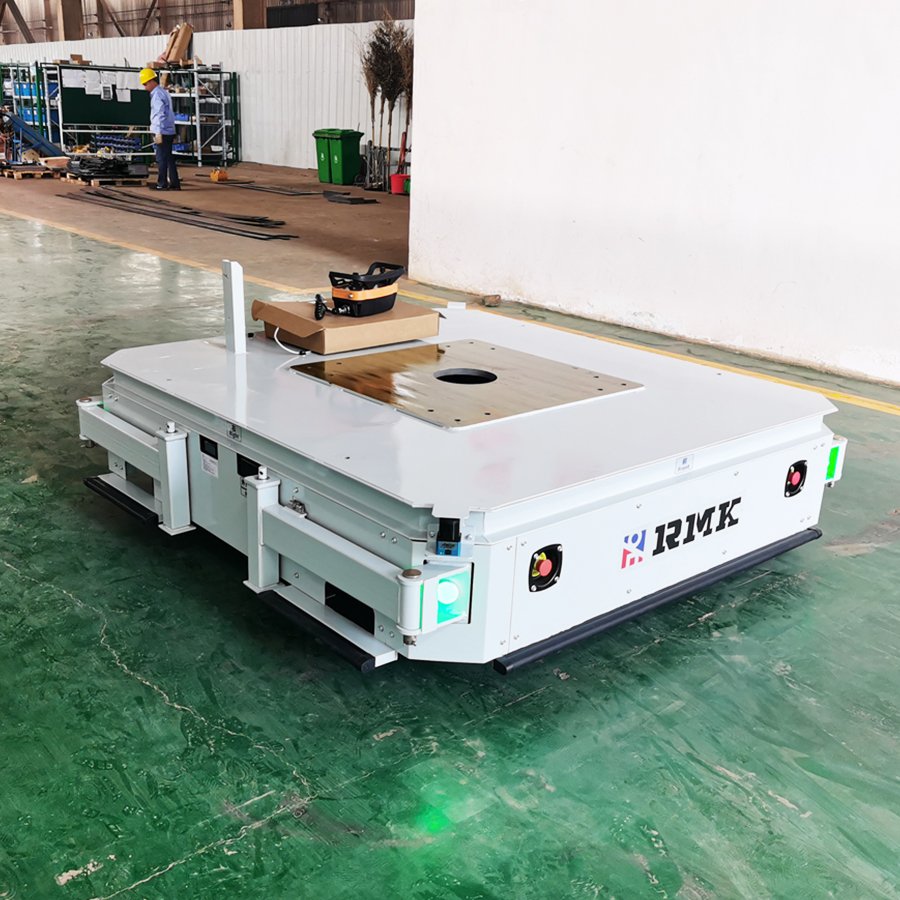
Omnidirectional transfer cart — 2-Ton Omnidirectional Vehicle
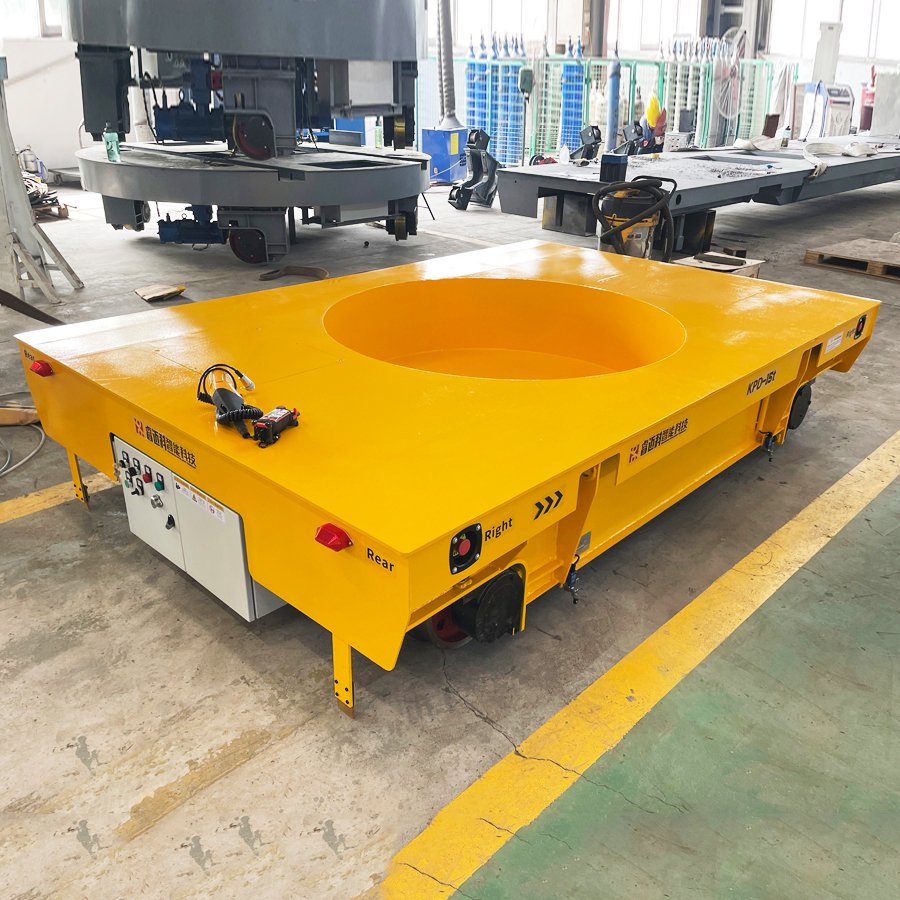
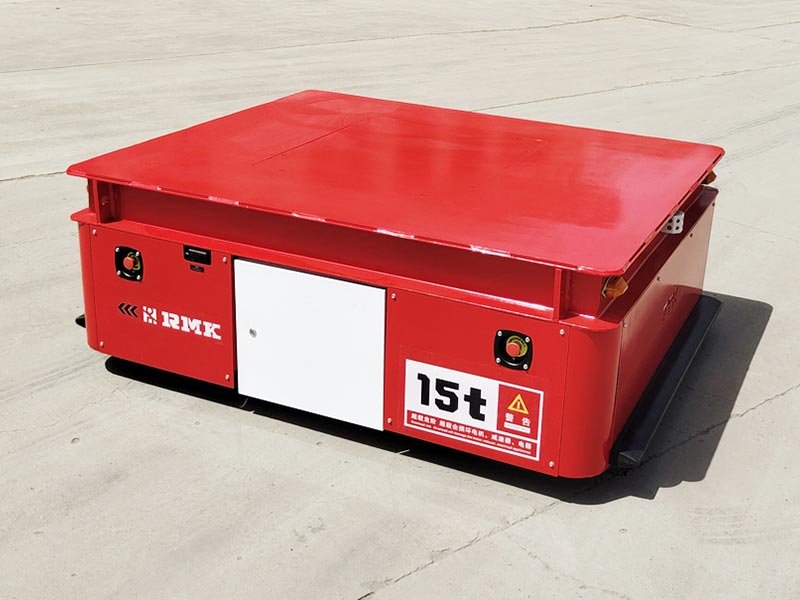
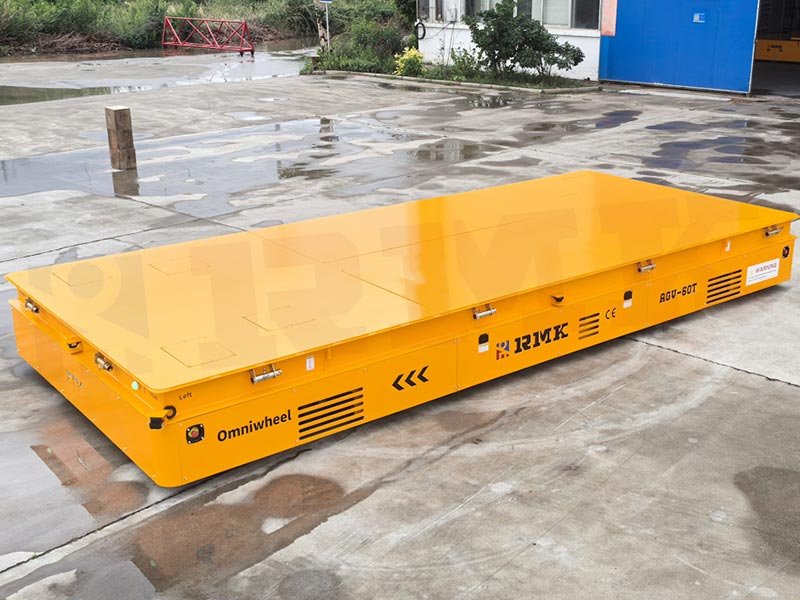
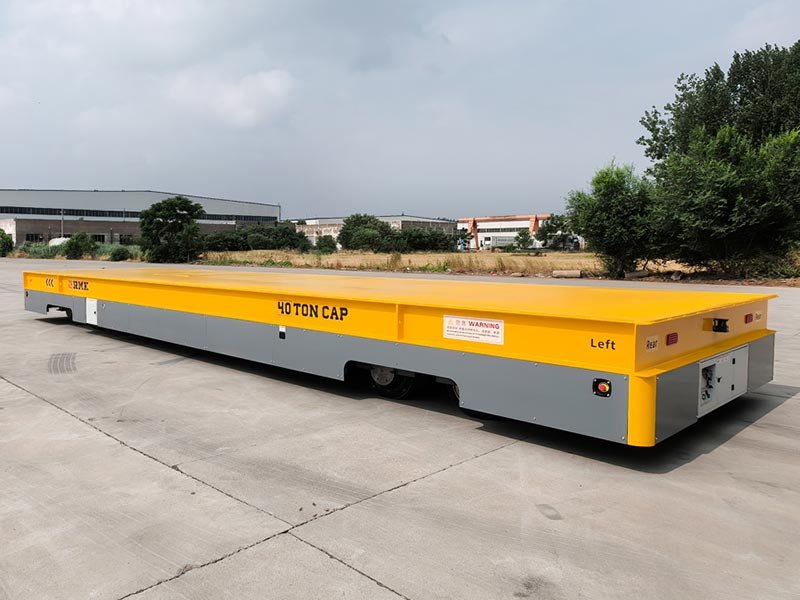
The Omnidirectional transfer cart is a trackless heavy-duty transfer device with free omnidirectional movement. It supports forward and backward travel, lateral shifting, diagonal driving, and 360° in-situ rotation for exceptional flexibility.
It adapts to complex production environments, limited working spaces and narrow passageways. It effectively solves the pain points of traditional transfer carts, such as difficult turning, large space occupation and limited traveling routes. Featuring high flexibility, heavy load capacity, high positioning accuracy, safety and environmental friendliness, it serves as an ideal solution for workshop intelligent logistics.
| Load Capacity |
2 Tons (4409.24Ibs). |
| Power type |
Battery powered. |
| Application |
Heavy-duty workpieces, molds, coils, steel coils, billets, semi-finished products, etc., for workshop applications. |
| Add-on |
Perimeter-extended safety bumpers / protective brackets. |
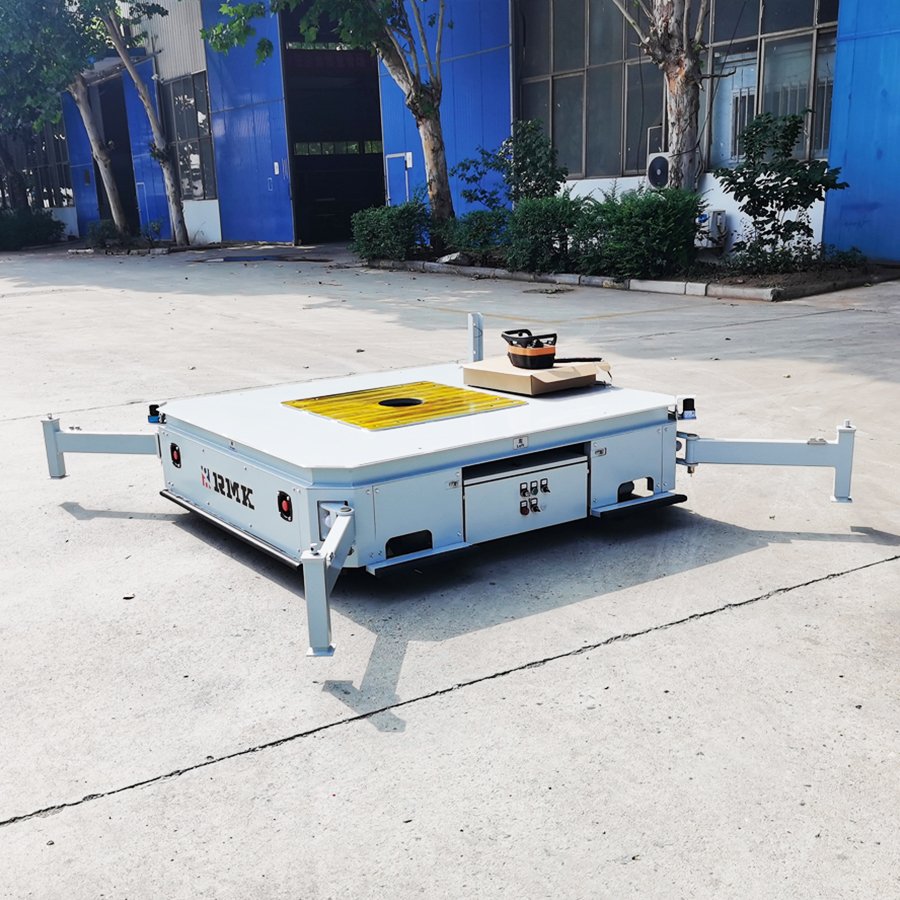
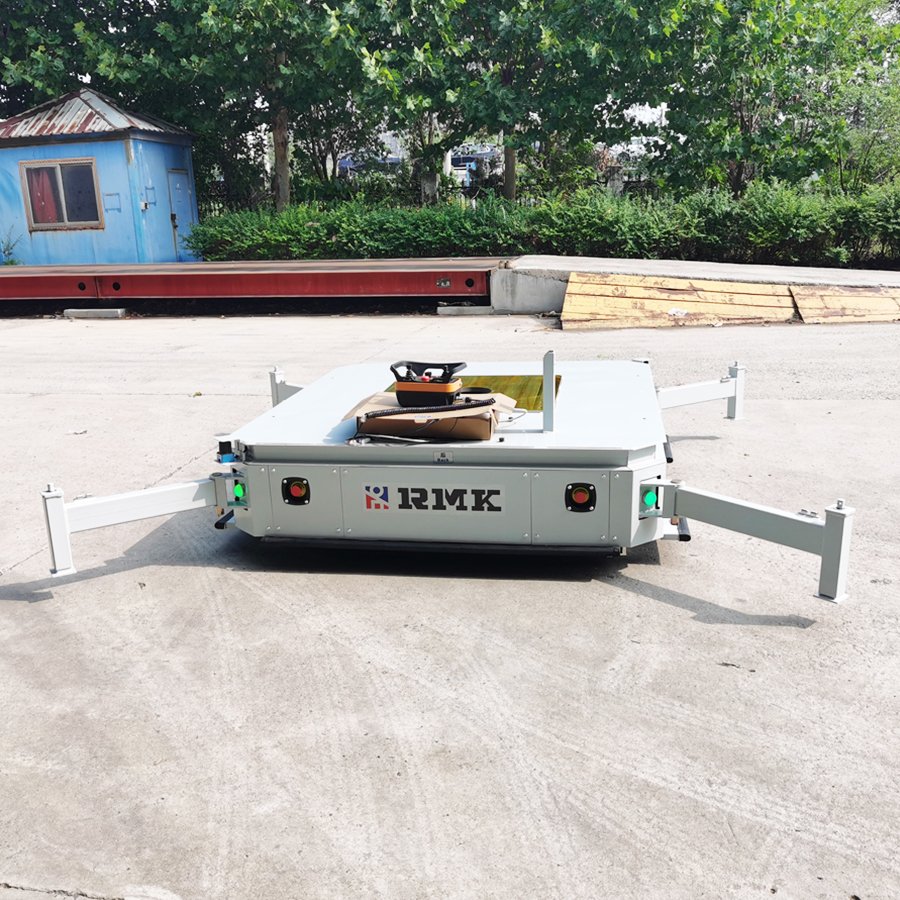
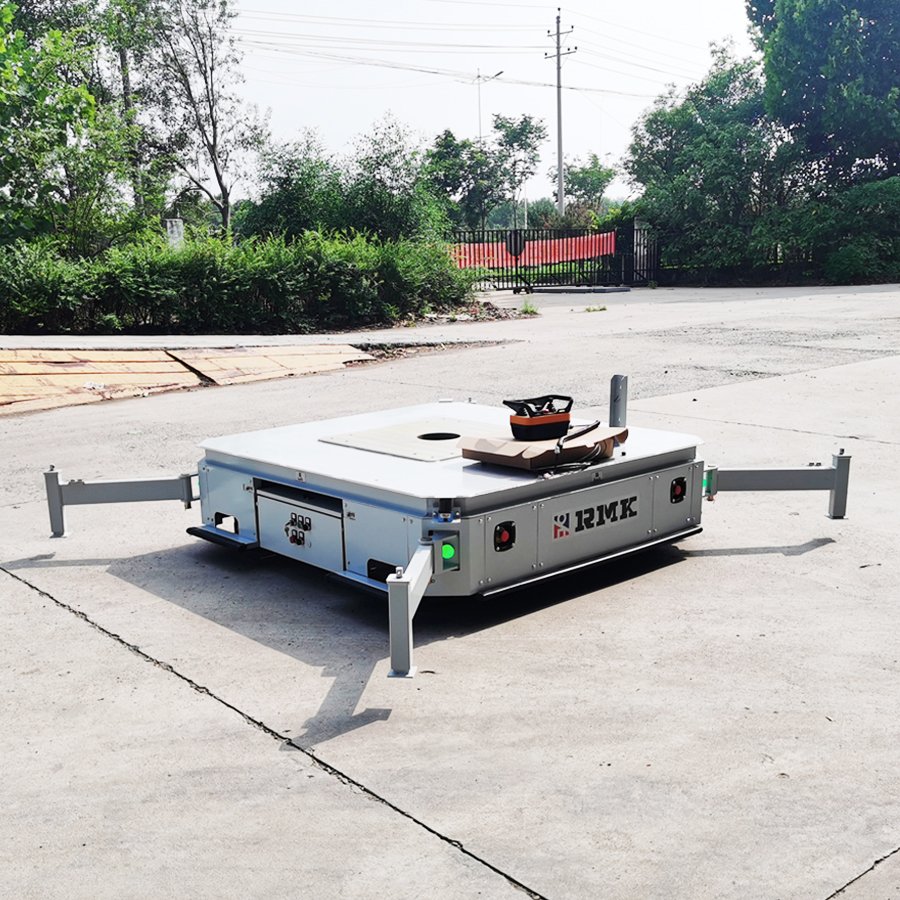
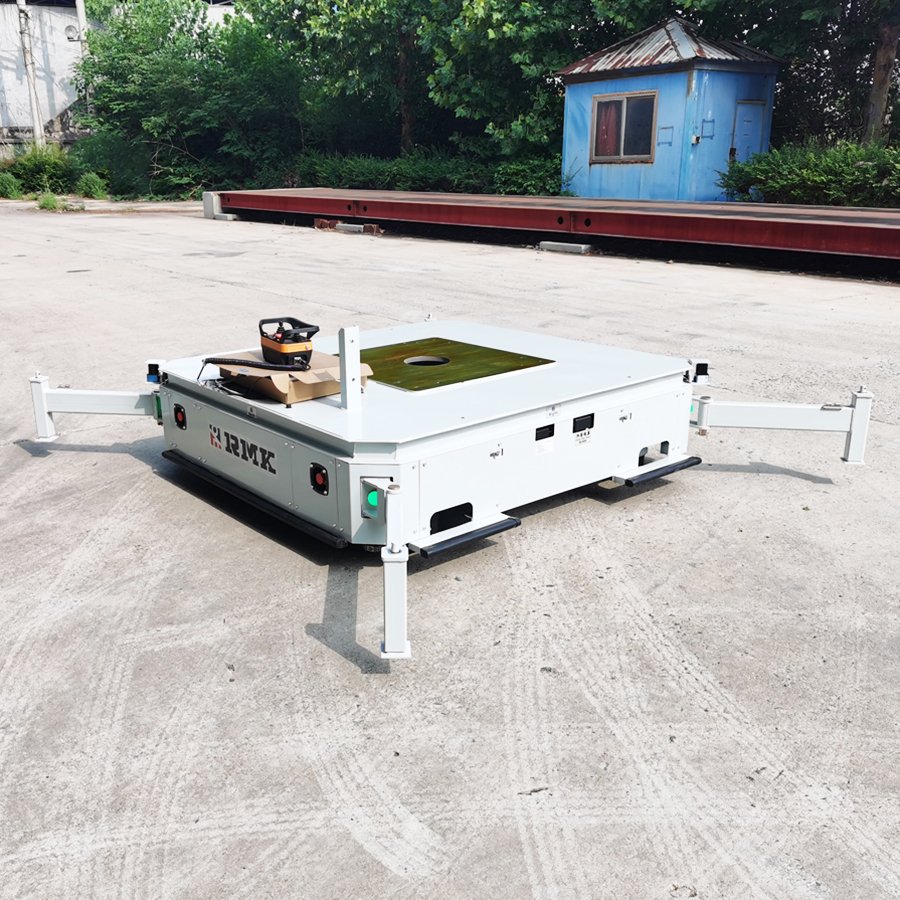
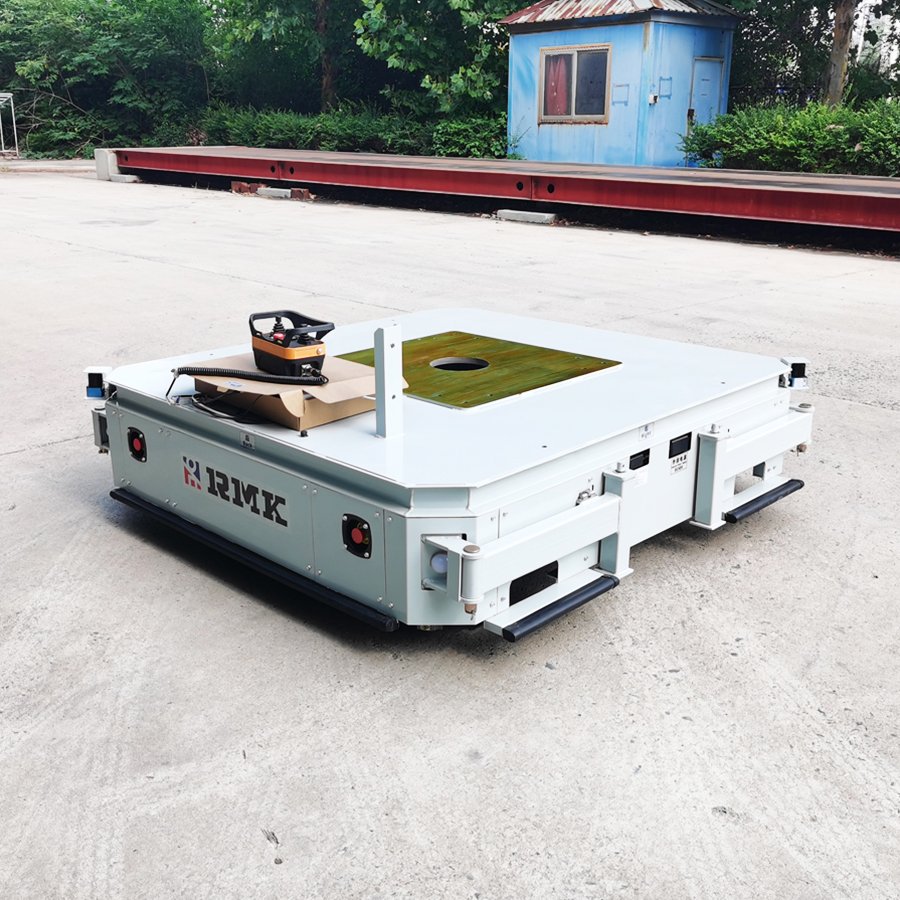
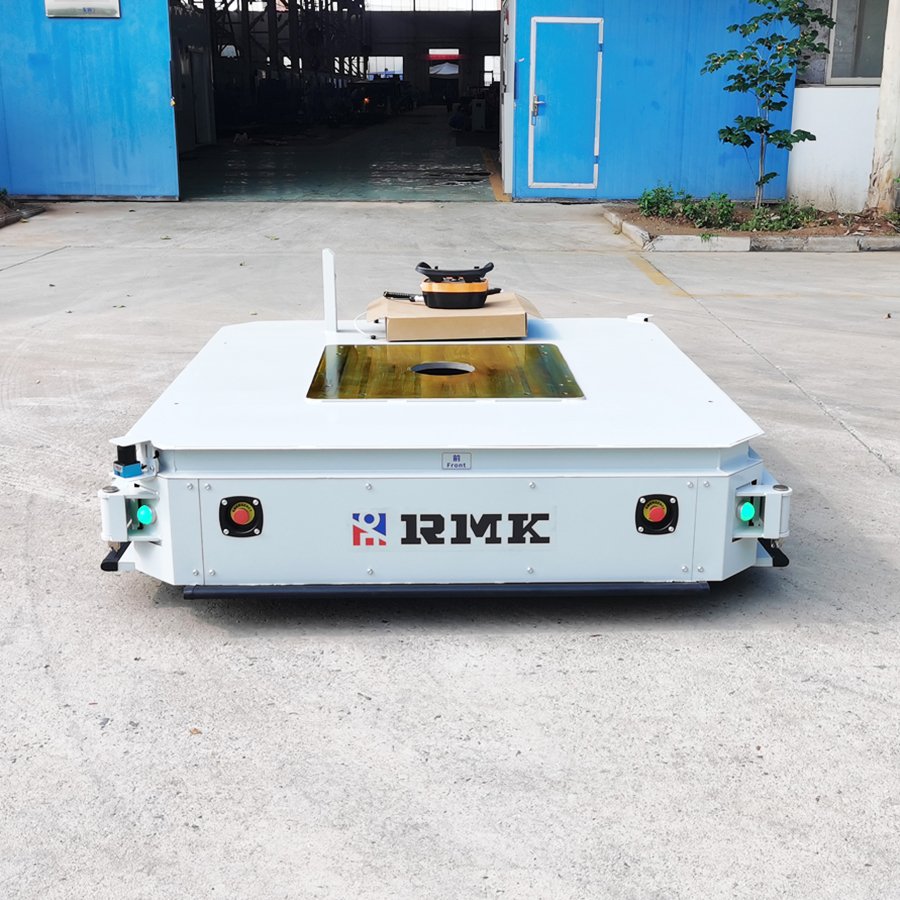
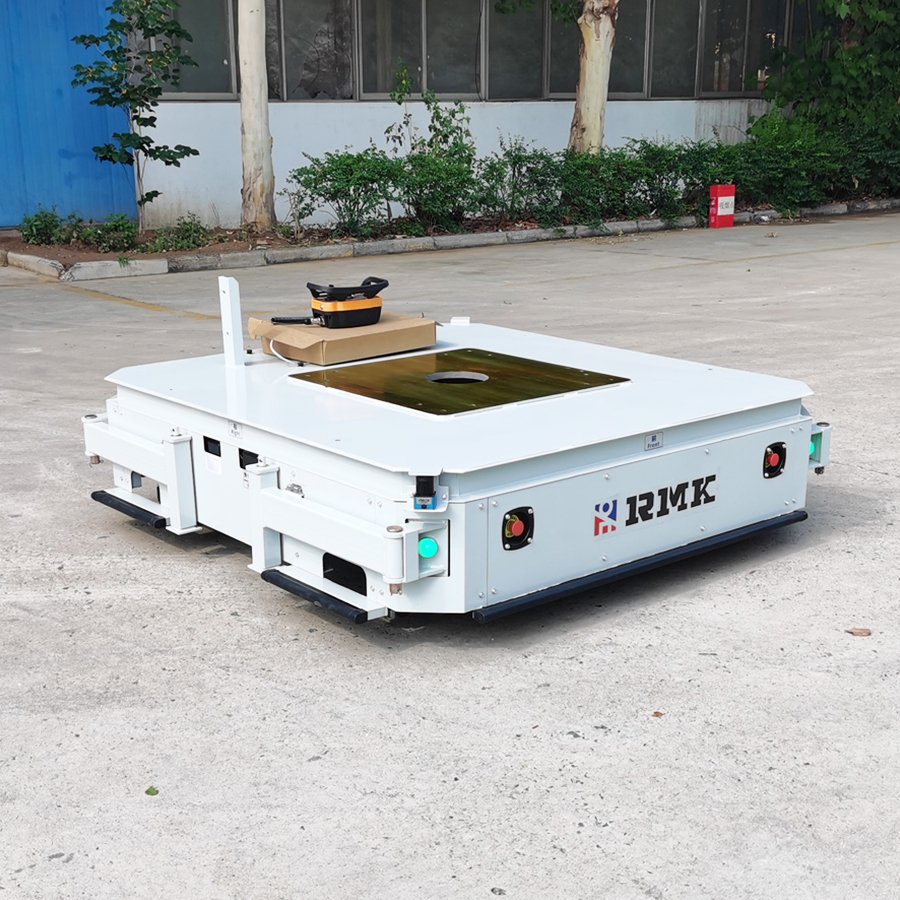
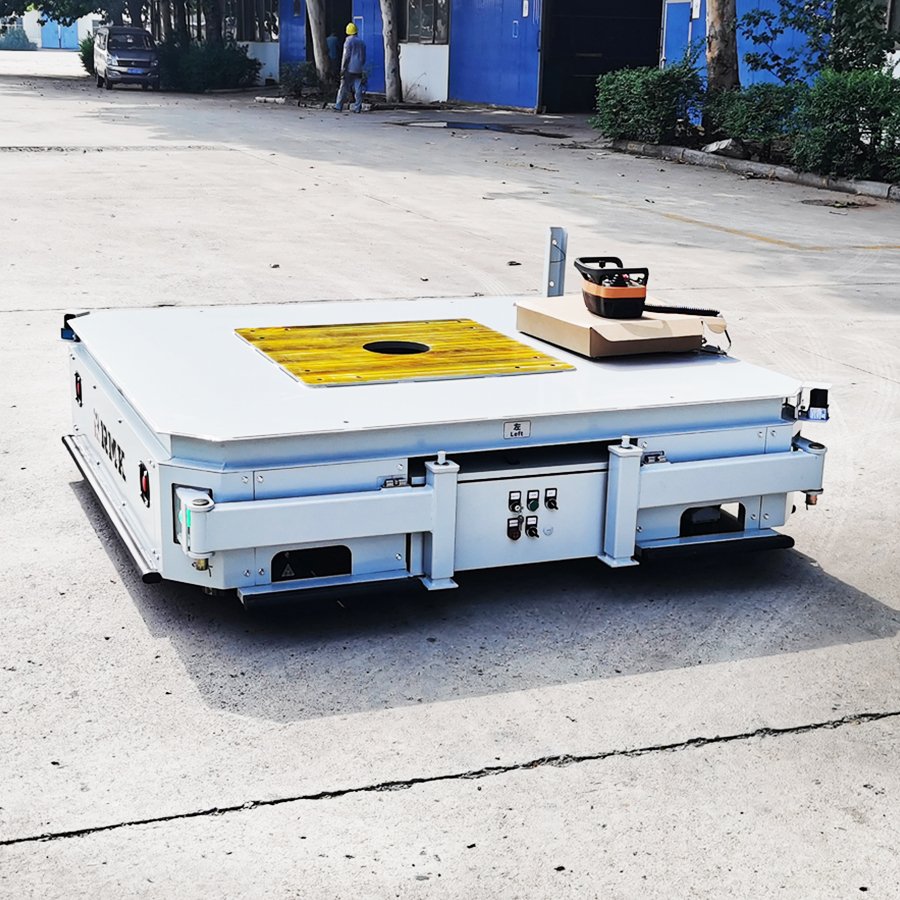
Omnidirectional transfer cart — 2-Ton Omnidirectional Vehicle
The Omnidirectional transfer cart is a trackless heavy-duty transfer device with free omnidirectional movement. It supports forward and backward travel, lateral shifting, diagonal driving, and 360° in-situ rotation for exceptional flexibility.
It adapts to complex production environments, limited working spaces and narrow passageways. It effectively solves the pain points of traditional transfer carts, such as difficult turning, large space occupation and limited traveling routes. Featuring high flexibility, heavy load capacity, high positioning accuracy, safety and environmental friendliness, it serves as an ideal solution for workshop intelligent logistics.
| Load Capacity |
2 Tons(4409.24Ibs). |
| Power type |
Battery powered. |
| Application |
Heavy-duty workpieces, molds, coils, steel coils, billets, semi-finished products, etc., for workshop applications. |
| Add-on |
Perimeter-extended safety bumpers / protective brackets. |
Core Working Principle
An omnidirectional transfer cart is battery-powered and driven by an omnidirectional wheel system. The control system independently controls each drive wheel, allowing the cart to move forward, backward, laterally, diagonally, and rotate in place on a flat, hardened floor without rails or a conventional steering mechanism.
Compared with conventional trackless electric transfer carts, an omnidirectional transfer cart is not restricted to a fixed direction of travel. Each drive wheel can be independently adjusted according to the movement command, enabling flexible operation in narrow workshops, between equipment, and within confined workstations. It also allows precise positioning of heavy workpieces while reducing the turning and maneuvering space required during material transfer.

Technical Specifications
| Technical Parameters Table Of Omni-Directional Series Electric Trackless Transfer Cart | ||||||||||||||||
| Rated Load Capacity(t) | 2 | 5 | 10 | 15 | 20 | 30 | 50 | 60 | 80 | 100 | 150 | 200 | ||||
| Table Size(mm) | Length | 2000 | 2400 | 2700 | 3000 | 4000 | 4500 | 4500 | 5000 | 6000 | 6500 | 6500 | 6500 | |||
| Width | 1300 | 1500 | 1800 | 2000 | 2000 | 2200 | 2200 | 2500 | 2500 | 2500 | 3000 | 3000 | ||||
| Height | 450 | 500 | 550 | 700 | 700 | 700 | 650 | 700 | 700 | 700 | 750 | 750 | ||||
| Ground Clearance(mm) | ≥50 | ≥100 | ||||||||||||||
| Turning Radius(mm) | 0 | |||||||||||||||
| Steering mode | Steering Wheel/Omni Wheel Steering | Differential Wheel Set Systems | ||||||||||||||
| Operation Method | Remote Control & Hand Operate Pendant | |||||||||||||||
| Move Way | Omnidirectional movement,Forward/backwards, rotation left/right, crab driving left/right,turning while driving with no stop,rotate 360° in place | |||||||||||||||
| Running Speed(m/min) | 25 | 20 | ||||||||||||||
| Motor Power(kW) | 2×1.5 | 2×2 | 2×3 | 2×4 | 4×3 | 4×4 | 8×3 | 8×3 | 12×3 | 12×3 | 12×4 | 16×4 | ||||
| Motor Type | DC Servo Motor/Low-voltage alternating current (AC) motor | |||||||||||||||
| Brake Mode | Electromagnetic Brake | |||||||||||||||
| Protective Measures | Audible and visual alarm lamp+ Emergency stop button+Laser obstacle avoidance sensor(Optional)+Anti-collision contact edge(Optional) | |||||||||||||||
| Wheel Quantity | 4 | 8 | 12 | 16 | ||||||||||||
| Suspension Type | Mechanical Automatic Regulation | Hydraulic Suspension | ||||||||||||||
| Drive Wheel Diameter(mm) | Ф200 | Ф250 | Ф300 | Ф410 | Ф300 | Ф410 | Ф400 | Ф500 | Ф400 | Ф500 | Ф550 | Ф550 | ||||
| Wheel Material | Steel Core + Polyurethane /Rubber Tire | |||||||||||||||
| Battery Capacity(kW·h) | 4.8 | 7.2 | 10.5 | 12.5 | 14.4 | 15.1 | 22.5 | 30 | 37.8 | 45.3 | 60.5 | 75.6 | ||||
| Battery Type | Lead-Acid Battery | Lithium Battery | ||||||||||||||
| Battery Endurance | 5h (Customized As Needed) | 4h(Customized As Needed) | ||||||||||||||
| Battery Charging Time | ≤7h | ≤5h | ||||||||||||||
| Battery Charger | AC220V/AC380V | |||||||||||||||
| Ground type | Cement Floor、Steel Plate Ground 、Epoxy Floor,Asphalt Floor | |||||||||||||||
| Full-Load Climbing Capacity | 3% | |||||||||||||||
| Working Environment | Temperature: -10°c~40°c; Humidity: 20%~80%, No Condensation(Customized for high-temperature and explosion-proof environments) | |||||||||||||||
| Vehicle Body Color | Customized | |||||||||||||||
| Other Functions | Battery Power Display,PLC,Visual Display Screen Designed On The Electric Control Cabinet ,Over Voltage, Under Voltage, Over Current Protection etc | |||||||||||||||
| Versione Automatica – AGV | With navigation modes such as magnetic navigation, laser navigation, QR code navigation, and ribbon navigation, the AGV can achieve automatic handling functions. | |||||||||||||||
| Intelligent Operation | Supports AGV integration and real-time data monitoring. | |||||||||||||||
Product Features
1. Omnidirectional Movement and Flexible Steering
The key advantage of an Omnidirectional transfer platform is its ability to move freely in multiple directions. Depending on the steering system and control method, the cart can perform:
In confined areas where conventional transport vehicles have difficulty turning, an Omnidirectional Battery Transfer Cart can move directly sideways or diagonally, reducing the time required for repeated directional adjustments. It is particularly suitable for material transfer between production lines, equipment positioning, and handling large workpieces in narrow workshops.
2. High Load Capacity
The cart features a high-strength steel frame and heavy-duty drive system, providing excellent load-bearing capacity and operational stability. Depending on project requirements, it can be used for heavy-duty transport ranging from several tons to tens or even hundreds of tons. The cart’s load capacity should be comprehensively designed based on the following factors:
For large or irregularly shaped workpieces, V-shaped supports, saddles, dedicated brackets, hydraulic lifting platforms, and other custom tooling structures can also be provided to improve stability during transport.
3. Trackless Operation, Fewer Route Restrictions
Steerable Transfer Cart typically operate without tracks, eliminating the need for rail installation and allowing operation on concrete floors and industrial site surfaces. Compared with conventional rail-mounted electric transfer carts, trackless operation reduces the restrictions imposed by fixed routes on production layouts. When a factory needs to rearrange production lines, change transport routes, or transfer materials flexibly between multiple areas, a trackless omnidirectional electric transfer cart offers greater flexibility.
4. Small Turning Radius for Narrow Workshops
During the transportation of large workpieces, a common challenge is that the workpiece itself may be too large for the vehicle to change direction using conventional steering methods. An Steerable trackless car changes the wheel direction and travel path to achieve lateral movement and rotation in place, eliminating the need for the large turning radius required by conventional vehicles.
For example, in equipment assembly areas, the cart can move laterally to the designated position and then make small positional adjustments for precise alignment. This is particularly useful for:
5. Battery-Powered for Flexible Operation
An omnidirectional electric transfer cart can be powered by rechargeable batteries, with the wheels driven by electric motors, eliminating the need for trailing cables.
Battery power offers the following advantages:
For projects with high operating frequency and long working hours, the appropriate battery capacity and charging solution can be configured based on travel distance, duty cycle, and charging conditions.
What Applications Are Best Suited for an Omnidirectional Transfer Cart?
Narrow Aisles and Congested Workshops
In workshops with tightly arranged equipment and limited clearance, conventional electric transfer carts have a turning radius and require reversing. This reduces efficiency and increases risk of contacting equipment or walls. An omnidirectional transfer cart moves laterally and makes precise in-place adjustments without turning space, entering narrow aisles from the side and meeting heavy-load needs in confined spaces.
Sequential Material Feeding to Multiple Workstations
Suitable for production environments requiring sequential material feeding to multiple workstations from different directions. An omnidirectional transfer cart can rotate 360° in place and freely adjust its travel angle without repositioning or occupying additional space. It can continuously transport materials between multiple workstations and in multiple directions, supporting flexible production operations.
Precision Assembly and Positioning
Widely suitable for high-precision assembly applications in aerospace, automotive manufacturing, and large equipment assembly. With an independent omnidirectional wheel drive system, the cart can perform smooth, fine movements in any direction, enabling millimeter-level positioning of heavy workpieces and improving assembly accuracy and operational stability.
Restricted Areas Beyond Overhead Crane Coverage
Suitable for workshops with limited height, overhead piping, insufficient crane capacity or no crane coverage. It makes up for overhead lifting equipment shortcomings. As a track‑less ground transport cart, it needs no major infrastructure changes or overhead support. With flat, load‑bearing floors, it independently transfers, relocates and positions heavy materials.
Application Industries

Transformer Industry
Zero-turning-radius design enables confined movement. Smooth acceleration prevents vibration damage and minimizes load shifting. Precise positioning ensures transformer core and winding alignment.

Large Equipment Industry
Flexible route adjustment enables precise diagonal and curved movement. Smooth, vibration-free operation helps protect precision components from damage and improves assembly and commissioning efficiency.

Shipbuilding Industry
Customizable load capacity handles slight slopes and transition plates in shipyards. Multi-route planning enables flexible movement between areas, while remote control reduces manual effort and meets oversized material transport needs.

Oil Industry
Omnidirectional movement allows flexible positioning in confined assembly areas. High-precision positioning ensures accurate equipment alignment, while anti-collision functions help prevent component damage.

Transport of Long Cylindrical Objects
The cart can be equipped with customized anti-slip platforms and positioning devices, with multi-route operation suitable for warehouses, workshops, loading and unloading areas, and other working environments.
Accessories
The core configuration of an omnidirectional transfer cart consists of the cart body, drive system (battery, drive motor, and reducer), power system, control system, and safety detection system. Based on modular design and precise coordinated control, the cart offers convenient and efficient operation. Equipped with high-precision obstacle detection devices, it can automatically slow down and perform an emergency stop when personnel or obstacles are detected. This improves industrial material handling efficiency while ensuring the safety of operators, transported materials, and surrounding equipment, providing both high efficiency and operational safety.
Customer Reviews
We are a transformer manufacturer with a confined workshop, making heavy-load handling challenging. RMK’s omnidirectional steering-wheel transfer cart solved the problem! Its zero-turning-radius capability ensures maneuverability and positioning of 30-ton loads. Transfer efficiency increased by 40%, labor costs dropped, and the cart remains stable and to maintain.

Remarkable’s transfer cart is technically reliable! The touchscreen controls are easy to use, positioning is highly accurate, and the cart adapts well to multiple travel paths. It remains stable and tracks accurately under heavy loads, while the anti-collision system responds quickly. After commissioning, it requires almost no additional maintenance, saving us a lot of time and effort.

FAQ
Related Products
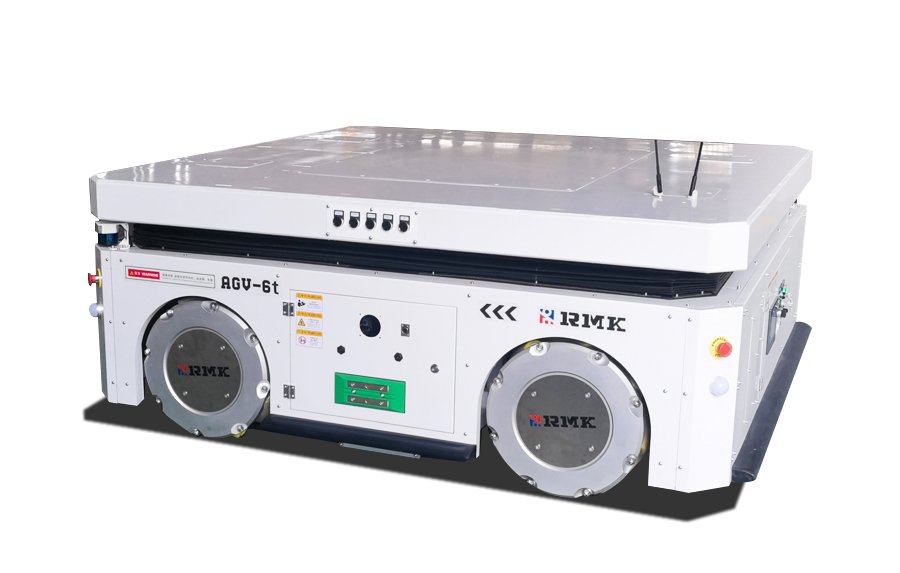
Mecanum wheel transfer cart
Mecanum wheel transfer cart is equipped with a dedicated Mecanum wheel travel system. Adopting an omnidirectional wheel set structure, it realizes lateral movement, diagonal travel and in-situ rotation, enabling...Differential Steering Trackless Transfer Cart
Differential Steering Trackless Transfer Cart features flexible steering via differential drive, operates tracklessly without path constraints, and efficiently handles heavy-duty material transport.
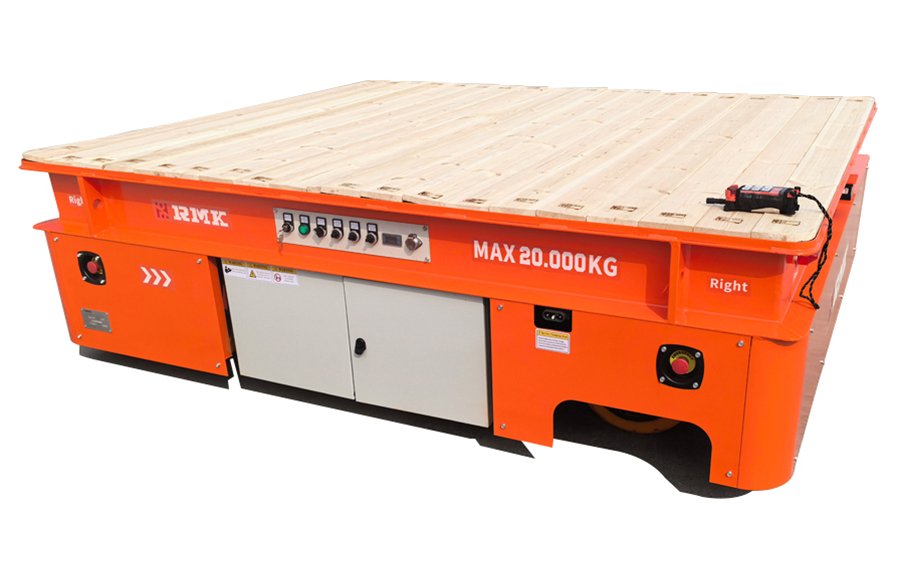
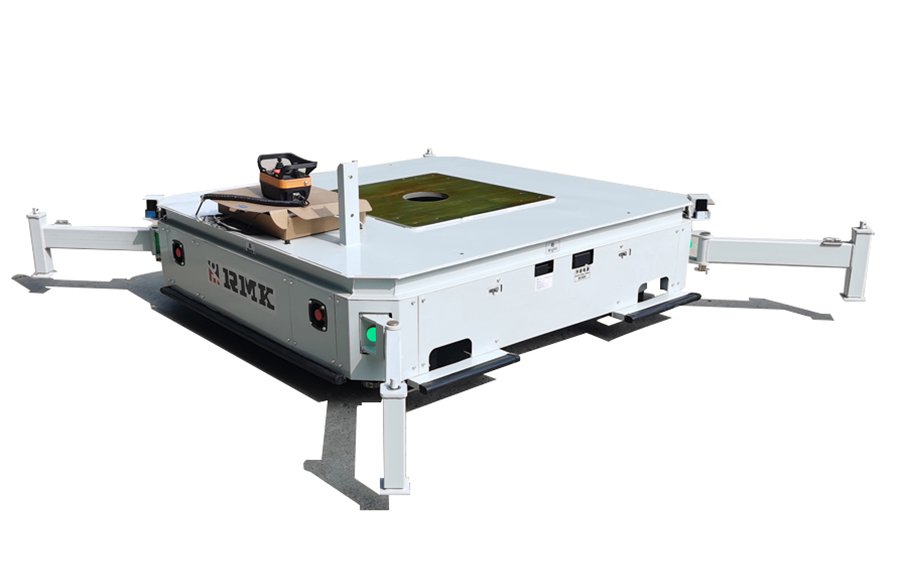
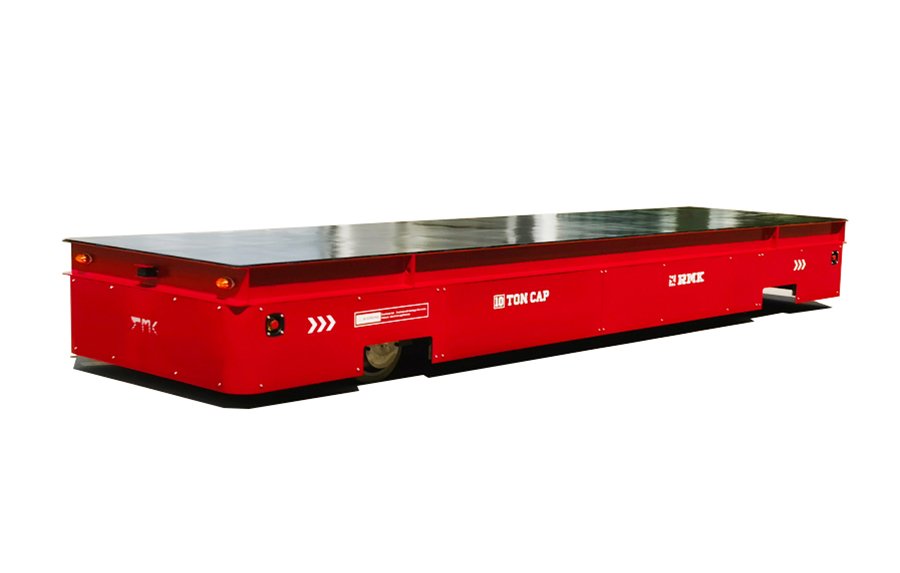
Related Products
Mecanum wheel transfer cart
Mecanum wheel transfer cart is equipped with a dedicated Mecanum wheel travel system. Adopting an omnidirectional wheel set structure, it realizes lateral movement, diagonal travel and in-situ rotation, enabling...Differential Steering Trackless Transfer Cart
Differential Steering Trackless Transfer Cart features flexible steering via differential drive, operates tracklessly without path constraints, and efficiently handles heavy-duty material transport.
Hot blog
Applications and Solutions for Industrial Material Transfer Carts in Bulk Material Handling
In modern industrial production, efficient material handling plays an important role in maintaining production flow, improving operational efficiency,...How to Choose a Ladle Transfer Cart for Steel Plants?
A ladle transfer cart is a specialized heavy-duty material handling vehicle used in metallurgical, steelmaking, and foundry production...
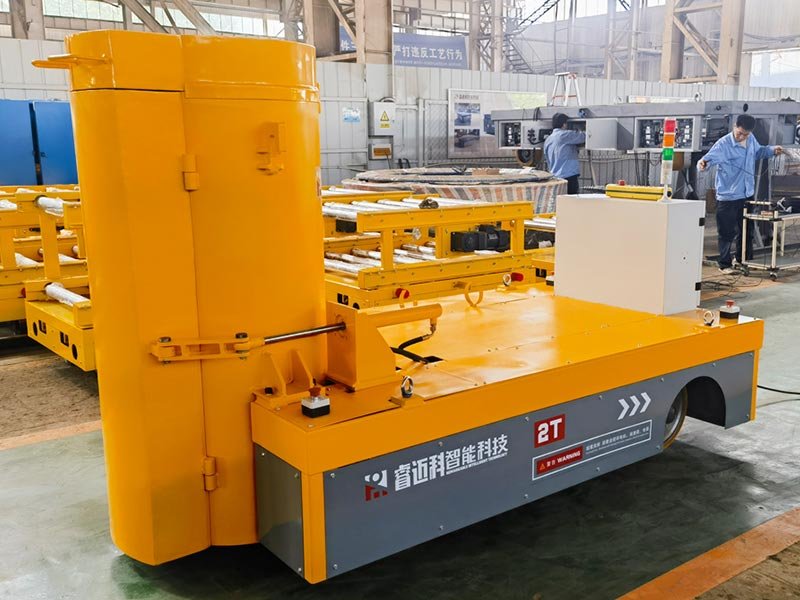
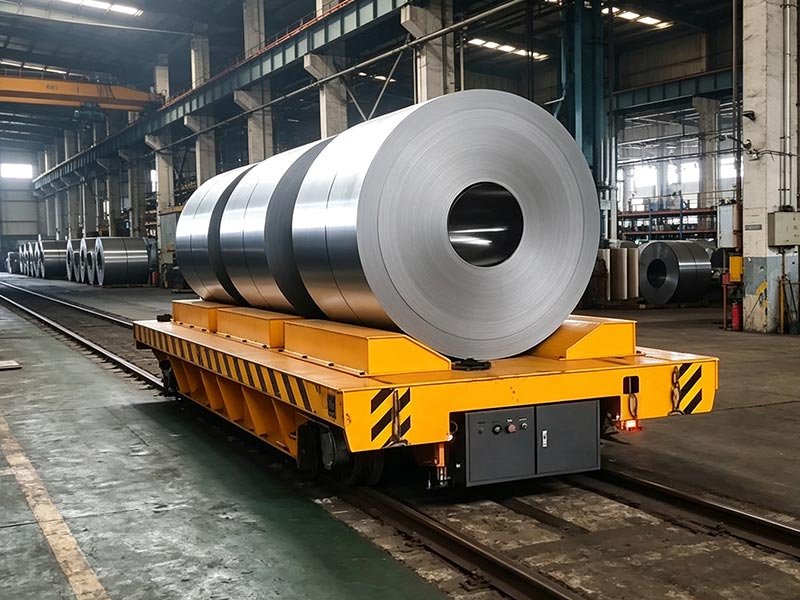
Hot blog
Applications and Solutions for Industrial Material Transfer Carts in Bulk Material Handling
In modern industrial production, efficient material handling plays an important role in maintaining production flow, improving operational efficiency,...How to Choose a Ladle Transfer Cart for Steel Plants?
A ladle transfer cart is a specialized heavy-duty material handling vehicle used in metallurgical, steelmaking, and foundry production...