
Outdoor Transfer cart — 30 Ton Hydraulic Steering Trackless Cart – Poland
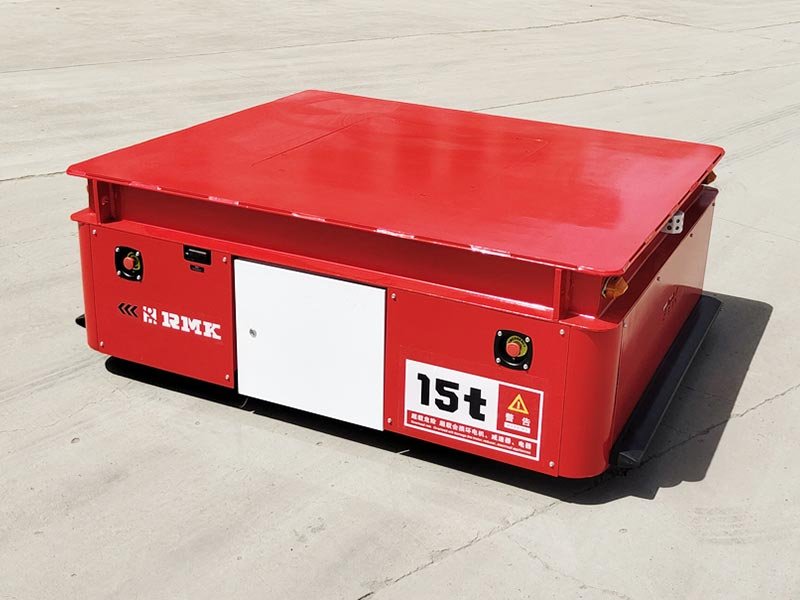
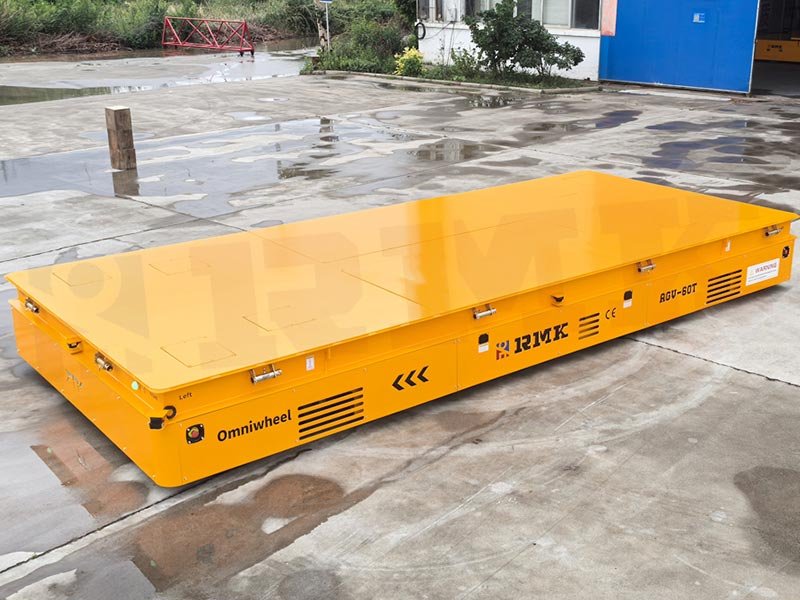
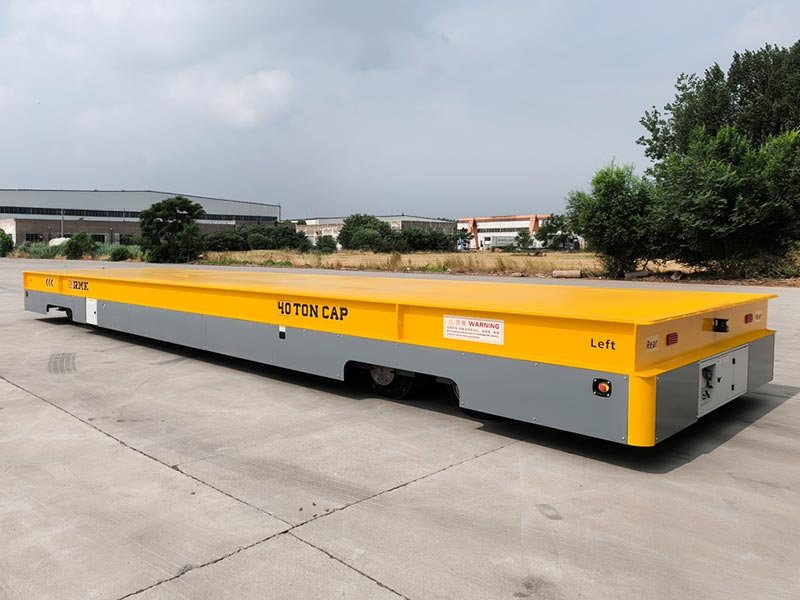
Outdoor transfer carts are material handling equipment designed specifically for open environments such as open-air factories, cross-workshop logistics, and outdoor storage zones.Their primary function is to address the pain points of traditional handling equipment in complex outdoor conditions, including low efficiency, poor adaptability, and inadequate safety.
Compared with indoor electric flat cars, outdoor transfer carts can easily withstand wind, rain, rough terrain, and large temperature variations, enabling efficient and precise transportation of heavy materials.
| Load Capacity |
30 Tons. |
| Power type |
Battery powered. |
| Application |
Large machine tool beds, large steel structures, automotive stamping dies, aircraft fuselage sections, large transformers, etc. |
| Add-on |
Heavy-duty support tooling |
What Are the Key Features of an Outdoor Transfer Cart?
Outdoor industrial transportation typically involves variable weather, dust, complex road surfaces and long-distance haulage. Compared with indoor workshop transfer carts, outdoor transfer carts place greater emphasis on operational stability, environmental protection and operational safety under outdoor working conditions.
01——
Protection Design Adapted to Outdoor Working Conditions
The equipment is exposed to rain, dust, sunlight and temperature fluctuations over long periods. For this reason, key components including motors, electrical control boxes and wiring are fitted with protection schemes matched to on-site climate conditions. Sealed electrical control enclosures and dustproof & waterproof assemblies are optional for open-air stockyards, plant roads and outdoor loading/unloading zones to reduce environmental interference with equipment operation. Suitability for use in rainy weather, pooled water and extreme temperature environments is subject to the protection class, operating temperature range and manufacturer specifications of the specific model.
02——
Frame and Wheel Configuration Adapted to Outdoor Road Surfaces
Applicable road surfaces include hardened industrial pavements such as concrete and asphalt. Road flatness, load-bearing capacity and drainage all affect driving stability. Frame structure, wheel material, wheel diameter and chassis solutions are selected according to the rated load and actual road conditions. For heavy and oversized materials, load distribution, centre of gravity and turning stability must also be considered. For routes with gradients, joints or uneven sections, ground clearance, gradeability and wheel compatibility shall be calculated in advance. Standard outdoor transfer carts are not suitable for muddy ground, pooled water or heavily pitted surfaces.
03——
Capacity for Heavy Material Transfer
Widely used in steel mills, equipment workshops and large open-air stockyards for transferring heavy workpieces such as steel, moulds and mechanical components. Compared with manual handling and repeated transshipment, properly specified electric transfer carts streamline on-site logistics workflows. The selected load capacity must cover the weight of attachments such as tooling and load platforms. Material dimensions, centre of gravity and securing methods shall also be considered, with platforms, frames and drive systems matched to actual working conditions.
04——
Safety Configurations for Outdoor Operation
Plant roads are shared by forklifts, trucks and pedestrians, and variable outdoor lighting impairs visibility. Safety devices are configured in line with on-site traffic planning and transport routes. Audible-visual alarms, emergency stop devices, braking systems and anti-collision sensors are available. Additional control and protection solutions are supplied for blind spots, mixed pedestrian-vehicle traffic and precision docking scenarios. Safety accessories serve only as aids and cannot replace proper route planning and safe operating procedures.
05——
Travel Solutions Selected According to Routes
Outdoor routes cover fixed loading/unloading aisles, inter-workshop roads and plant passages requiring frequent turning. Route geometry determines the travel and steering solution: rail-guided transfer is suitable for fixed, unidirectional routes; trackless transfer carts are chosen for acceptable ground conditions and flexible movement; for narrow aisles and complex turning scenarios, turning radius and manoeuvrability must be verified beforehand. The choice between rail-guided and trackless types is based on transport distance, route layout, turning space and ground conditions, rather than a simple indoor/outdoor distinction.
Where Are Outdoor Transfer Carts Used?
Outdoor transfer carts are specially built for outdoor working conditions such as open stockyards, plant passages and construction sites. Featuring waterproof, dustproof, weather-resistant and heavy-load performance, they are designed for short-distance horizontal transfer of heavy materials within factory premises, making up for the shortcomings of overhead cranes and forklifts in outdoor oversized cargo handling.
Steel Mills and Metal Processing Yards
Shipyards and Port Facility Zones
Precast Component Plants and Construction Sites
Heavy Equipment Manufacturing Plants
Outdoor Warehouses and Raw Material Yards
Note: We can customise outdoor transfer carts according to site ground conditions, load capacity and route requirements to suit various outdoor handling working conditions.
How to Choose the Right Outdoor Transfer Cart?
Outdoor working conditions are far more complex than indoor environments, and model selection should not be based solely on rated load capacity. Ground conditions, rain and dust, long-distance endurance, and turning space directly determine whether the cart can operate stably over a long service life. The following explains the most critical dimensions for procurement decisions one by one to help match actual site requirements and avoid rework and modification after selection.
Load Capacity, Platform Size and Material Centre-of-Gravity Distribution
Do not select tonnage only based on the self-weight of materials. Workpiece shape, centre-of-gravity offset and tooling weight shall also be considered simultaneously.
Ground Conditions and Travel Routes
This is the biggest difference between outdoor transfer carts and indoor rail carts. Ground conditions directly determine the cart type.
Power Supply Mode and Continuous Operation Duration
Cable laying is difficult outdoors compared with workshops, so power supply solutions suitable for open-air scenarios are prioritised.
Steering Mode and Control Solution
Select the control and steering forms for the Outdoor Transfer Cart based on on-site aisle width and automation requirements.
Protection for Outdoor Environmental Working Conditions
This is the core differentiator of outdoor transfer carts and a point easily overlooked by buyers.
Note: You only need to provide site photos, material parameters and daily operation requirements. We can deliver targeted solutions and supply outdoor transfer carts that support stable long-term outdoor operation.
Outdoor Transfer Cart vs. Indoor Transfer Cart: What Are the Differences?
Many customers consider using indoor transfer carts directly in open-air yards. Although both share the basic material handling functions, they follow different design standards. Long-term outdoor use of indoor carts may easily cause circuit water ingress, rapid wheel wear, component rusting, premature battery aging and other issues. The comparison helps you judge whether dedicated outdoor configurations are required. Outdoor models support optional configurations as needed and do not come with uniformly high specifications.
| Comparison Dimensions | Outdoor Transfer Cart | Indoor Transfer Cart | Selection Tips |
| Environmental Protection Requirements | Protection, dustproof and smoke-proof configurations are optional as required | Only basic dustproof design, no rainproof structure | Proposed solutions can be evaluated for short-time outdoor use; outdoor models are recommended for long-term outdoor operation. |
| Wheels and Ground Surfaces | Heavy-duty wear-resistant wheels, suitable for slightly potholed and gravel roads, gradeability available | Polyurethane wheels, suitable only for flat workshop floors | Outdoor wheel sets are preferred for potholed and gravel sites. |
| Electrical Configuration | High-protection electrical control, waterproof wiring harnesses; high-low temperature resistant batteries optional | Standard protection; electrical controls are non-waterproof, for constant-temperature workshops | Electrical protection must be upgraded for rainy and salt-spray environments. |
| Climate Adaptability | Adaptable to variable weather such as sunlight, showers and temperature extremes | Designed for stable indoor workshop temperatures; prone to failure under direct sunlight or low temperatures | Temperature-resistant components shall be prioritised for sites with severe cold or high temperatures. |
| Maintenance Points | Seals, drainage and anti-corrosion features require periodic inspection; increase maintenance frequency in salt-spray environments | Simple maintenance, mainly including dust removal and routine inspection | Outdoor working conditions require more maintenance items; maintenance costs are recommended to be reserved. |
Outdoor Transfer Cart Customization Options
Remarkable’s Outdoor Transfer Cart solutions are not standard off-the-shelf products. Instead, they provide customised engineering designs based on your on-site outdoor route layout, workpiece shape and weight, and daily transfer frequency to adapt to variable working conditions such as open stockyards, construction sites and port areas.
Customisation of Load Capacity and Platform Dimensions
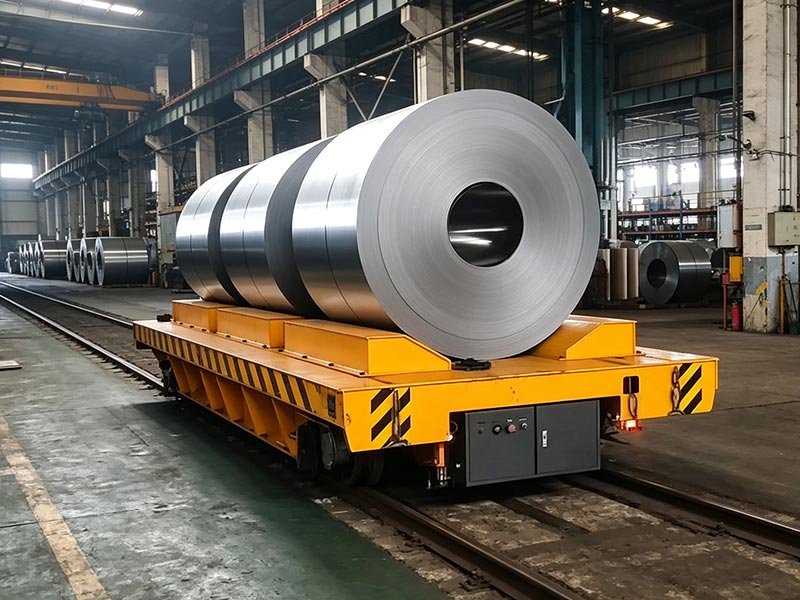
The safe load is calculated according to workpiece self-weight, eccentric load and total weight of supporting tooling. Platform length, width and ground clearance are customised. Tooling such as V-shaped brackets, stops and anti-slip plates can be fitted to suit irregular oversized workpieces including steel coils, precast components and hull sections and prevent material slippage.
Customisation of Wheel Sets and Steering Structures
Wheel types and steering modes are selected based on aisle width, turning space, road gradient and ground material. Options include straight travel, four-wheel synchronous steering and 360-degree pivot steering to adapt to narrow aisles and irregular outdoor routes. Meanwhile, cut-resistant and wear-resistant wheel sets are reinforced for potholed and stony road surfaces.
Customisation of Power Supply Schemes and Battery Configurations
The power supply type is determined considering daily operating hours, charging conditions and transfer distance. Battery-powered units can be equipped with different capacity packs. Temperature-resistant battery packs are adopted for regions with low temperatures or intense sunlight to guarantee endurance for continuous outdoor operation and reduce disruptions to production rhythm caused by mid-operation recharging.
Customisation of Safety Protection and Outdoor Weather-Resistant Configurations
Protection schemes are graded according to environments. Rainproof and dustproof electrical controls, anti-corrosion coating, emergency stops, collision avoidance devices, audible-visual alarms and speed limiters are optional. Separate anti-corrosion, sealing, insulation and heat dissipation designs suit dusty steel mills, coastal salt-spray environments and northern low-temperature regions.
Why Choose Remarkable Outdoor Transfer Carts?
Outdoor working conditions feature many variables, and standard generic carts often suffer from inadequate protection, poor gradeability and poor pavement adaptability. RMK focuses on heavy-duty outdoor transfer applications. Instead of simply modifying configurations, we match your open-yard conditions from an engineering perspective. Below are our core advantages that set us apart from general assembly manufacturers:
Field Implementation Experience in Outdoor Heavy-Load Projects
We have long served open-air handling projects for steel mills, shipyards, precast component factories and port yards. We accept orders for outdoor transfer carts with load capacities ranging from 1 to 500 tons and are familiar with various harsh outdoor conditions including salt spray, dust, extreme temperatures, ramps and gravel surfaces. A large number of delivered overseas projects enable us to comply with inspection, certification and packaging requirements for foreign trade projects, and we understand overseas clients’ long-term demand for the durability of outdoor equipment.
Working-Condition-Oriented Engineering Design Capability
Our engineers first evaluate on-site routes, gradients, ground materials, material eccentricity and daily transfer frequency before designing structural, drive and protection solutions. Independent verification is carried out for outdoor application: derating calculation for ramps, anti-overturning check for eccentric loads and sealing protection design for outdoor electrical controls, so as to avoid later failures caused by adopting designs intended for indoor carts.
Flexible Non-Standard Customisation Capability
Outdoor Transfer Carts support full-range customisation on demand: load capacity, platform structure, steering type, endurance, weather resistance rating and automatic navigation modules are all optional. Auxiliaries such as V-shaped brackets, limiting tooling and hydraulic lifting devices can be supplied. Mandatory high-spec upgrades are not required; only essential configurations including rain protection, anti-corrosion treatment and low-temperature resistance are selected according to your open-air environment to control overall investment.
In-House Manufacturing and Pre-Delivery Testing
We own machining and assembly workshops. Frame welding, wheel set assembly and electrical control integration are all completed in-house. Before delivery, every outdoor model undergoes simulated tests for ramps, heavy-load start-stop and rain protection. Functions including remote control, collision avoidance and speed limiting are commissioned simultaneously. Drawings and test records are provided to facilitate on-site acceptance and subsequent maintenance.
One-on-One Full-Process Pre-Sales Technical Support
Site assessment, solution drawings, load calculation and detailed quotations are available at the inquiry stage. We accept site photos, layout sketches and video surveys to quickly deliver suitable solutions. After delivery, operation training and maintenance manuals are provided. Remote rapid troubleshooting is available for common faults of outdoor electrical controls, batteries and travel systems to ensure continuous operation at open yards.
FAQ
Related Products
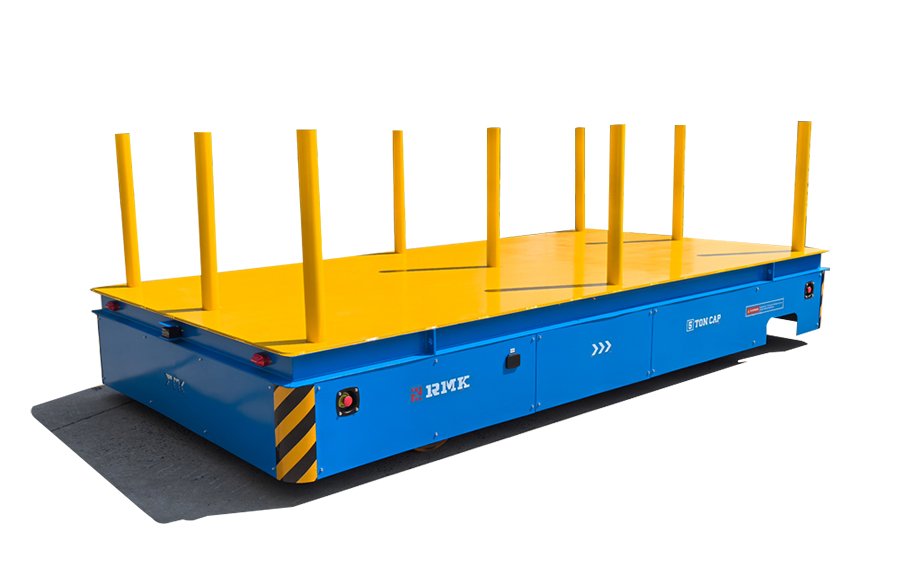
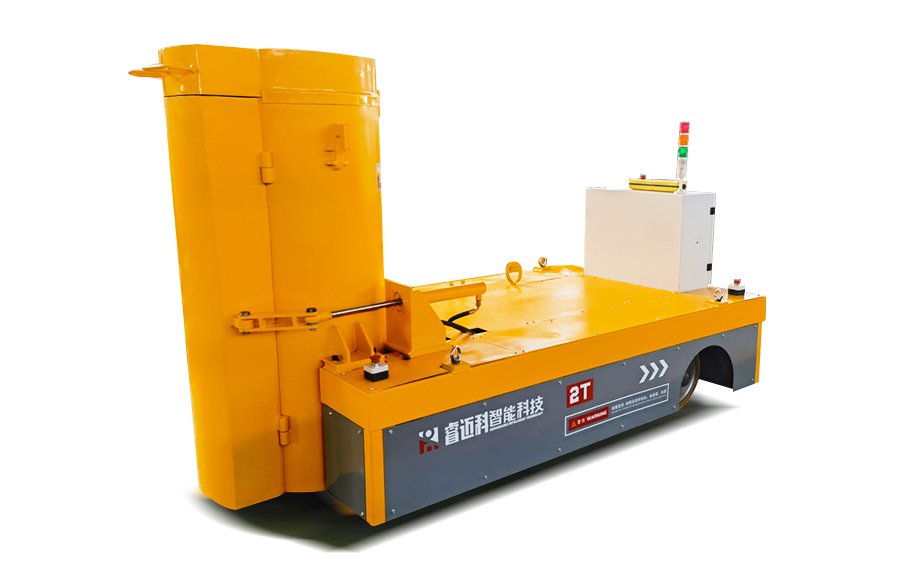
Steel pipe transfer trolley
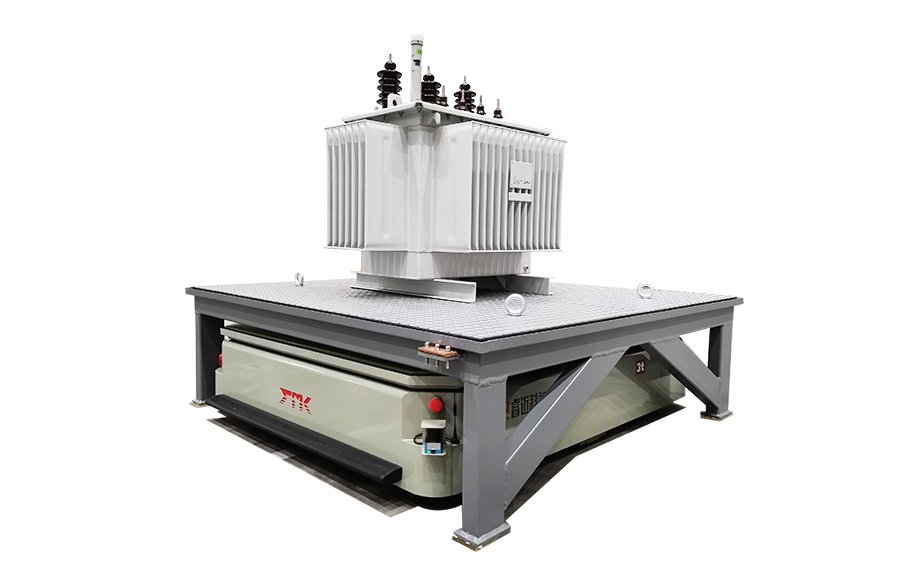
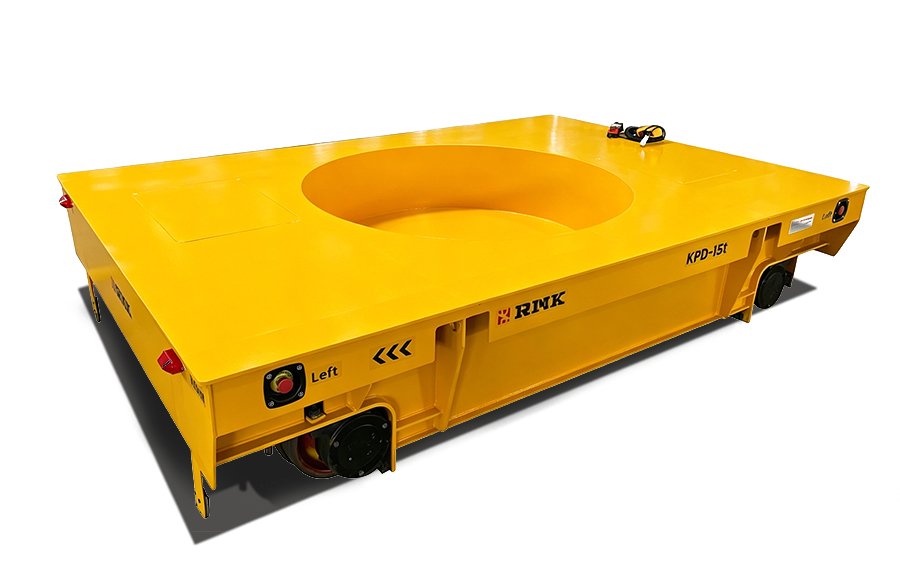
Steel pipe transfer trolley safely moves steel pipes in workshops and yards, ensuring efficient and stable handling for manufacturing and construction sites.Transfer cart for transformer Manufacturing
Transfer cart for transformer manufacturing safely transports heavy transformers and components across production floors to improve efficiency.
Related Products
Steel pipe transfer trolley
Steel pipe transfer trolley safely moves steel pipes in workshops and yards, ensuring efficient and stable handling for manufacturing and construction sites.Transfer cart for transformer Manufacturing
Transfer cart for transformer manufacturing safely transports heavy transformers and components across production floors to improve efficiency.
Hot blog
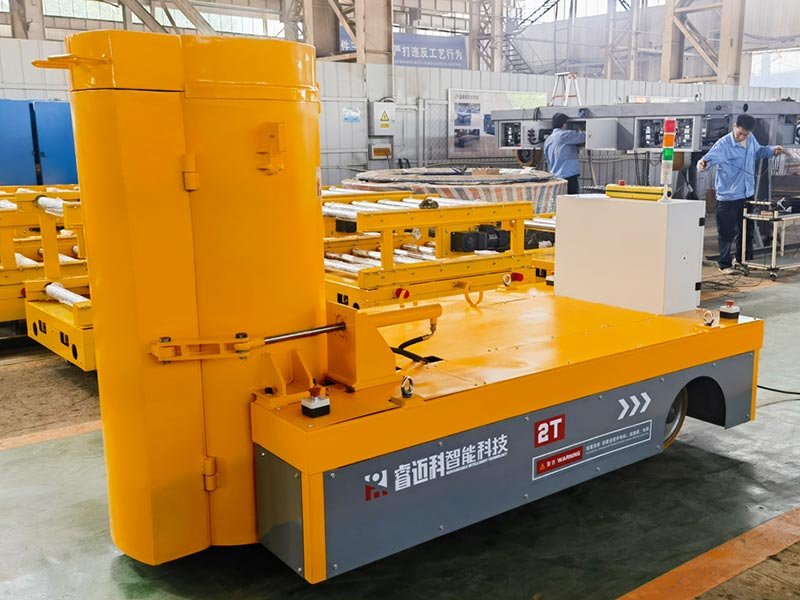
Applications and Solutions for Industrial Material Transfer Carts in Bulk Material Handling
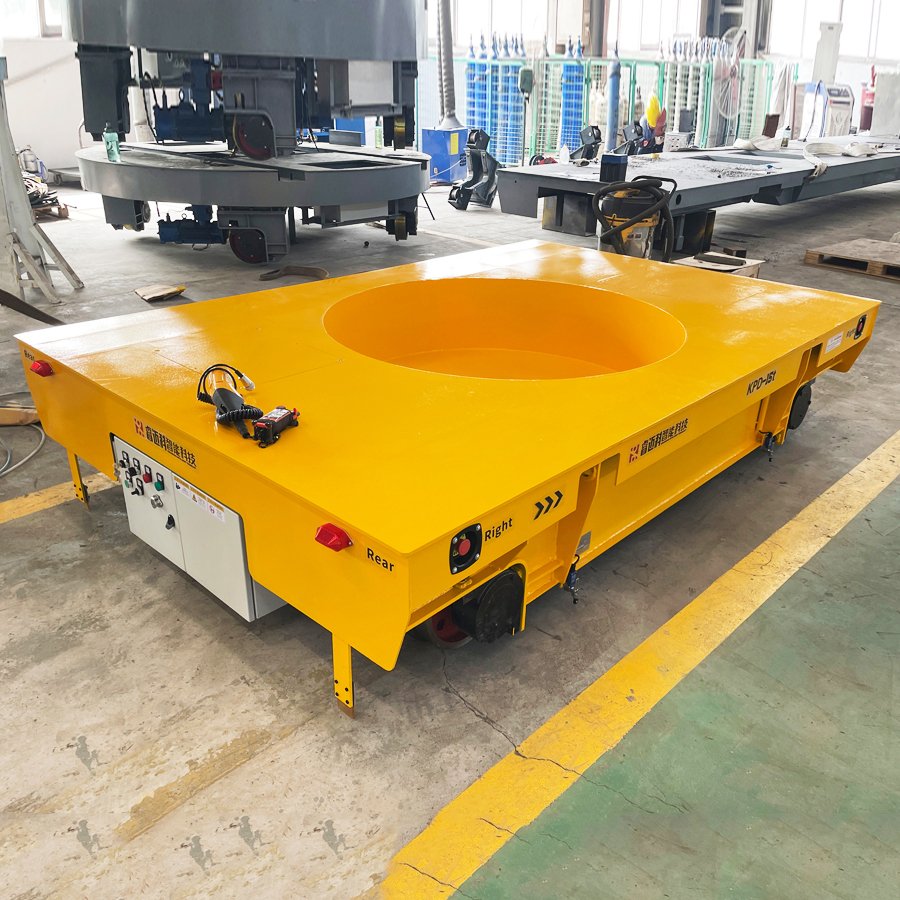
In modern industrial production, efficient material handling plays an important role in maintaining production flow, improving operational efficiency,...How to Choose a Ladle Transfer Cart for Steel Plants?
A ladle transfer cart is a specialized heavy-duty material handling vehicle used in metallurgical, steelmaking, and foundry production...
Hot blog
Applications and Solutions for Industrial Material Transfer Carts in Bulk Material Handling
In modern industrial production, efficient material handling plays an important role in maintaining production flow, improving operational efficiency,...How to Choose a Ladle Transfer Cart for Steel Plants?
A ladle transfer cart is a specialized heavy-duty material handling vehicle used in metallurgical, steelmaking, and foundry production...