
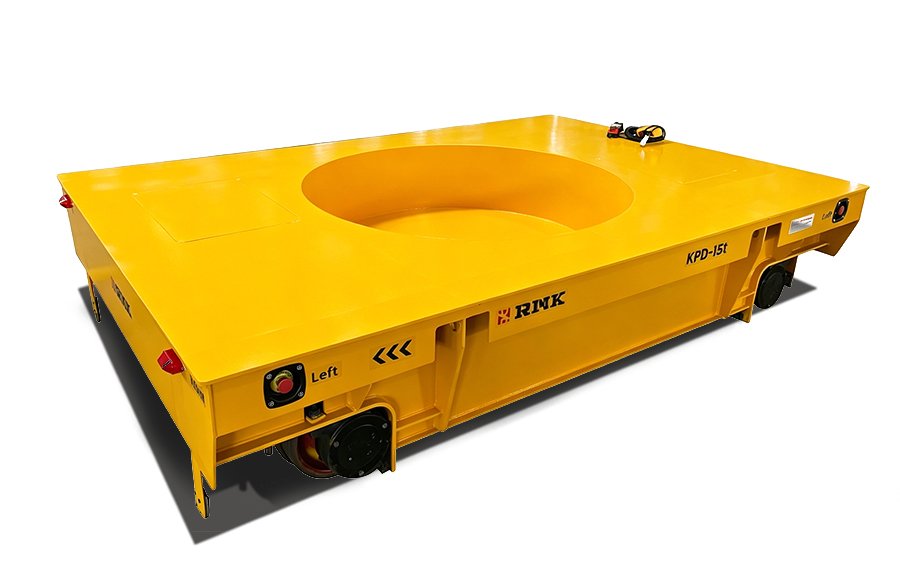
Ladle transfer cart — 15-ton low-voltage rail cart
Ladle Transfer Cart, also referred to as ladle cars, are high-temperature heavy-load transfer equipment exclusive to foundries and iron & steel metallurgy industries. Custom-engineered for small and medium foundries to handle high-frequency, short-distance, multi-condition molten steel transportation and pouring operations.
Built to withstand harsh workshop environments, these vehicles are dedicated to transporting ladles filled with high-temperature molten steel, delivering stable, safe and highly efficient transit throughout the entire operation process.
| Load Capacity |
15 Tons(33069 Ibs). |
| Power type |
Low voltage rail. |
| Application |
Steel ladles, molten steel, steel slag, iron slag, etc. |
| Add-on |
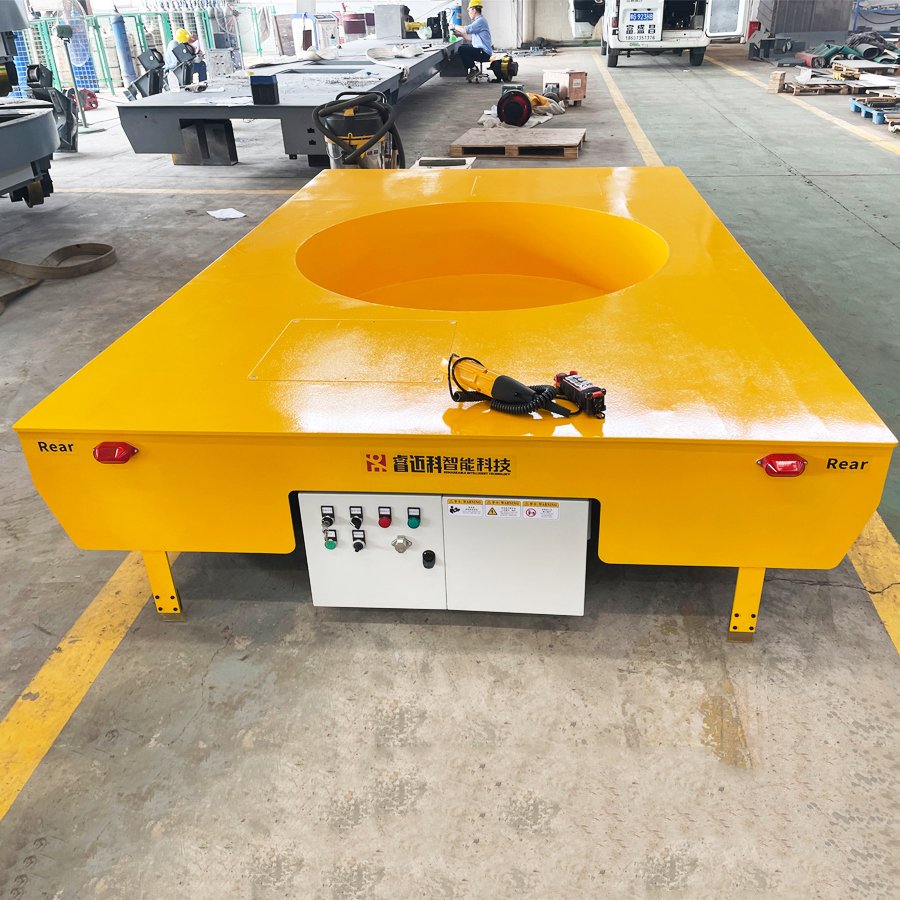
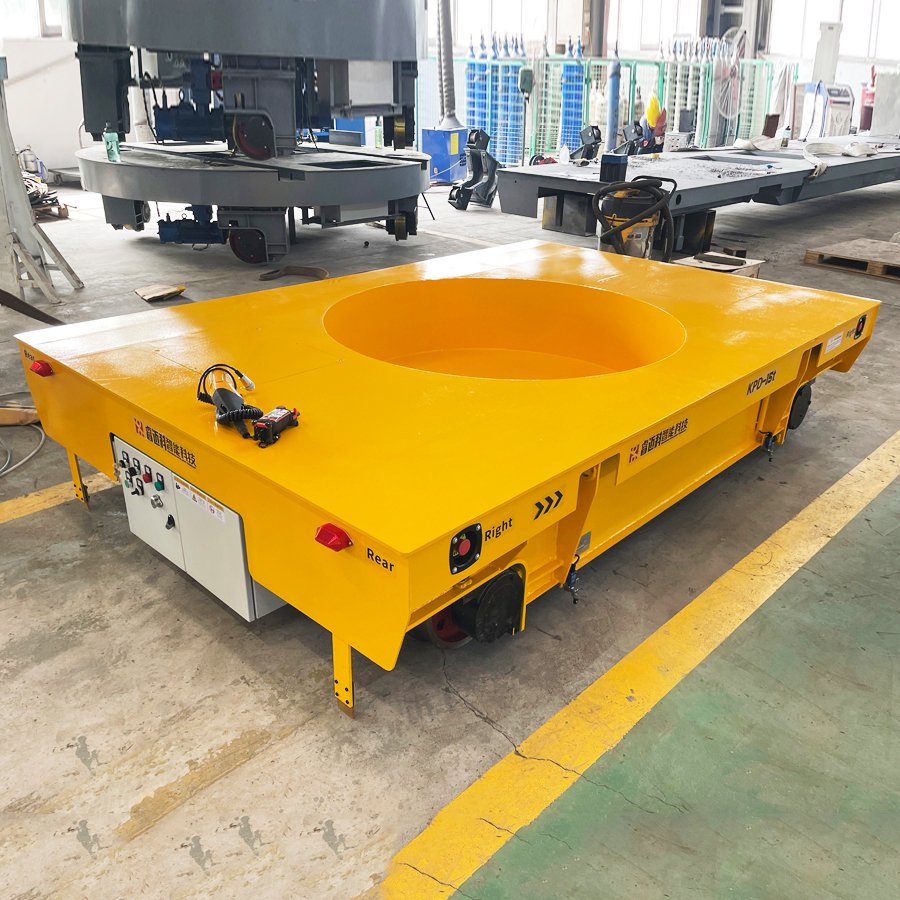
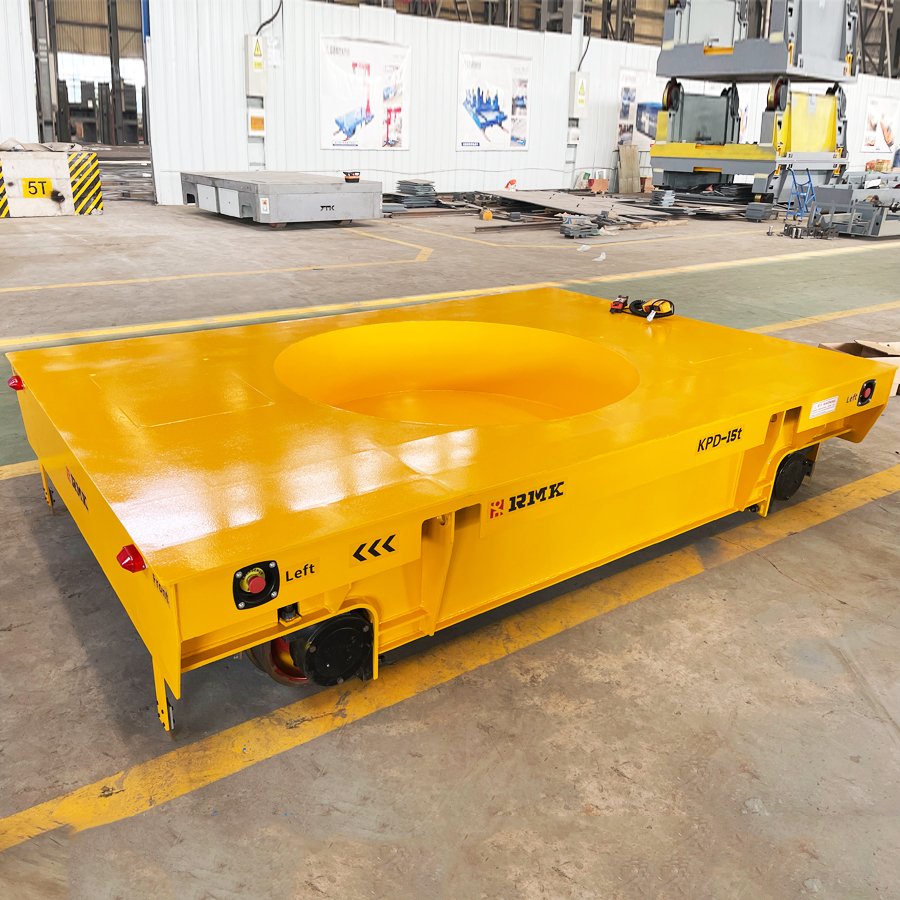
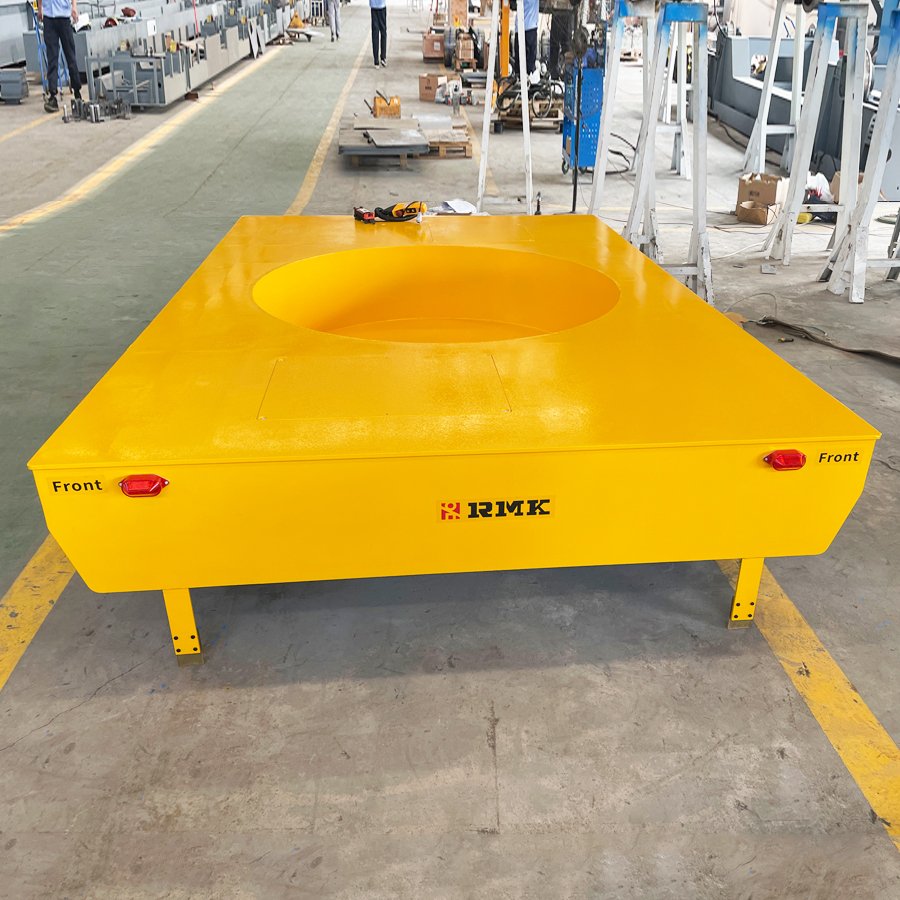
Ladle-specific Circular Recessed Cradle. |
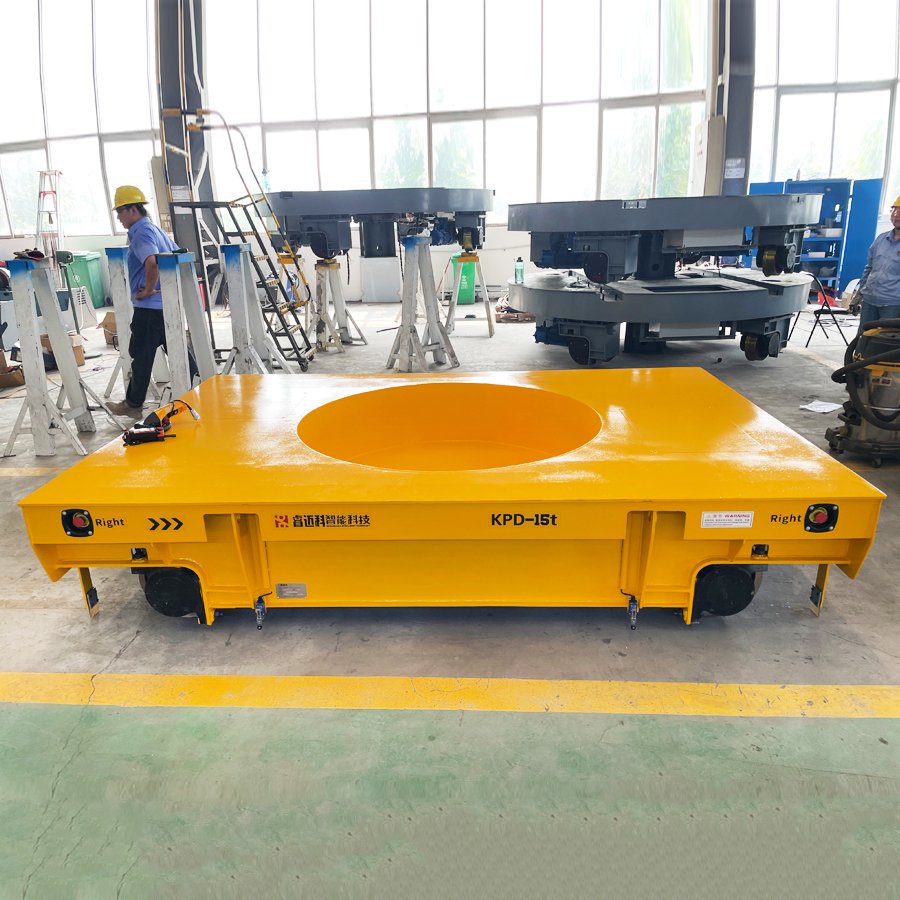
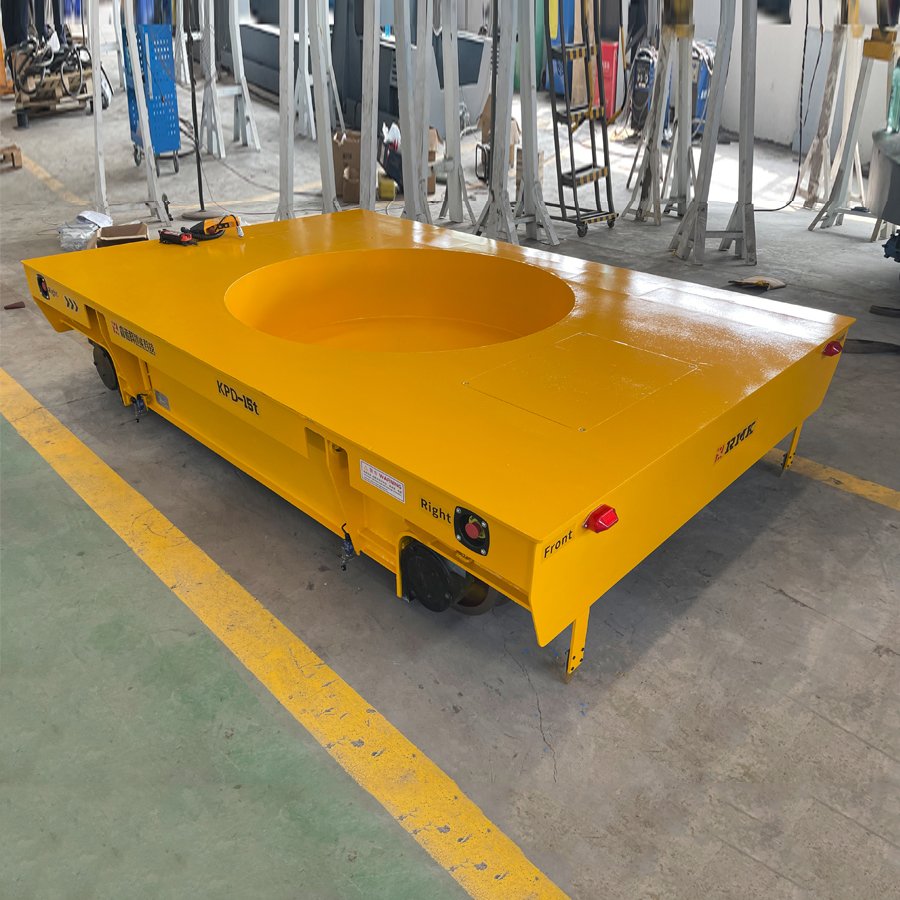
Ladle transfer cart — 15-ton low-voltage rail cart
Ladle Transfer Cart, also referred to as ladle cars, are high-temperature heavy-load transfer equipment exclusive to foundries and iron & steel metallurgy industries. Custom-engineered for small and medium foundries to handle high-frequency, short-distance, multi-condition molten steel transportation and pouring operations.
Built to withstand harsh workshop environments, these vehicles are dedicated to transporting ladles filled with high-temperature molten steel, delivering stable, safe and highly efficient transit throughout the entire operation process.
| Load Capacity |
15 Tons(33069 Ibs). |
| Power type |
Low voltage rail. |
| Application |
Steel ladles, molten steel, steel slag, iron slag, etc. |
| Add-on |
Ladle-specific Circular Recessed Cradle. |
Core Performance Features
Various performances are optimized in accordance with the actual production demands of foundries, making the equipment suitable for short-distance, high-frequency transportation and harsh complex working conditions in casting workshops.
01——
Load-Bearing Capacity
The unit features a high-strength welded steel frame subjected to rigorous flaw detection and compression testing, reliably meeting ladle transport requirements for foundries. Its dual-rail load-bearing structure evenly distributes heavy loads, delivering outstanding impact resistance and deformation stability. It withstands ladle dead weight, shock from sloshing molten steel, and equipment vibration, maintaining distortion-free, fault-free performance under long-term heavy loads to match high-intensity production schedules of casting workshops.
02——
High-Temperature Resistant
Tailored for the harsh casting workshop environment marked by intense thermal radiation, splashing slag, flue gas corrosion and accumulated dust, the machine is fully equipped with comprehensive high-temperature protection. It is fitted with a dedicated explosion-proof motor, and the vehicle body is constructed from heat-resistant special steel. All electrical components of the whole unit are sealed and shielded, which effectively prevents circuit malfunctions and operational stalling caused by casting sand, dust and oxidizing flue gas.
03——
Variable-Frequency Soft Start-Stop
Geared to foundry operational characteristics including frequent start-stop cycles, fixed-point pouring, and short shuttle transport, this unit adopts variable frequency control for gradual acceleration and smooth deceleration. It greatly reduces operating inertia, completely eliminating sloshing, splashing and shifting of molten steel. This function cuts pouring rejects and molten steel waste, raises casting yield, and fits perfectly with various process scenarios ranging from precision casting to standard casting pouring.
04——
Strong Adaptability
Concave load-bearing frames and adjustable ladle supports can be customized to match ladles of various specifications used in foundries. It accommodates a full range of small and medium-sized ladle dimensions, serving multiple pouring processes with a single unit. Furthermore, it navigates narrow workshop aisles, tight-radius turns and uneven ground surfaces smoothly. Unrestricted by site conditions or weather, it operates steadily both indoors and outdoors for casting production.
Application Scope
Ladle transfer carts are suitable for foundries, metallurgical steel mills and metal processing workshops. They are widely used for molten steel transportation, cyclic ladle transfer, as well as steel slag and iron slag haulage between melting furnaces, continuous casters and pouring stations.
These ladle transfer carts support high-frequency short-distance shuttle transportation, and adapt to narrow workshop aisles, small turning radii and slightly sloped floors. Featuring high temperature resistance and dustproof construction, the whole unit operates reliably in high-temperature, dusty workshops, fully meeting daily production demands including molten steel transfer and auxiliary material conveyance.
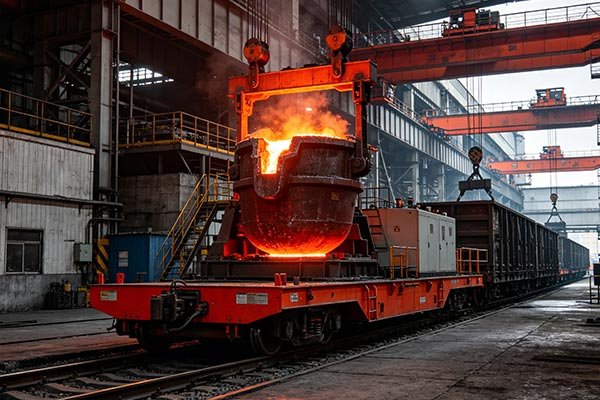
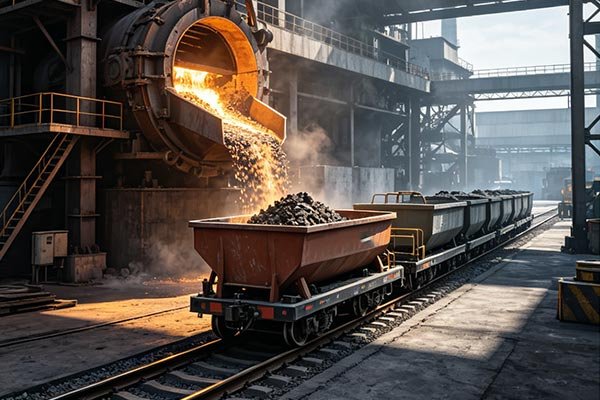
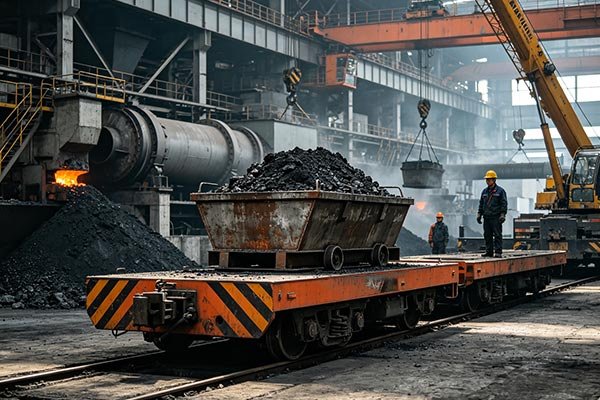
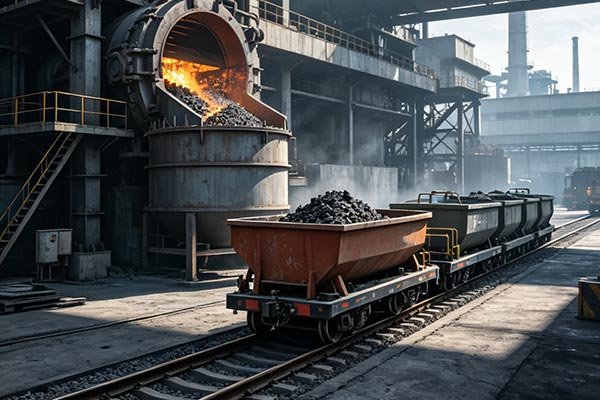
Application Scope
Ladle transfer carts are suitable for foundries, metallurgical steel mills and metal processing workshops. They are widely used for molten steel transportation, cyclic ladle transfer, as well as steel slag and iron slag haulage between melting furnaces, continuous casters and pouring stations.
These ladle transfer carts support high-frequency short-distance shuttle transportation, and adapt to narrow workshop aisles, small turning radii and slightly sloped floors. Featuring high temperature resistance and dustproof construction, the whole unit operates reliably in high-temperature, dusty workshops, fully meeting daily production demands including molten steel transfer and auxiliary material conveyance.
Load-Bearing Mechanism of Ladle Transfer Cart
The core structure of the equipment is engineered exclusively for safe molten steel transportation with multi-layer protection measures, eliminating hazards such as tilting, high-temperature damage and molten steel deviation at the hardware level.
High-Strength Steel Frame
Fabricated via integral welding and subject to rigorous testing and stress relief treatment, this frame delivers exceptional strength and rigidity. It bears heavy ladle loads and operational impacts throughout transportation, resisting deformation and cracking during continuous operation to lay a solid foundation for stable equipment performance.
Anti-Slip Ladle Supports
Customized fixing brackets are contoured to match ladle profiles for precise positioning and firm clamping. They effectively prevent ladle shifting or tilting during transit, startup and shutdown, removing potential safety risks.
Intelligent Leveling Mechanism
Equipped with hydraulic or electro-mechanical leveling assemblies, the system fine-tunes the ladle’s horizontal angle in real time to offset minor ground height differences. It keeps a level ladle at all times, stopping molten steel overflow and pouring deviation to guarantee pouring accuracy and safety.
Thickened Insulation Layers
Special thermal padding lines contact points between ladle supports and the frame. It blocks radiant and conductive heat from molten steel, shielding frame, motor and electric parts from long high heat exposure. This extends equipment service life and allows nonstop operation in extreme heat.
Load-Bearing Mechanism of Ladle Transfer Cart
The core structure of the equipment is engineered exclusively for safe molten steel transportation with multi-layer protection measures, eliminating hazards such as tilting, high-temperature damage and molten steel deviation at the hardware level.
High-Strength Steel Frame
Fabricated via integral welding and subject to rigorous testing and stress relief treatment, this frame delivers exceptional strength and rigidity. It bears heavy ladle loads and operational impacts throughout transportation, resisting deformation and cracking during continuous operation to lay a solid foundation for stable equipment performance.
Heat-Resistant Anti-Slip Ladle Supports
Customized fixing brackets are contoured to match ladle profiles for precise positioning and firm clamping. They effectively prevent ladle shifting or tilting during transit, startup and shutdown, removing potential safety risks.
Intelligent Leveling Mechanism
Equipped with hydraulic or electro-mechanical leveling assemblies, the system fine-tunes the ladle’s horizontal angle in real time to offset minor ground height differences. It keeps a level ladle at all times, stopping molten steel overflow and pouring deviation to guarantee pouring accuracy and safety.
Thickened Insulation Layers
Special thermal padding lines contact points between ladle supports and the frame. It blocks radiant and conductive heat from molten steel, shielding frame, motor and electric parts from long high heat exposure. This extends equipment service life and allows nonstop operation in extreme heat.
Multi-Layer Safety Protection System
Foundry workshops feature numerous high-temperature, high-risk zones with mixed man-machine operations. This unit is fitted with a full-range safety protection system that complies with factory safety audit and environmental assessment standards, fully mitigating operational hazards.
Redundant Dual Drive Protection
Two independent drive systems serve as mutual backups and operate in coordination. If one system suffers failure, the other can independently complete the full process cycle. This prevents costly losses such as mid-transport shutdowns, scrapped solidified steel, and production line halts, matching non-stop production demands of foundries.
Multi-Brake Anti-Rollaway System
Equipped with dual protection of electromagnetic and mechanical brakes, the vehicle locks instantly upon stopping. It reliably avoids sliding or rolling even on slight workshop ramps and bumpy ground. A fiber positioning stop device is also fitted for automatic, precise docking at designated stations with zero alignment error.
Low-Voltage Rail Safe Power Supply
Designed for low-voltage rail power supply suitable for 15-ton loads, it runs on safe rail voltage ideal for humid, dusty, iron-filled foundry environments. No contact hazards, open flames or waste emissions, fully meeting foundry environmental and safety compliance standards.
Infrared Anti-Collision Protection
An infrared sensing anti-collision unit triggers an automatic emergency stop upon detecting personnel or equipment obstacles during operation. Suited for mixed man-machine working areas in foundries, it effectively prevents collision accidents.
Intelligent Monitoring & Remote Control
Standard load detection, customizable temperature sensors, and full-unit fault alarms are integrated. The system real-time monitors load weight, running status and operating temperature to accurately avert risks of overloading and abnormal overheating. The cart supports central control room remote operation and remote emergency stop, allowing operators to stay clear of high-risk zones and secure personnel safety.
Operation Process of Ladle Transfer Carts
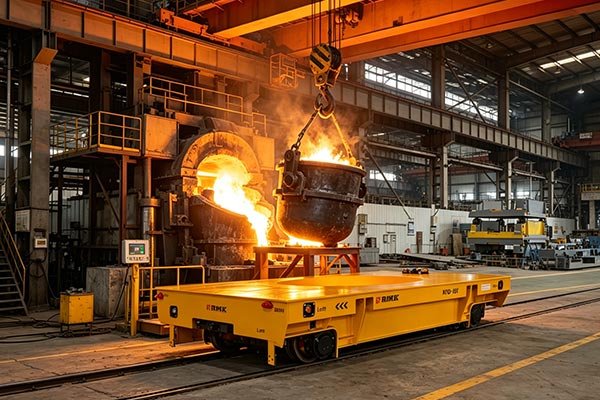
Precise Loading Stage
The vehicle parks at the designated furnace station. A crane accurately lifts and places the ladle onto the transfer car’s load supports. The on-board weighing system detects loads in real time to strictly prohibit overloading, and automatically calibrates the ladle’s horizontal position once loading finishes.
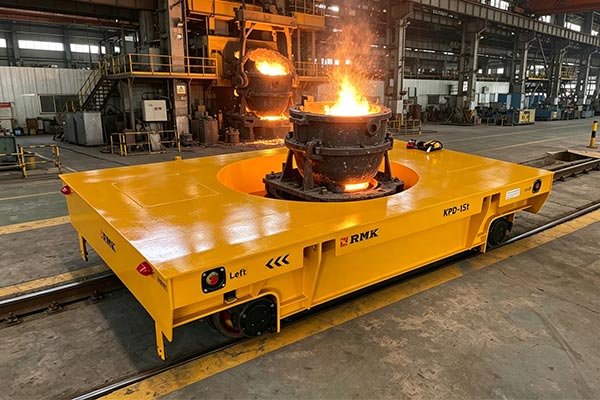
Stable Transportation Stage
Guided by a PLC intelligent control system following pre-set workshop routes, the cart travels at a steady uniform speed via variable frequency regulation. It automatically adjusts travel speed and avoids obstacles, delivering a bump-free, inertia-free transit to keep molten steel stable throughout transport.
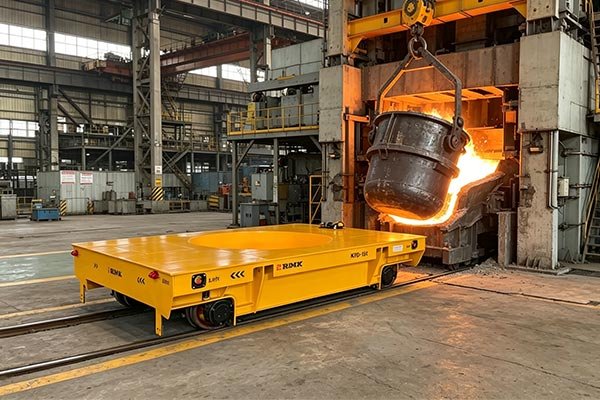
Accurate Unloading Stage
The cart docks precisely at designated positions of continuous casters or pouring zones. Hydraulic or mechanical assemblies lower the ladle slowly and smoothly to prevent sloshing and shifting of molten steel. This completes the full pouring and transfer cycle with seamless, efficient process connection.
Why Foundries Prioritize Rail-Type Ladle Transfer Carts
Thanks to its robust structural design and seamless operational workflow, the rail-mounted ladle transfer cart has become the preferred transportation equipment for the vast majority of foundries.
Reliable Heavy Load Handling
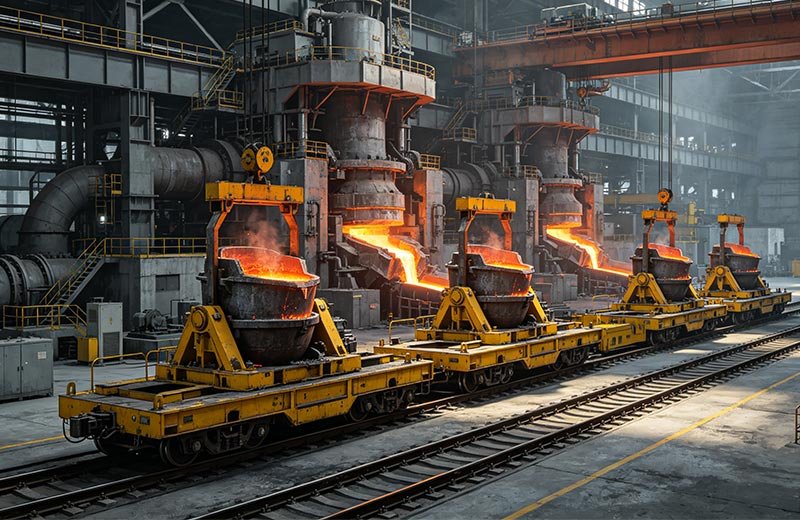
Custom rails support loads exceeding 100 tons with pressure distributed across the dual-rail layout. Constructed from special high-temperature resistant steel and built with a low-center-of-gravity design, these carts boast superior anti-tipping performance compared to wheeled transfer vehicles, making them ideal for heavy-load, high-temperature foundry conditions.
High Precision & Efficiency
Fixed rails establish dedicated routes leading straight to key workstations such as furnaces, continuous casters and pouring stations, bypassing obstructions from workshop machinery and stock to cut transit distances. Designed for round-the-clock operation, the electric system requires no downtime for refueling. Assembly-line operation boosts transfer efficiency by over 40%, matching mass casting demands.
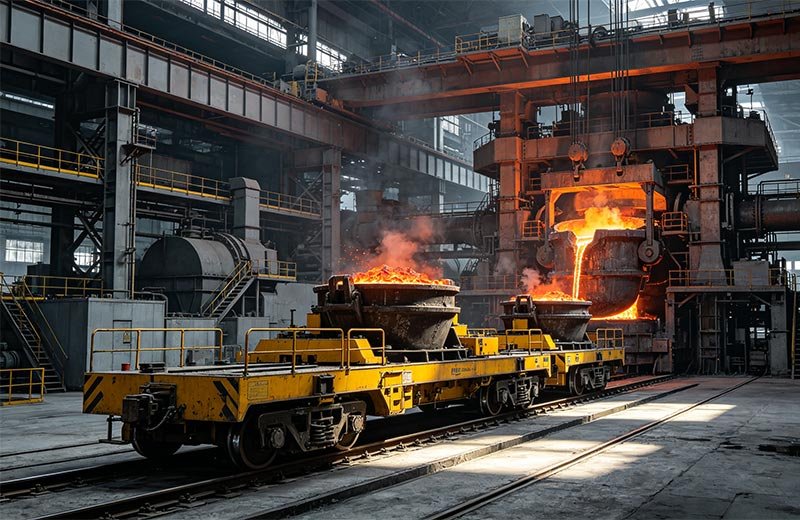
Secure and Controllable Operation
The low-profile structure paired with a hydraulic balancing system completely eliminates risks of ladle tilting and molten steel overflow. Equipped with a full suite of intelligent monitoring, anti-collision, emergency stop and redundant safety systems, every operating phase is trackable and controllable. This drastically reduces the likelihood of safety incidents and product scrap, suiting the high-risk working environment of foundries.
Cost-Effective Long-Term Investment
Rail travel generates minimal wear; the equipment’s failure rate is 60% lower than wheeled vehicles, cutting maintenance expenses and loss from production halts. Fully electric drive delivers great energy efficiency with zero fuel and emissions, meeting environmental standards. It offers better long-term value than conventional transfer equipment.
Why Foundries Prioritize Rail-Type Ladle Transfer Carts
Thanks to its robust structural design and seamless operational workflow, the rail-mounted ladle transfer cart has become the preferred transportation equipment for the vast majority of foundries.
Reliable Heavy Load Handling
Custom rails support loads exceeding 100 tons with pressure distributed across the dual-rail layout. Constructed from special high-temperature resistant steel and built with a low-center-of-gravity design, these carts boast superior anti-tipping performance compared to wheeled transfer vehicles, making them ideal for heavy-load, high-temperature foundry conditions.
High Precision & Efficiency
Fixed rails establish dedicated routes leading straight to key workstations such as furnaces, continuous casters and pouring stations, bypassing obstructions from workshop machinery and stock to cut transit distances. Designed for round-the-clock operation, the electric system requires no downtime for refueling. Assembly-line operation boosts transfer efficiency by over 40%, matching mass casting demands.
Secure and Controllable Operation
The low-profile structure paired with a hydraulic balancing system completely eliminates risks of ladle tilting and molten steel overflow. Equipped with a full suite of intelligent monitoring, anti-collision, emergency stop and redundant safety systems, every operating phase is trackable and controllable. This drastically reduces the likelihood of safety incidents and product scrap, suiting the high-risk working environment of foundries.
Cost-Effective Long-Term Investment
Rail travel generates minimal wear; the equipment’s failure rate is 60% lower than wheeled vehicles, cutting maintenance expenses and loss from production halts. Fully electric drive delivers great energy efficiency with zero fuel and emissions, meeting environmental standards. It offers better long-term value than conventional transfer equipment.
Objective Limitations of Ladle Transfer Carts
To provide authentic product information and reliable reference for equipment selection, the applicable constraints of this unit are stated objectively to help manufacturers choose models according to actual demands.
Strict Requirements for Rail Installation
The cart runs on dedicated rails which require insulation and reinforcement treatment. The pre-installation procedures are relatively complicated, leading to a slight rise in infrastructure construction costs.
Modifications Required for Long-Distance Transport
For extended hauling distances within the workshop, additional transformers need to be installed to offset voltage drop along the rails. This maintains stable power output and prevents insufficient power during long-distance operation.
Slightly Higher Customization Costs
Built with high-temperature resistant, high-strength special materials and equipped with multi-layer safety protection structures, the vehicle carries a marginally higher upfront purchase price than basic standard transfer carts. Nevertheless, it delivers remarkable advantages in long-term maintenance expenses and overall production benefits.
FAQ
Ladle transfer cart are custom-engineered exclusively for molten steel transportation in foundries, resolving core industry pain points. They address key operational demands including confined workspace, frequent start-stop cycles, dusty high-temperature environments, mixed man-machine workflows, strict defect control, as well as cost reduction and efficiency improvement. Featuring safety compliance, reliable durability and easy maintenance, they serve as the optimal replacement for conventional transfer equipment in casting workshops, boosting pouring quality and minimizing operational safety risks.
Related Products
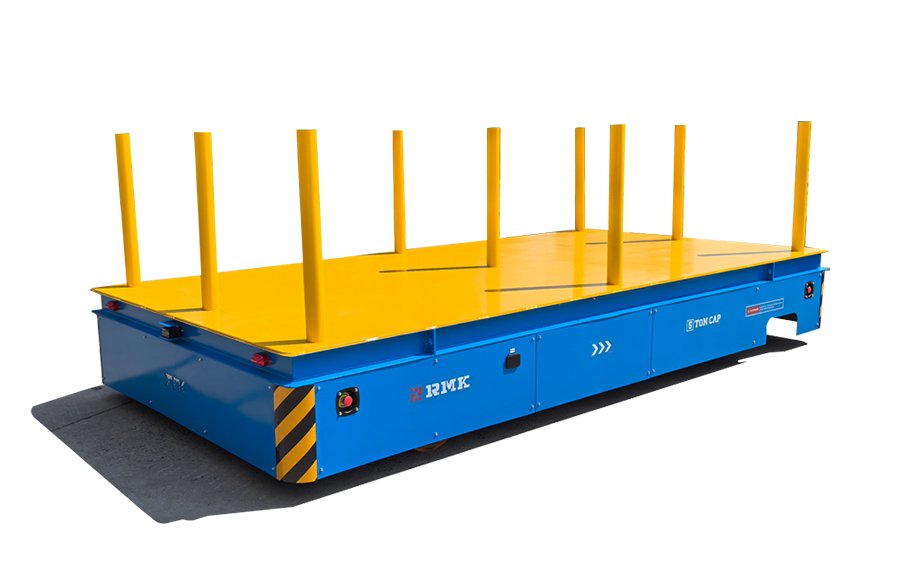
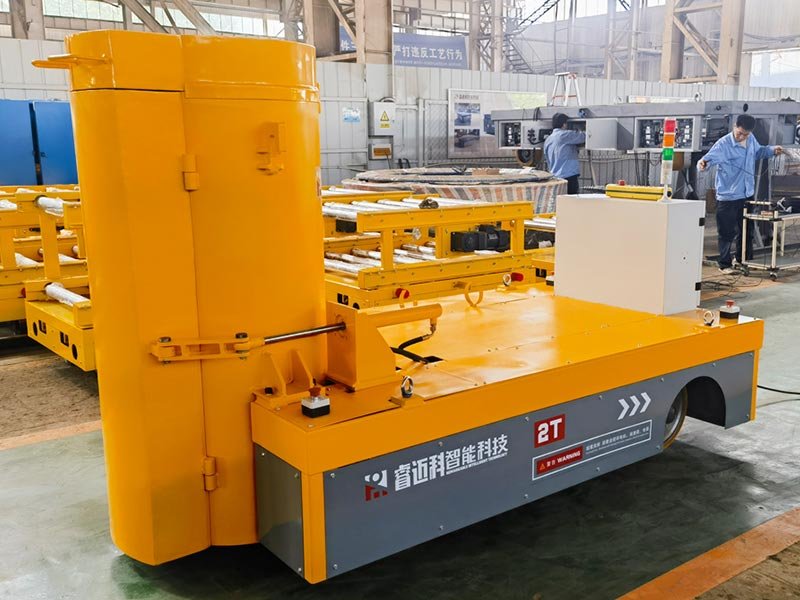
Steel pipe transfer trolley
Steel pipe transfer trolley safely moves steel pipes in workshops and yards, ensuring efficient and stable handling for manufacturing and construction sites.Transfer cart for transformer Manufacturing
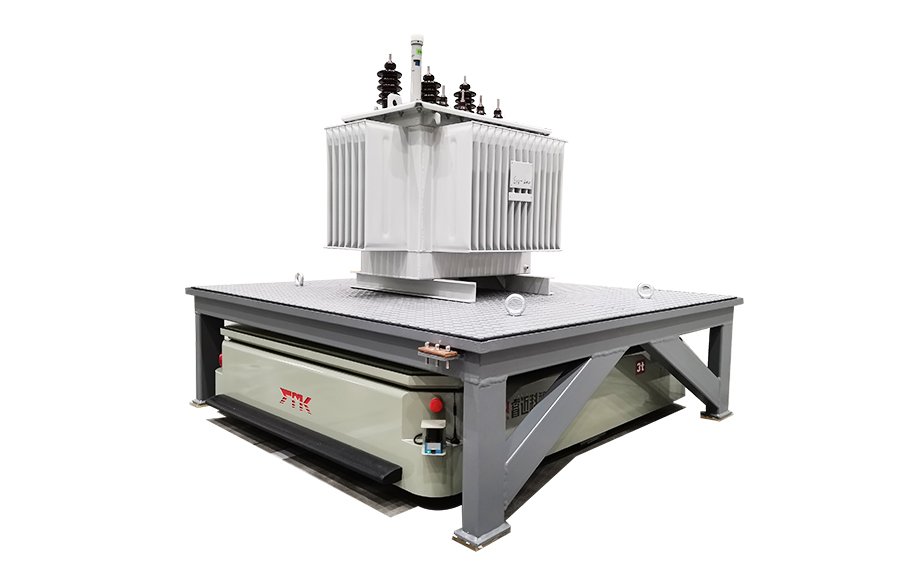
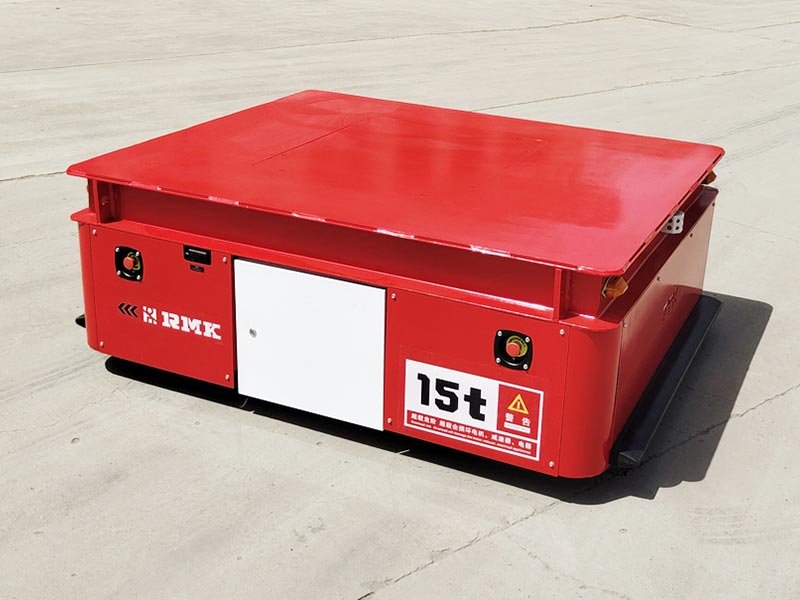
Transfer cart for transformer manufacturing safely transports heavy transformers and components across production floors to improve efficiency.
Related Products
Steel pipe transfer trolley
Steel pipe transfer trolley safely moves steel pipes in workshops and yards, ensuring efficient and stable handling for manufacturing and construction sites.Transfer cart for transformer Manufacturing
Transfer cart for transformer manufacturing safely transports heavy transformers and components across production floors to improve efficiency.
Hot blog
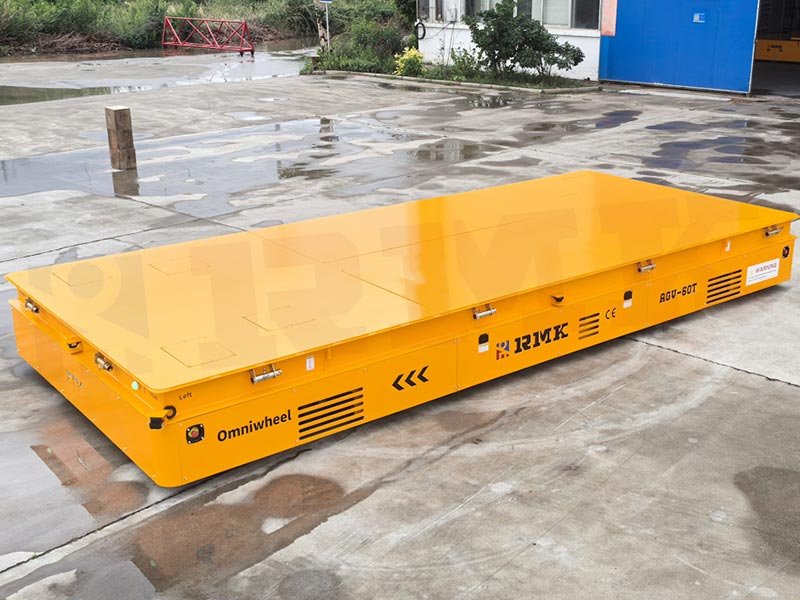
Applications and Solutions for Industrial Material Transfer Carts in Bulk Material Handling
In modern industrial production, efficient material handling plays an important role in maintaining production flow, improving operational efficiency,...How to Choose a Ladle Transfer Cart for Steel Plants?
A ladle transfer cart is a specialized heavy-duty material handling vehicle used in metallurgical, steelmaking, and foundry production...
Hot blog
Applications and Solutions for Industrial Material Transfer Carts in Bulk Material Handling
In modern industrial production, efficient material handling plays an important role in maintaining production flow, improving operational efficiency,...How to Choose a Ladle Transfer Cart for Steel Plants?
A ladle transfer cart is a specialized heavy-duty material handling vehicle used in metallurgical, steelmaking, and foundry production...