
Improve the material handling efficiency of coil transfer cart
What is a Coil transfer cart?
In modern industrial production, coiled materials (such as steel coils, aluminum coils, paper rolls, film rolls, etc.) are widely used. The safe and efficient handling of these heavy, cylindrical and easily rolling loads has long been a challenge in material flow operations.
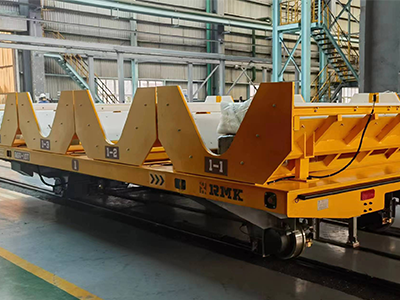
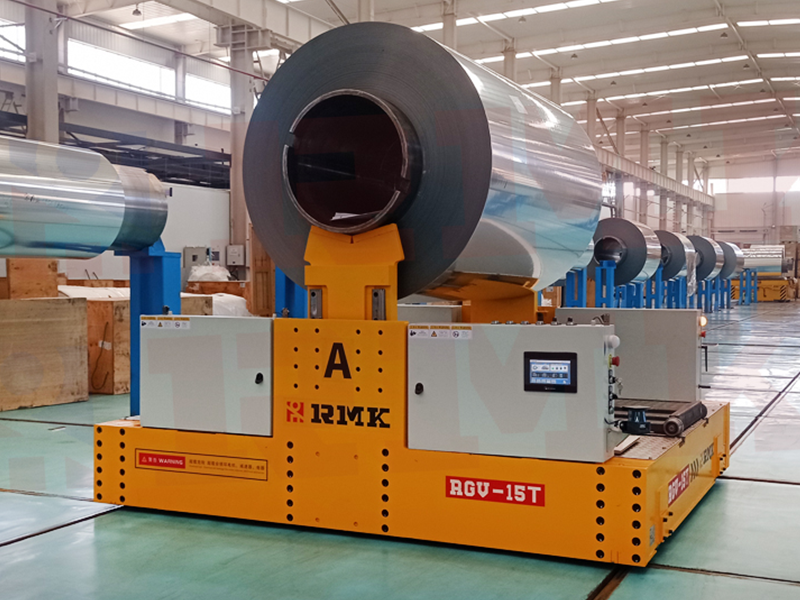
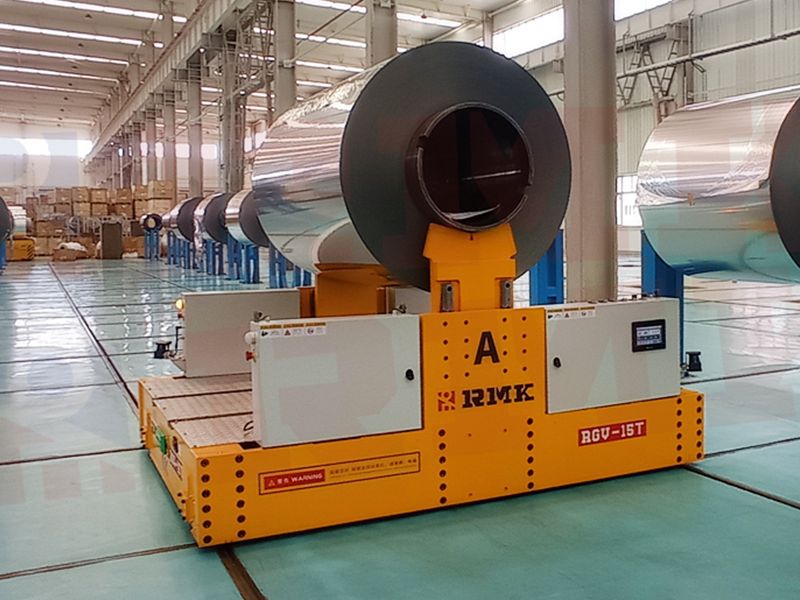
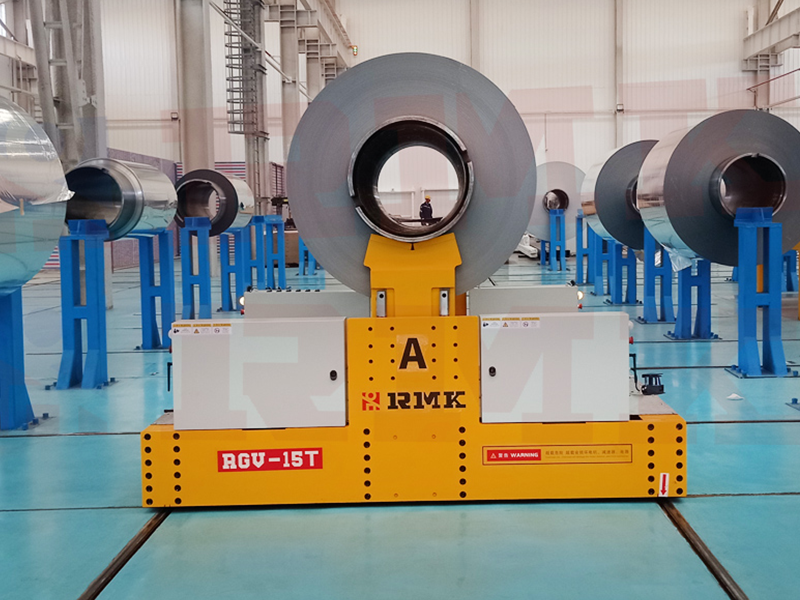
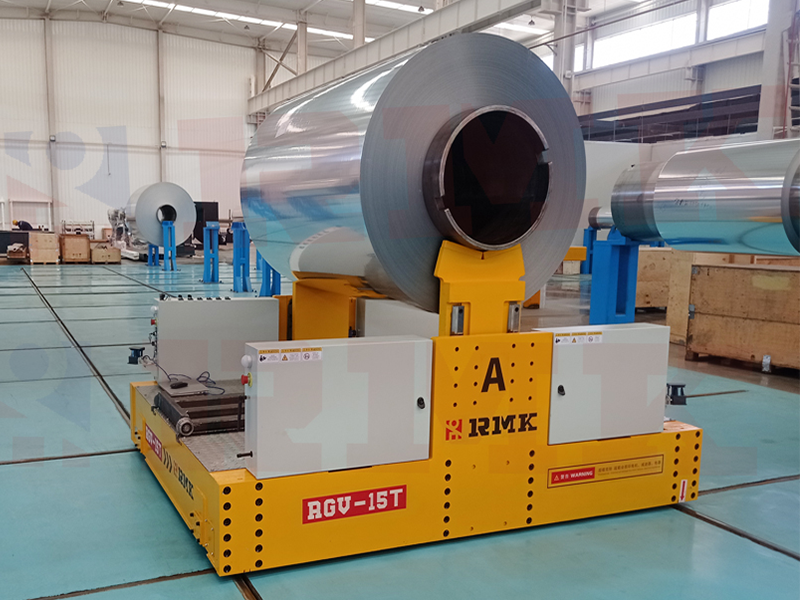
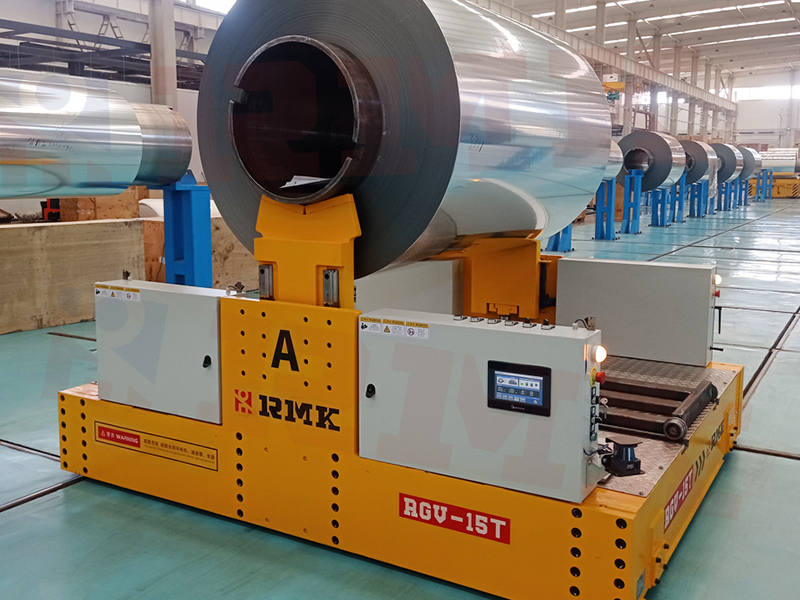
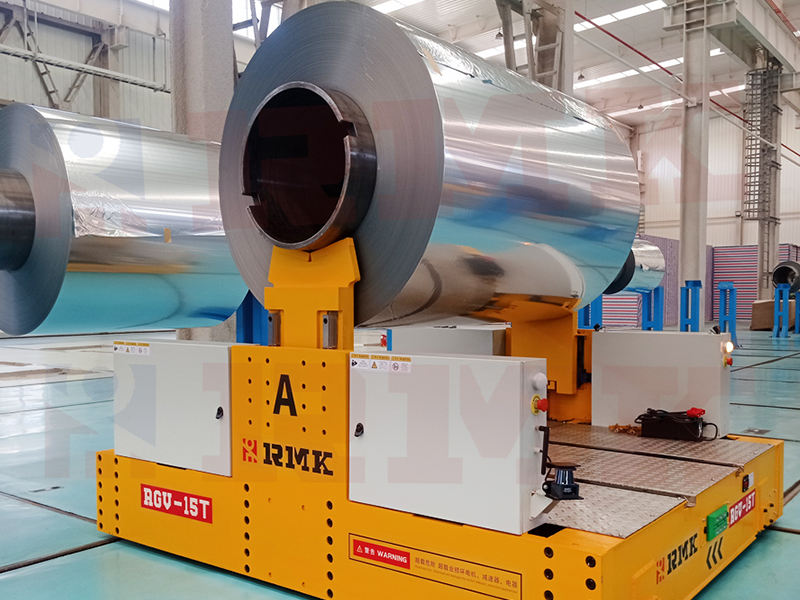
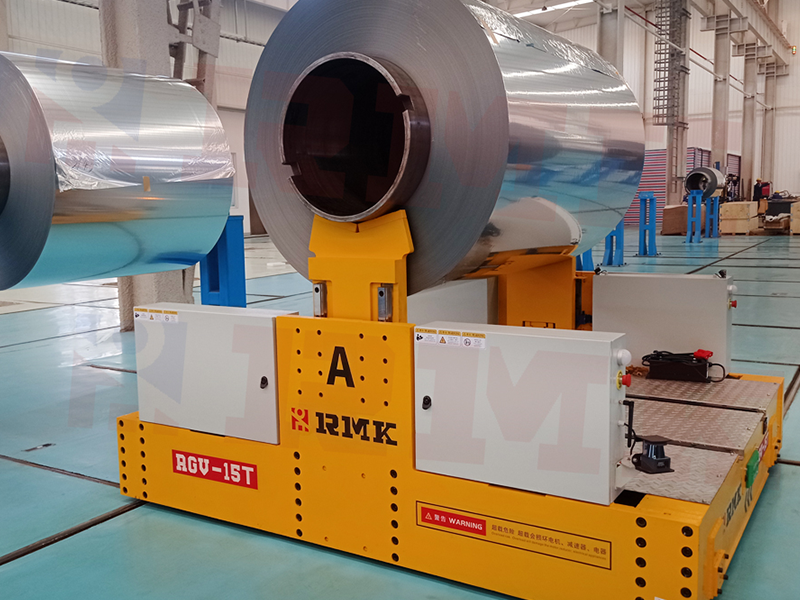
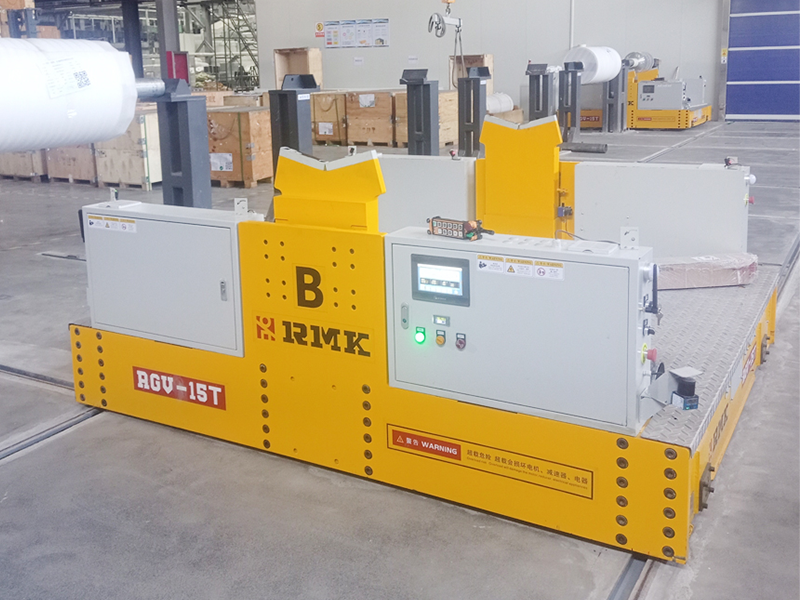
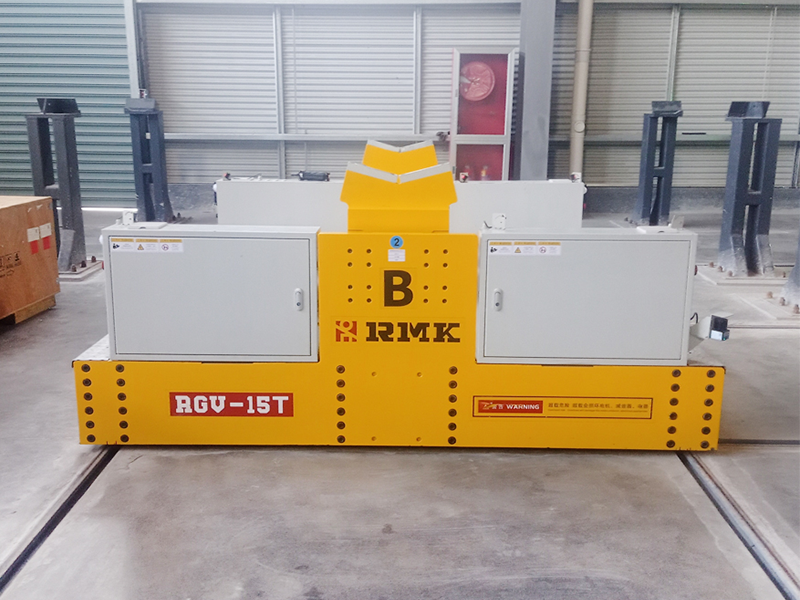
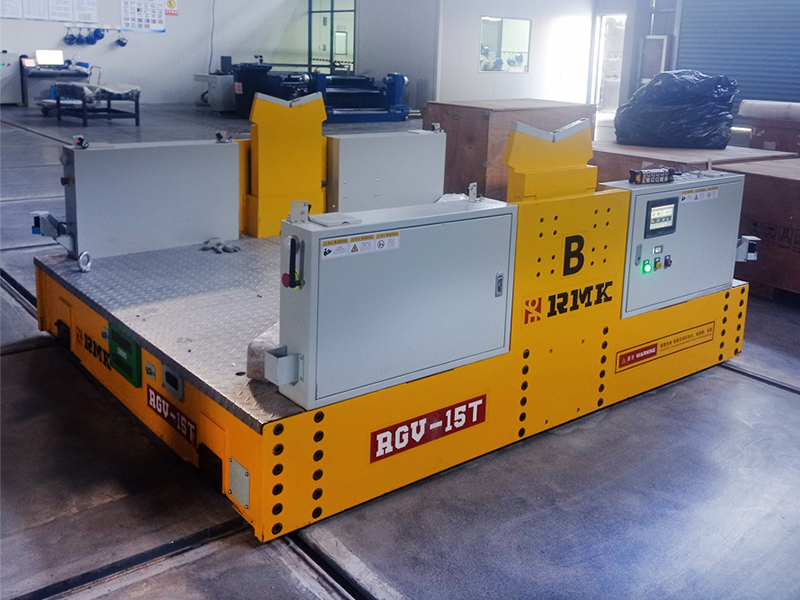
As a specialized handling solution designed specifically to address this pain point, Coil transfer cart are equipped with unique U-shaped or V-shaped supports to effectively prevent coils from rolling or getting damaged during transit. They are adaptable to a wide range of scenarios, including inter-process connection within workshops, warehouse loading and unloading, and cross-area material dispatch.
Featuring customized load-bearing structures and intelligent drive systems, these transfer cars effectively resolve common issues associated with traditional handling methods, such as coil slippage, low positioning accuracy, and high reliance on manual labor. As such, they have become indispensable key equipment in modern industrial logistics.
Core Components & Features
| Core components | Specific configuration / selection | Specific feature description |
|---|---|---|
| Body structure | High-strength steel frame | The use of box girder or truss structures ensures that the structure does not deform under heavy loads. |
| Low center of gravity design | Increase operational stability and prevent rollover | |
| Custom saddles | Custom-made V-shaped saddles, curved supports, or flat panels with guardrails are provided based on the dimensions (width, diameter) of the roll material to ensure the roll material is securely fixed and the stress is evenly distributed. | |
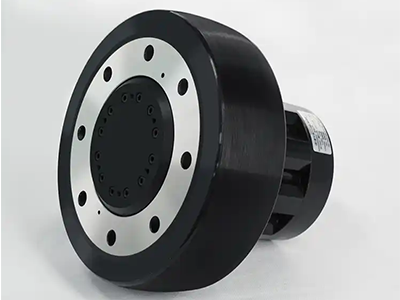
| Drive system | Drive mode | Typically, the wheels are driven by either an electric motor and a speed reducer or by hydraulic drive. Hydraulic drive is commonly used for heavy-duty applications due to its high torque and smooth operation. |
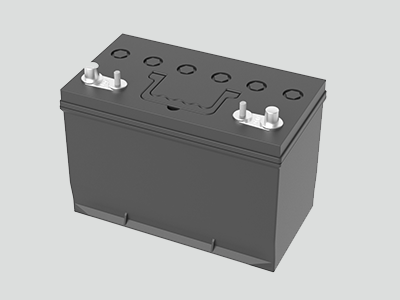
| Power system | Storage batteries (mainstream choice) | Powered by lead-acid or lithium batteries, it offers excellent mobility, has no towing restrictions, and is environmentally friendly with zero emissions. |
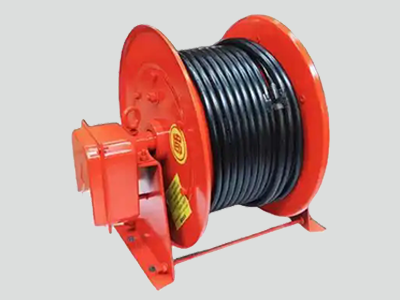
| Cable reel | Suitable for long-distance, fixed-route operation, with continuous power supply but limited range of movement. | |
| Low-voltage rail power supply | Safe, but requires trenching in the ground, resulting in poor flexibility. | |
| Safety and protection systems | Mechanical roll cage/stop | Physical barrier to the rolling of steel coils |
| Hydraulic or mechanical locking device | During transportation, the steel coils should be actively clamped or compressed. | |
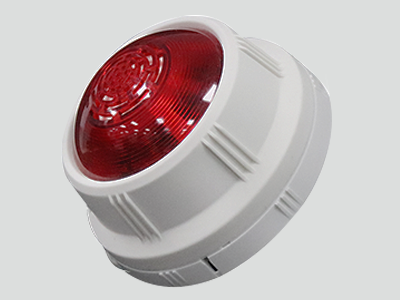
| Audible and visual alarm | Remind people around when running | |
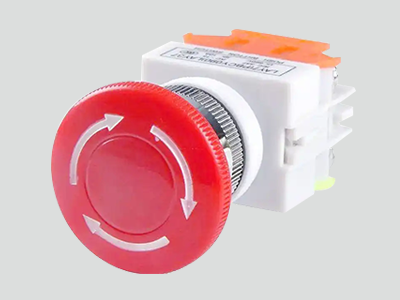
| Emergency stop button | Multiple settings for emergency braking | |
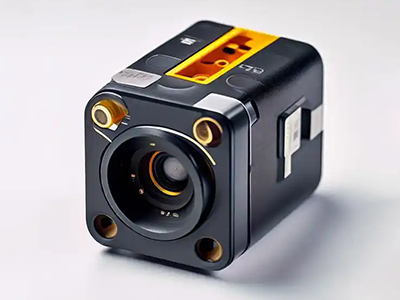
| Anti-collision system | Laser or ultrasonic sensors automatically decelerate/stop when approaching obstacles. |
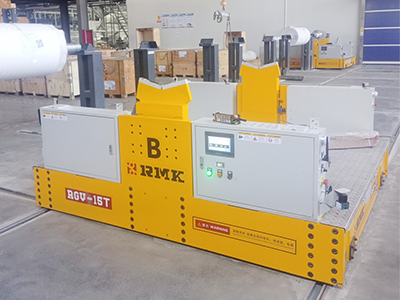
Applications of Coil transfer trolley
Coil transfer carts are specialized equipment designed for the handling of cylindrical materials in industrial logistics. Their core purpose is to ensure the safe and efficient movement of coiled products.
Important tips
Defining the application scenario is a prerequisite for targeted efficiency improvement. Different scenarios have distinct pain points for efficiency (e.g., flexible steering is required in the workshop, while load-bearing stability is needed in the storage area), so optimization directions must be precisely matched accordingly.
Main Features and Advantages of Coil Transfer Cart
Anti-slip Design
Equipped with V-shaped saddles to secure cylindrical materials, reducing the risk of rolling and slipping during transportation.
Stable Heavy-duty Operation
Low center of gravity design prevents rollover under heavy loads. Soft protective linings on contact surfaces avoid scratches, indentations and deformation, effectively preserving coil surface quality.
Flexible Movement
Available in rail-mounted or trackless versions, supporting 360° steering and on-the-spot rotation. Ideal for narrow workshops and complex routes without requiring large turning radii, improving space utilization.
Safety and Reliability
Fitted with emergency stop, anti-collision, audible-visual alarm and limit protection functions. Runs smoothly under heavy loads and eliminates the risk of coil falling.
High Degree of Automation
Supports remote control, semi-automatic and fully automatic operation. Can be integrated with production lines for unmanned material transfer, fully replacing heavy manual labor.
Customizable Solutions
Optional hydraulic lifting, rotating platforms and clamping devices to precisely match coils of different diameters and weights.
Easy Maintenance
Sturdy and durable structure with few wearing parts, resulting in low long-term operating costs and ensuring consistent, efficient performance.
How to Improve Material Handling Efficiency with Coil transfer cart
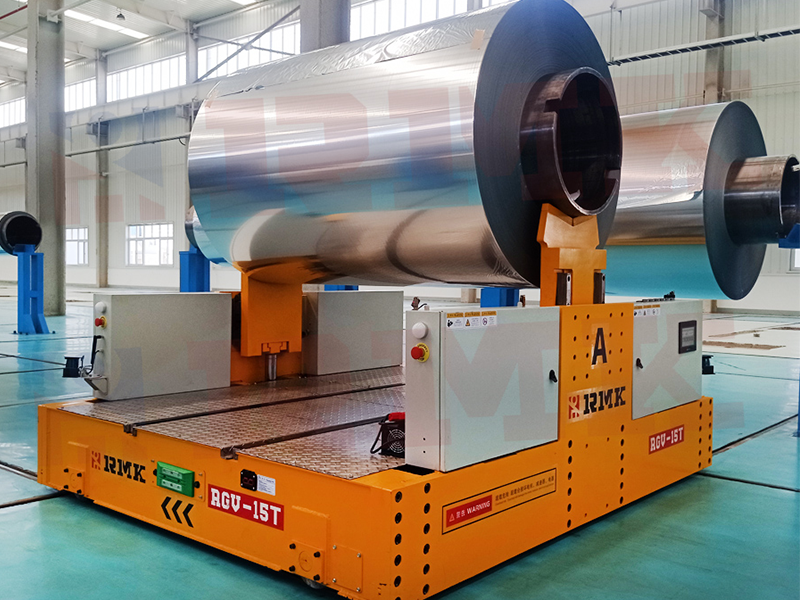
Transfer cars for coils are purpose-built for cylindrical materials. Through customized structures, automated controls and optimized transport routes, they speed up the entire workflow from loading, transfer and positioning to storage, significantly improving handling efficiency.
Optimize Path Planning
For rail-mounted transfer cars: rationally design track layouts to reduce turns and waiting time.
For trackless transfer cars: use navigation technologies (magnetic tape, laser or vision navigation, etc.) or dedicated routes to avoid cross-interference with other logistics flows.
Standard Operating Procedures
Establish detailed protocols for loading, securing, transporting and positioning.
Train operators to master remote control and emergency response procedures.
Promote quick-locking devices to reduce cycle time for each load.
Equipment Maintenance
Regularly inspect battery level, motor condition, wheel wear and control system responsiveness.
Keep support saddles clean and functional, ensuring adjustment mechanisms operate smoothly.
Preventive maintenance minimizes downtime and ensures continuous operation.
Information Integration
Connect transfer cars to the shop floor MES (Manufacturing Execution System) or WMS (Warehouse Management System) for automatic task assignment, real-time location tracking and status monitoring.
Use data analysis to identify bottlenecks and continuously optimize scheduling strategies.
Proper Quantity and Model Selection
Scientifically calculate the required number and load capacity based on production tempo and handling volume to avoid idle equipment or shortages.
Select the most suitable models for different processes:
Heavy-duty rail cars for inter-factory transport
Light-duty trackless cars for line-side material delivery
Choose and Use the Right Transfer cars for coils to Double Efficiency
There is no single “best” model for Coil transfer trolley. Instead, selection must be based on core factors including production requirements, material characteristics and workshop environment. Only when the equipment is fully matched to its application scenario can it truly maximize handling efficiency.
Conclusion
Improving coil transfer efficiency depends on selecting the right equipment and using it properly. On one hand, it is essential to choose a transfer car with anti-slip, high-stability and intelligent features based on coil characteristics and workshop conditions. On the other hand, optimized routing, standardized operation and regular maintenance are required to fully maximize equipment performance.
Using coil transfer cart not only prevents coils from rolling or slipping during handling, but also enables seamless material flow. This provides solid support for enterprises to reduce costs, improve efficiency and ensure production safety, while helping industrial logistics evolve toward greater intelligence and efficiency.
FAQ
References & Sources
1. Hydraulic drive-SCRIBD
2. Lithium battery-The United States government
3. Audible and visual alarm-Code of Federal Regulations