
What Are the Differences Between AGV and AMR?
For enterprises in manufacturing and logistics & warehousing, Automated Guided Vehicles (AGVs) rely on fixed paths and infrastructure, making them suitable for material handling scenarios with stable processes and high repeatability. In contrast, Autonomous Mobile Robots (AMRs) achieve infrastructure-free autonomous navigation through sensors and artificial intelligence, offering distinct advantages in flexibility, scalability, and human-robot collaboration, and adapting well to dynamically changing operating environments. This paper breaks down the differences between the two across core dimensions including navigation technology, flexibility, safety, and compliance, providing a decision-making basis for enterprises to optimize return on investment and operational efficiency.
Core Definitions and Navigation Technologies
AGV(Automated Guided Vehicle)
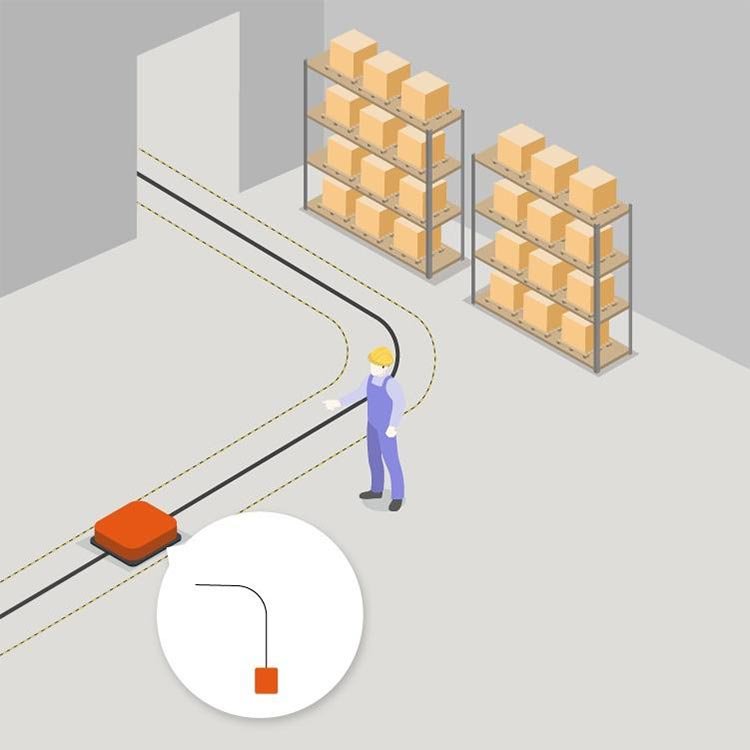
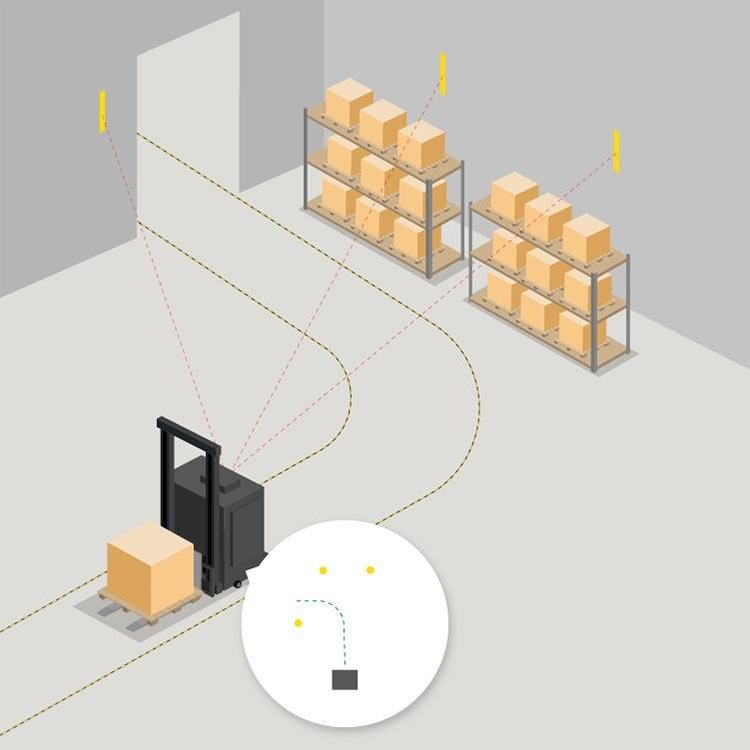
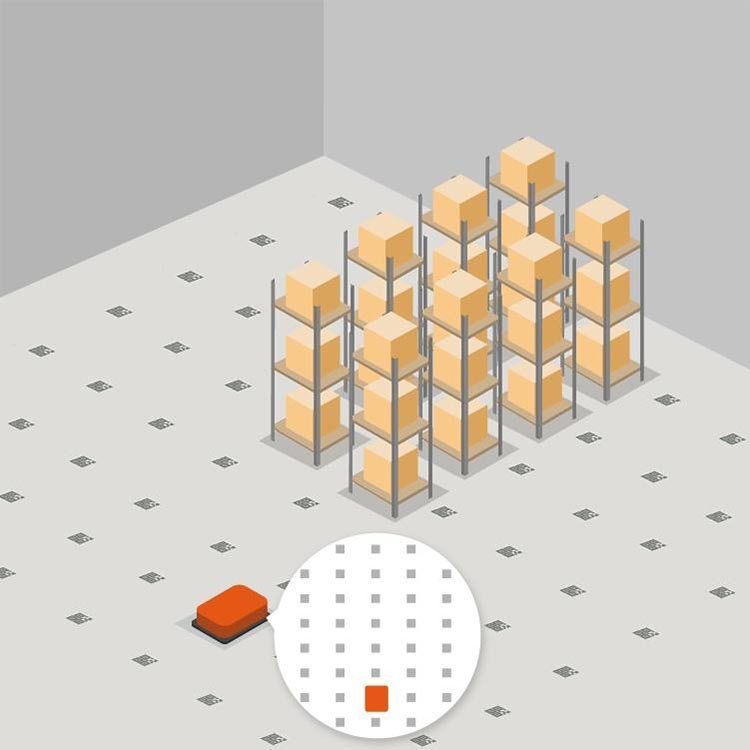
AMR(Autonomous Mobile Robot)
Flexibility and Adaptability
AGV
- Path Characteristics: Routes require pre‑planning and rely on physical guidance media such as magnetic tapes and reflectors for tracking. Route adjustments involve modifying or reinstalling guidance infrastructure, resulting in short‑term downtime and corresponding retrofit costs.
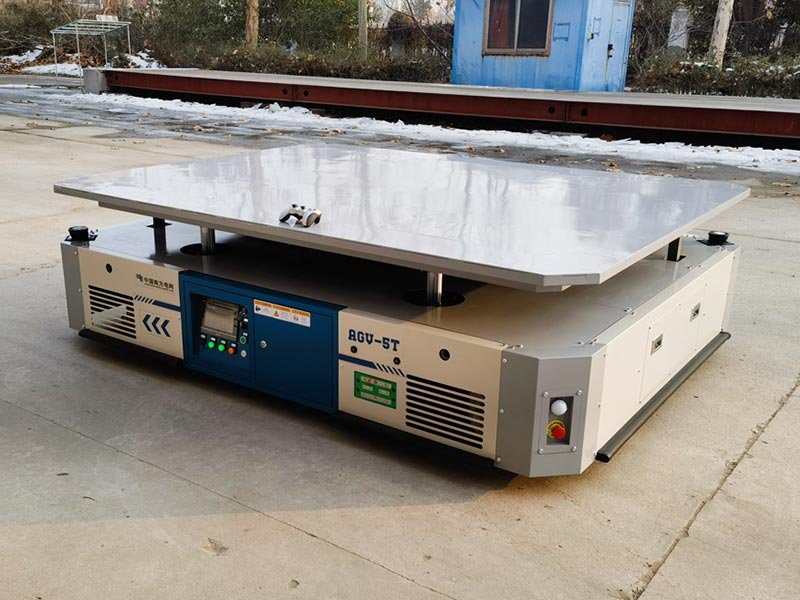
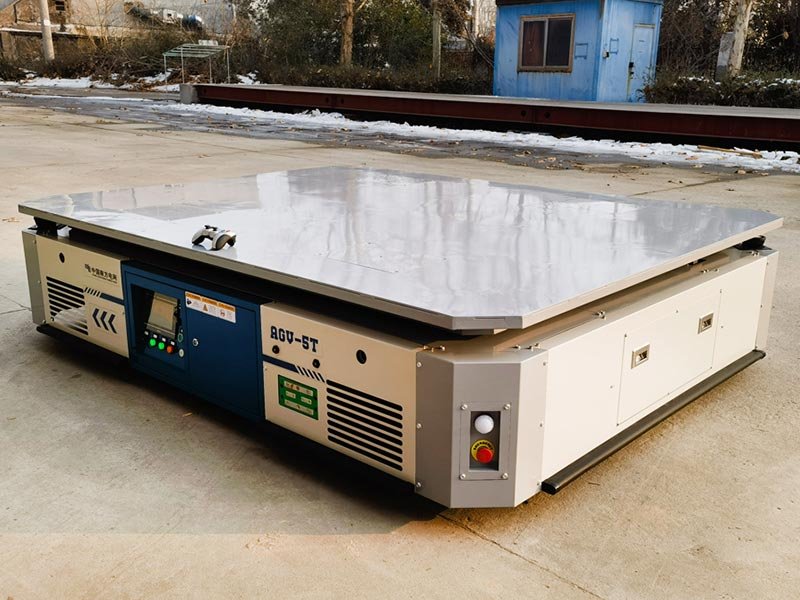
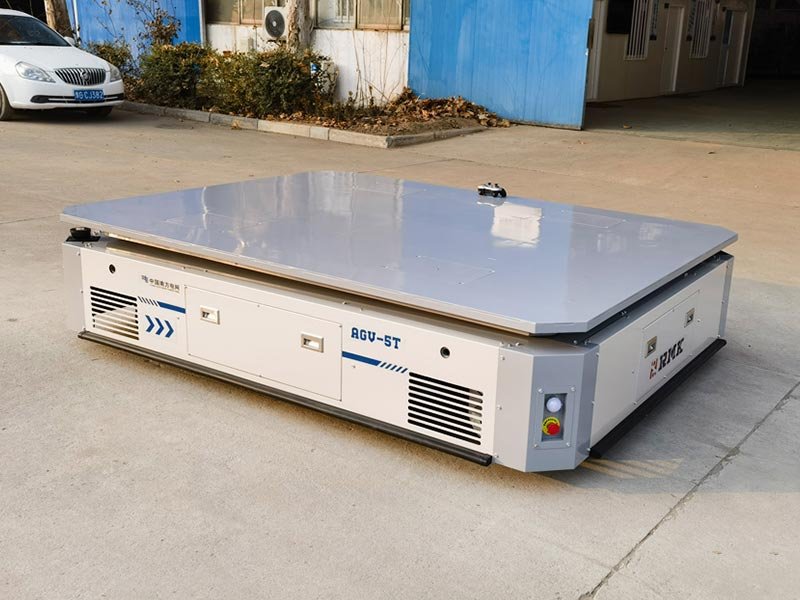
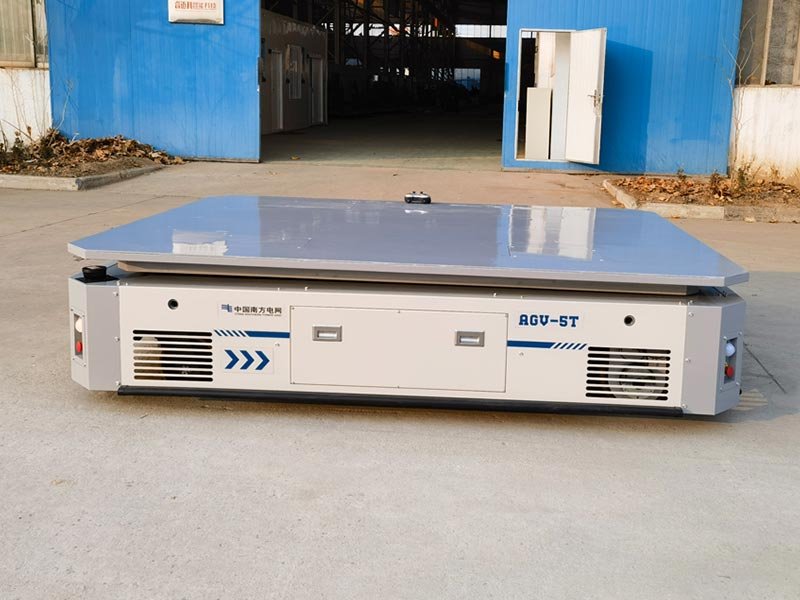
- Obstacle Avoidance Capability: Equipped with dual protection including laser obstacle‑avoidance sensors and physical anti‑collision bumpers. When encountering obstacles, the AGV can perform graded deceleration, stop, or detour locally, rather than only passively halting and waiting.
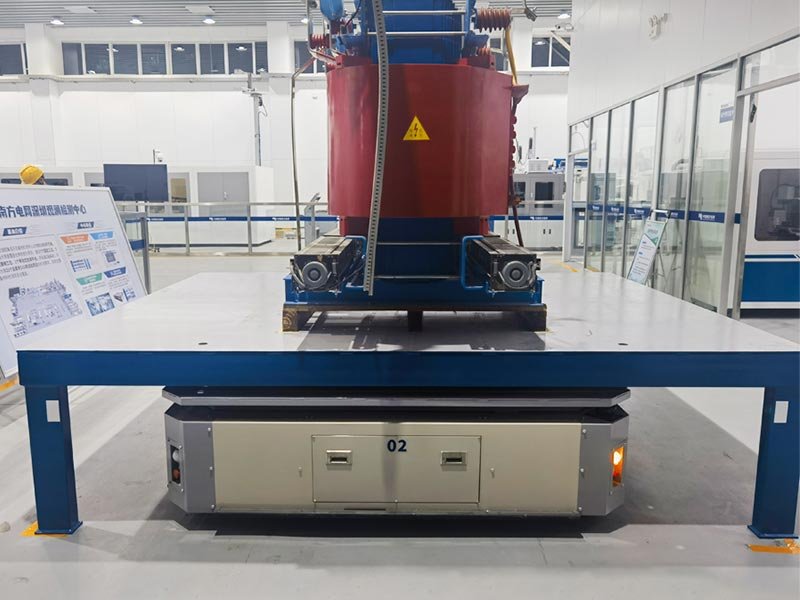
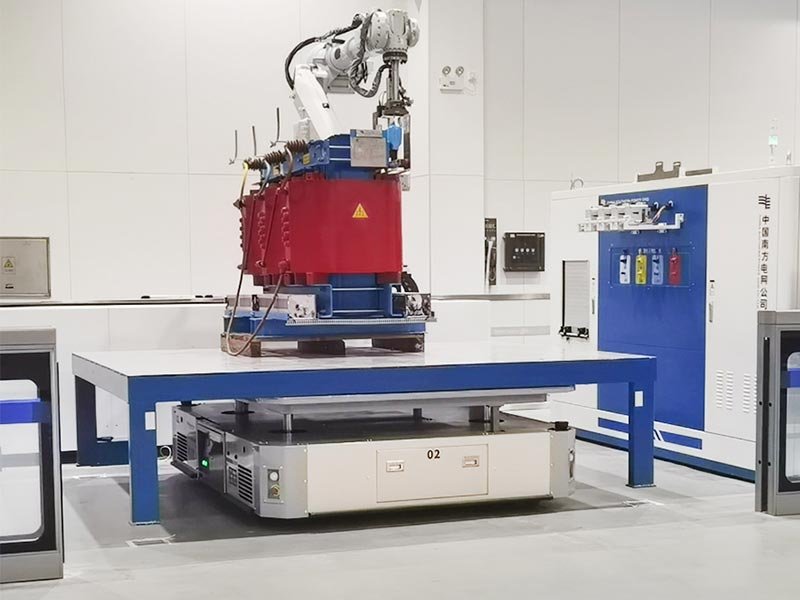
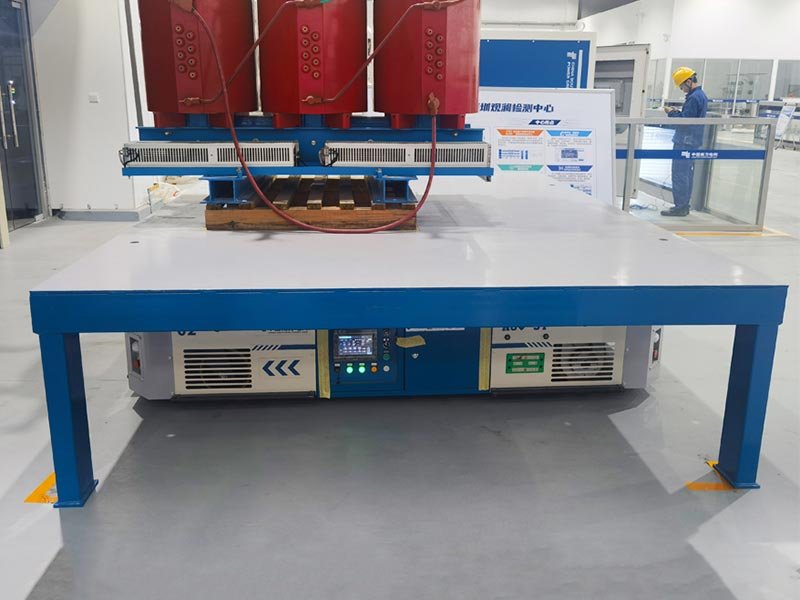
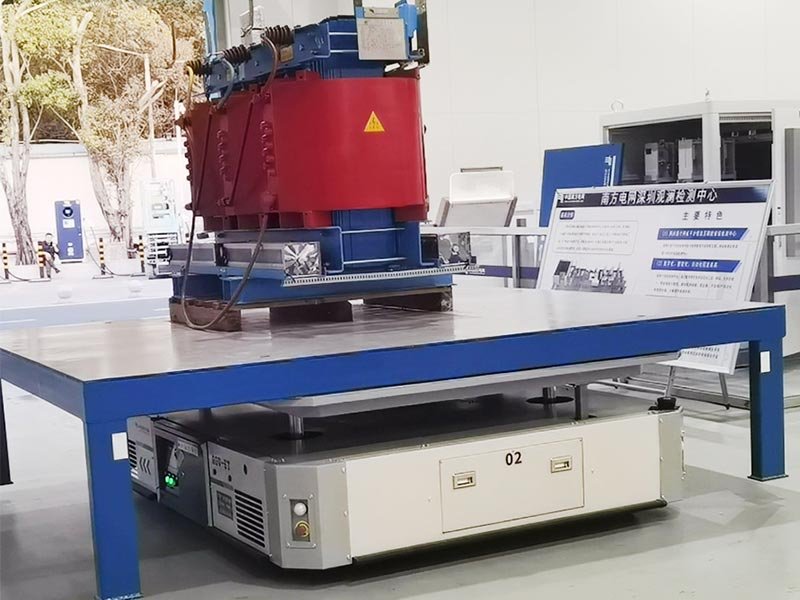
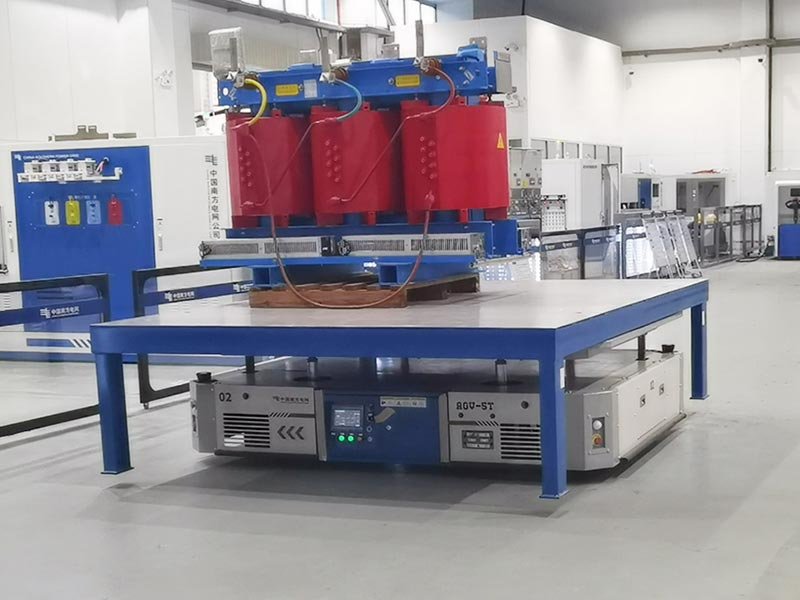
- Layout Adaptability: Suitable for scenarios with stable production lines, long‑term fixed layouts, and minimal changes, such as automotive assembly, heavy machinery transfer, and material delivery for fixed processes in the metallurgical industry.
- Omnidirectional Mobility Advantage: Optional steering wheel omnidirectional drive system is available, supporting 360° in‑place rotation, lateral movement, diagonal travel, and other motion modes, enabling flexible adaptation to narrow passages and complex workstations.
AMR
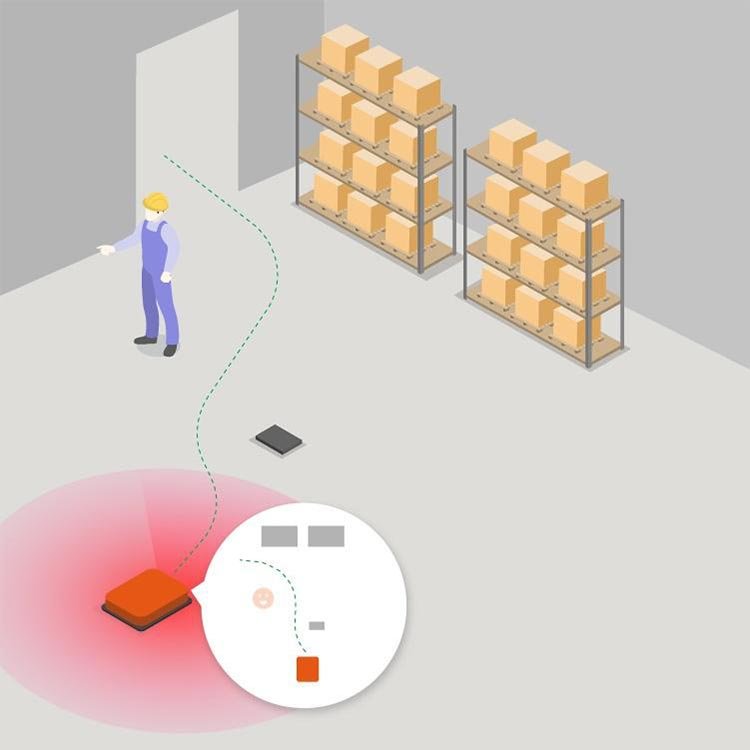
- Dynamic Path Planning: Requires no physical guidance infrastructure. The onboard system perceives the environment in real time and generates an optimal path autonomously. When tasks or environments change, modes can be switched with one click; the system automatically replans routes without physical modifications or manual intervention.
- Obstacle Avoidance Performance: Equipped with 360° environmental perception sensors, it actively identifies obstacles such as personnel, forklifts and racks, and intelligently avoids them. Compliant with ISO safety standards, it supports safe human-robot hybrid operation.
- Scalability: The number of robots can be flexibly increased or decreased according to production capacity. Workflows and task priorities can be adjusted online without construction, enabling rapid adaptation during expansion and reconfiguration.
- Indoor-Outdoor Integration: Combines indoor laser SLAM and outdoor satellite navigation. Continuous transportation between indoor workshops and outdoor factory yards is achieved without switching equipment, breaking through the scenario limitations of traditional AGVs.
Deployment and Implementation
AGV
- Infrastructure Dependency: Requires guidance facilities such as magnetic tape laying and laser reflector installation, with upfront costs for equipment procurement, site modification and construction.
- Installation Cycle: Standard models can be deployed within 1–2 weeks; heavy-duty customized models require a longer cycle. Ruimake provides remote support for installation and commissioning.
- Commissioning Difficulty: Path programming and guidance calibration must be performed by professional technicians, resulting in moderate convenience for enterprises to independently adjust routes and parameters.
- Maintenance Cost: Regular inspection and replacement of magnetic tape and reflectors are required. Layout changes bring additional retrofit and commissioning costs, and long-term maintenance costs rise with adjustment frequency.
AMR
- No Infrastructure Required: Requires no modifications to floors or walls, nor physical facilities such as magnetic tape. It directly uses the existing site environment, completes environmental mapping by scanning the surrounding scene with onboard sensors, and quickly launches the deployment process.
- Installation Cycle: Mapping, commissioning and launch can be completed in 3–7 days for standard scenarios; for complex scenarios, the period may be extended appropriately based on site conditions to ensure navigation accuracy.
- Ease of Commissioning: The software interface is simple and intuitive, allowing enterprises to independently draw routes, set tasks, and adjust scheduling strategies without excessive reliance on suppliers.
- Maintenance Focus: Mainly involves software upgrades, sensor calibration and battery maintenance. There is no workload for maintaining physical guidance infrastructure, resulting in lower long-term operation and maintenance pressure.
Safety and Compliance
AGV
- Safety Level: Equipped with dual protection consisting of laser obstacle avoidance sensors and physical anti-collision bumpers. It enables graded deceleration, warning and shutdown based on obstacle distance, rather than basic collision detection only.
- Operating Environment: Suitable for semi-open workshop environments. It is recommended to designate safe working zones, and limited human-machine interaction is supported.
- Compliance Standards: Meets industrial equipment safety regulations, with complete sound-light alarms and emergency stop functions, ensuring reliable and comprehensive safety configurations.
AMR
- Safety Level: Features advanced active safety capabilities with 360° omnidirectional environment detection. It dynamically adjusts speed according to the distance from personnel and objects, and supports safe Human-Robot Collaboration (HRC).
- Operating Environment: Can operate safely in unsegregated dynamic sites and share working spaces with workers, forklifts and other mobile equipment.
- Compliance Adaptation: Complies with ISO safety standards and also meets occupational safety regulations in the EU, the US and other overseas markets.
Intelligence Level and Control System
AGV
- Control Mode: Adopts a combination of central dispatching system and on-board PLC local control, with basic local decision-making ability to independently respond to simple working conditions during operation.
- Task Execution: Specially designed for repetitive material transport based on pre-programmed tasks. It can complete multiple tasks sequentially in a preset order and flexibly adjust task priorities when new instructions are issued by the central dispatching system to match production rhythm.
- Fleet Management: Supports multi-vehicle collaborative operation; scheduling logic optimization is required to avoid congestion in complex layouts.
- System Integration: Enables seamless connection with WMS/WCS to realize full-process automation of material handling.
AMR
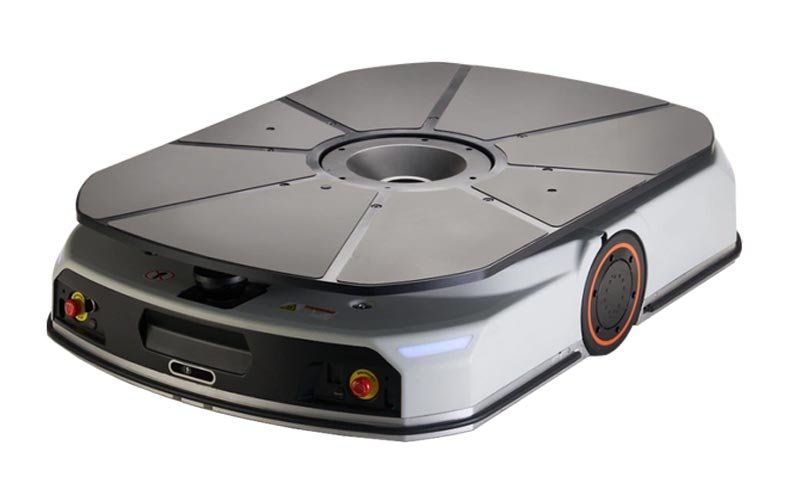
- Intelligent Architecture: Each robot is equipped with an on-board AI controller, capable of real-time autonomous path planning, active obstacle avoidance and task sequencing without continuous reliance on central commands.
- Task Flexibility: Supports dynamic task allocation and adaptive adjustment of workflows, well adapted to small-batch, multi-variety production and rapid response to changes in production plans.
- System Integration: Can be deeply integrated with WMS (Warehouse Management System), WCS (Warehouse Control System) and other platforms, while supporting multi-robot collaborative dispatching and optimized resource allocation, fully meeting the needs of industrial intelligent upgrading.
- Heavy-Duty Advantage: Maintains high-intelligence operation and stable performance even under heavy-load conditions, breaking through the load capacity limitations of traditional AMRs and satisfying intelligent handling demands in heavy-duty scenarios.
Ideal Application Scenarios
AGV
- Stable heavy-duty production lines: automotive assembly, heavy machinery, metallurgy and steel, with fixed processes and high repeatability.
- Long-distance fixed routes: heavy-load material transportation between warehouses and production areas.
- High-cycle continuous operation: scenarios requiring 24/7 uninterrupted and highly stable operation.
AMR
- Flexible heavy-duty manufacturing: aerospace, construction machinery, mold manufacturing, with frequent layout changes.
- Indoor-outdoor integrated operation: cross-regional heavy-load transportation inside workshops and outdoor factory areas.
- Human-robot collaborative workstations: assembly and heavy material delivery requiring safe cooperation with workers.
- Multi-scenario complex scheduling: multi-robot collaboration and parallel task execution to improve overall logistics efficiency.
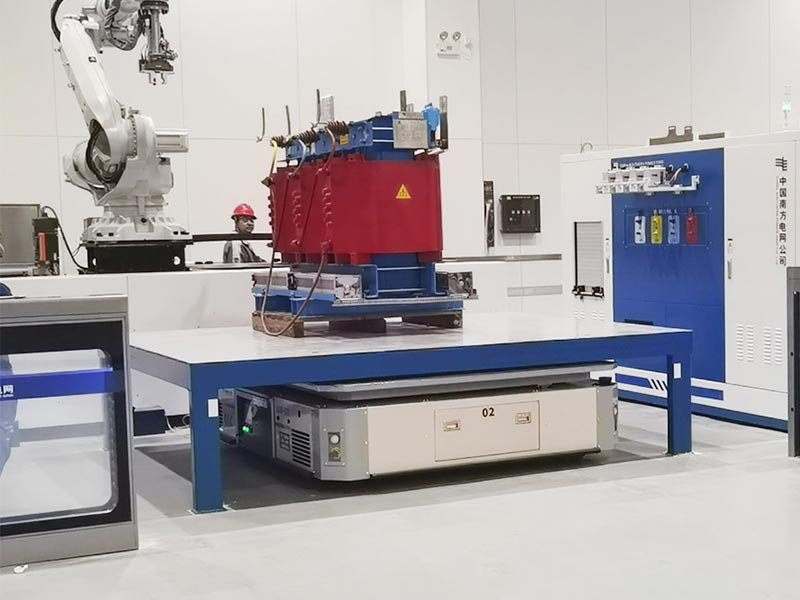
Comparison Table of Core Differences Between AGV and AMR
| Contrast Dimensions | Automated Guided Vehicle (AGV) | Autonomous Mobile Robots (AMRs) |
| Navigation | Magnetic strips, laser reflectors, laser + QR code hybrid | Laser SLAM, multi-sensor fusion, 5G+RTK (outdoor) |
| Flexibility | The rerouting requires adjustments to the physical infrastructure. | High; Real-time dynamic programming in software |
| Obstacle avoidance ability | Laser obstacle avoidance + anti-collision edge, local detour | Active obstacle avoidance, can replan routes around obstacles, enabling human-machine collaboration. |
| Deployment requirements | Guidance facilities required, duration 1-2 weeks | No basic setup required, cycle 3-7 days |
| Security level | Dual protection, basic safety | Advanced active safety, ISO compliance |
| Intelligence level | Centralized + local control, basic autonomy | In-vehicle AI distributed decision-making, multi-system integration |
| Scalability | Expansion costs are high and the process is cumbersome. | Software-based expansion, flexible and convenient |
| total cost of ownership | The vehicles are inexpensive, but long-term modifications are costly. | High vehicle price, low long-term operating costs |
| Core advantages | Stable under heavy loads, precise positioning, and controllable costs | Highly flexible, requires no modifications, integrates indoor and outdoor environments, and is capable of heavy-duty intelligent operation. |
| Applicable scenarios | Stable, fixed path, heavy-load continuous operation | Dynamic, flexible, human-machine collaboration, heavy-duty retrofitting of old factories |
Conclusion
Although both AGVs and AMRs can perform material handling tasks, they differ fundamentally in nature. The choice between AGVs and AMRs is never about which is more advanced, but which is better suited to the application.
AGVs are the more appropriate solution for enterprises with fixed production layouts, repetitive tasks, and a focus on stability and efficiency. For complex operating scenarios, flexible and changeable requirements, and the need to adapt to diverse production models, AMRs can better meet the demands of intelligent logistics upgrading.
The core of industrial logistics upgrading lies in selecting equipment that fits one’s own scenarios, rather than blindly pursuing higher-level intelligent configurations. Reasonable selection based on actual working conditions, operational needs, and long-term planning enables automated handling equipment to deliver real value, helping enterprises reduce costs, improve efficiency, and empower intelligent manufacturing upgrades.
FAQ
References & Sources
1. ISO 9001Quality management systems-ISO
2. laser navigation technology-Highways Department, HYD
3. Magnetic Navigation Technology-Official U.S. government
4. AMR-A Singapore Government Agency