
Purchasing Guide for Heavy Duty Transfer Cart
What is a heavy duty transfer cart?
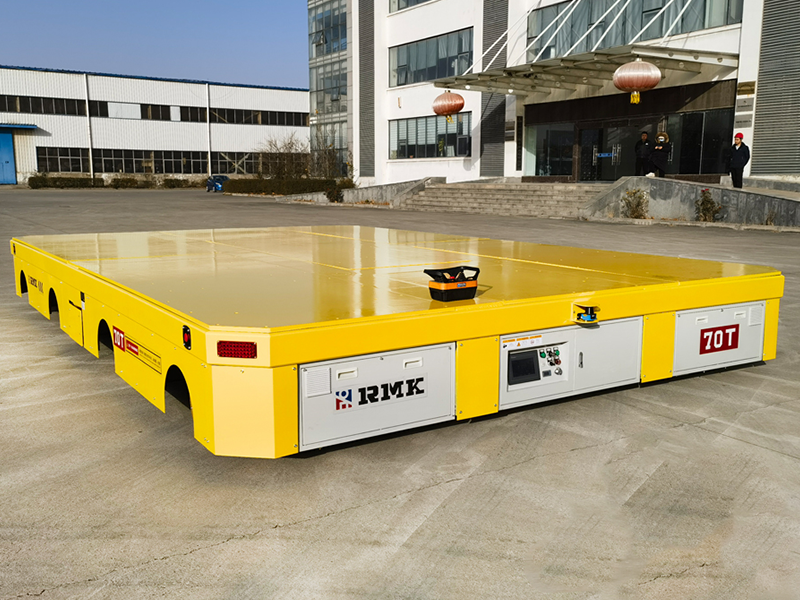
A heavy duty transfer cart is a core in-plant logistics device designed for short-distance heavy-load material transportation in industrial settings. It mostly adopts a trackless design and is widely used in logistics and warehousing, metallurgy, mold processing, heavy machinery manufacturing, and other modern industrial production fields. This equipment is mainly used to transport heavy workpieces and materials weighing dozens to hundreds of tons, effectively solving the pain points of low efficiency and prominent safety hazards in traditional manual handling and forklift operations.
It features simple operation, excellent controllability and operational stability. Compared with traditional handling machinery, it is more environmentally friendly and energy-saving with a longer service life. It also supports automated control, which greatly improves material handling efficiency and production capacity while significantly reducing labor costs. As an efficient, safe and economical heavy-duty logistics solution, heavy duty transfer carts have become an indispensable standard equipment in the production processes of many heavy industry and manufacturing enterprises.
How to Select the Right heavy duty transfer cart?
Purchasing decisions for heavy duty transfer cart should not be based solely on load capacity and price. A full assessment of your actual operating environment is essential.
Load Capacity
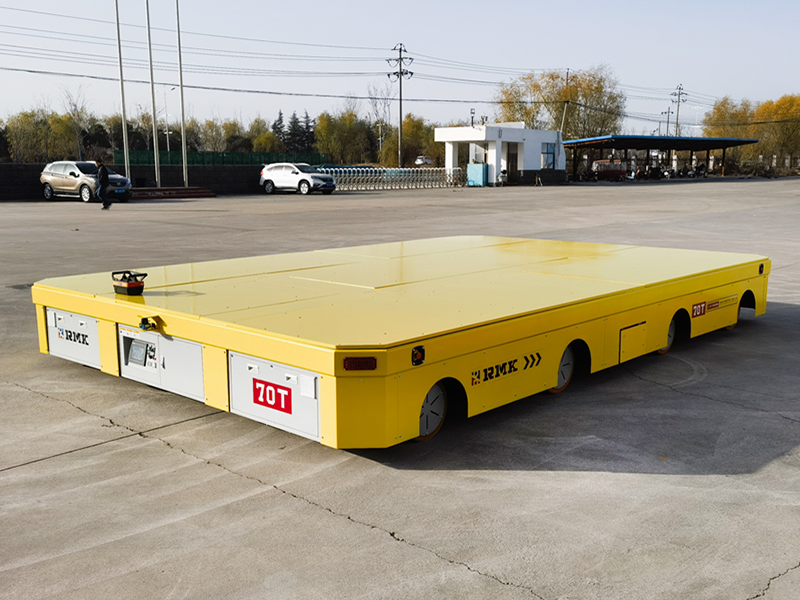
Load capacity is the primary specification for heavy-duty flatbed carts. In actual procurement, however, we strongly recommend allowing a safety margin of 20%–30%.For example, if your maximum daily workpiece weight is 10 tons, we suggest selecting a model rated for 12 tons or 16 tons. This not only handles unexpected overloads but also extends the service life of the equipment.
Frame structure selection is critical for different load classes:
- Light to Medium Duty (1–20 tons):Normally welded with channel steel or light I-beams. The structure is relatively simple and lightweight, meeting most general workshop transportation requirements.
- Medium to Heavy Duty (20–50 tons):Typically constructed with heavy I-beams or box-girders. Box-girders offer exceptional bending and torsion resistance, ensuring the platform remains distortion-free under heavy loads.
- Extra Heavy Duty (over 50 tons):Must use a reinforced frame made of thickened box-girders or multi-layer welded steel plates. Both steel thickness and material grade are significantly increased to withstand extreme static and dynamic loads.
Power Supply Method
The power supply method is one of the most distinctive features of electric flatbed carts, as it directly determines the vehicle’s operating range, usage frequency, and maintenance costs.
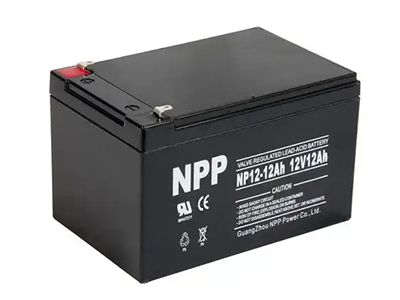
- Battery Power Supply:High flexibility. No complicated power supply rails need to be laid; only a charger installed on-site is required. Ideal for long-distance, cross-workshop transportation with no fixed routes.
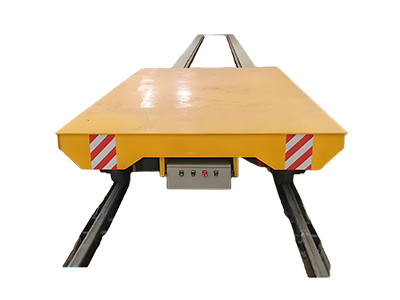
- Low-Voltage Track Power Supply:Suitable for fixed routes and high-frequency operations. The vehicle has no range limitations, making it perfect for 24-hour non-stop operation in metallurgical or foundry workshops.
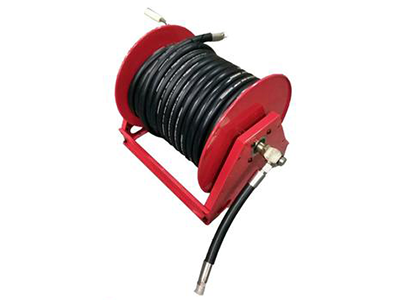
- Cable Reel Power Supply:Designed for short-distance, straight-line travel with a relatively low cost. However, the operating distance is limited by cable length, cables are prone to wear, and maintenance costs increase with usage frequency.
Operating Environment and Surface Requirements
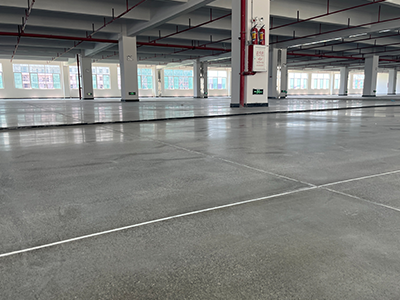
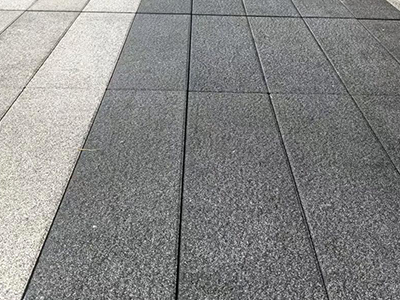
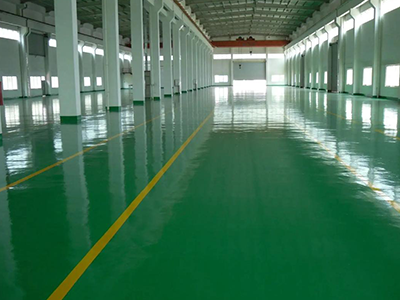
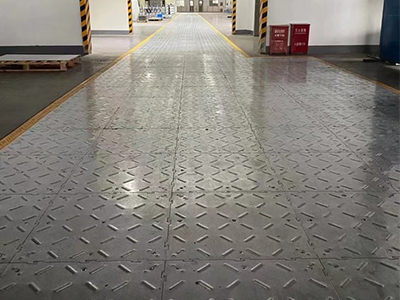
Before purchasing, it is essential to clarify whether the cart will operate indoors or outdoors, as well as the flatness of the ground.
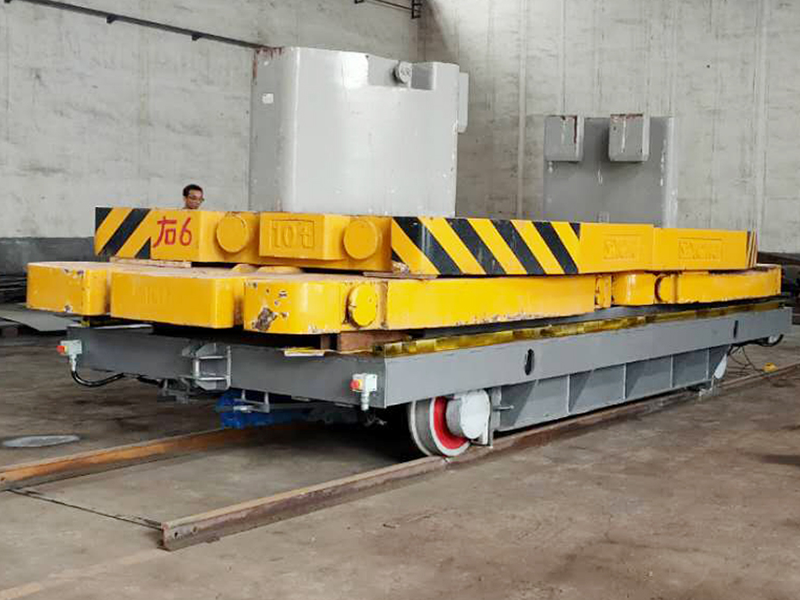
- Rail-mounted flatbed carts:Require steel rail installation and demand high ground flatness. Suitable for long-term fixed-route heavy-load transportation with excellent stability.
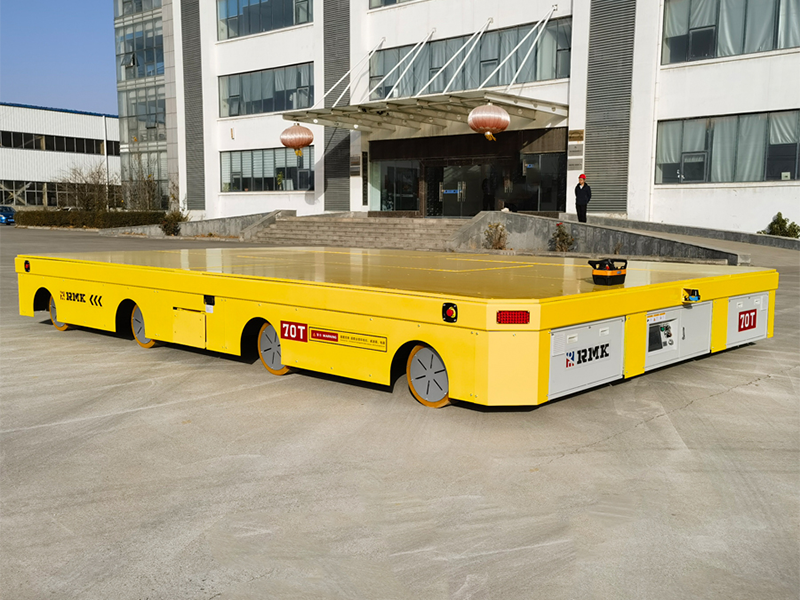
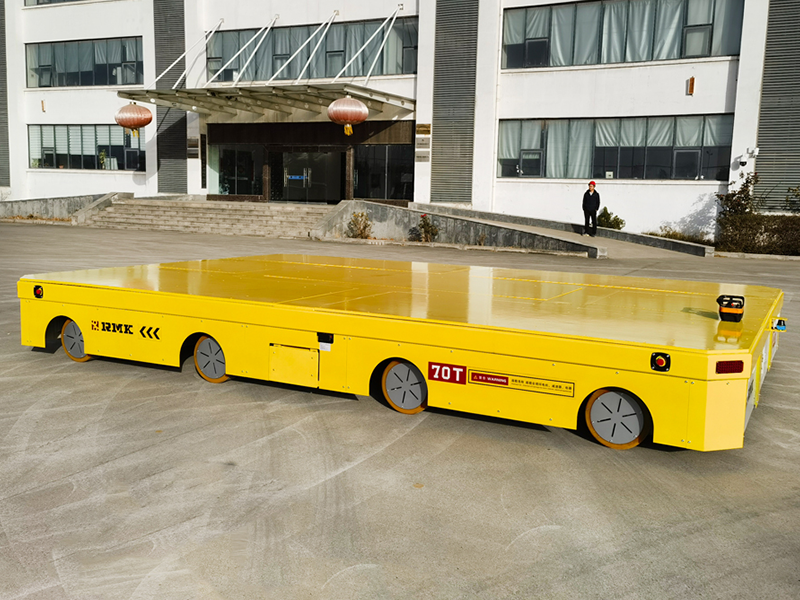
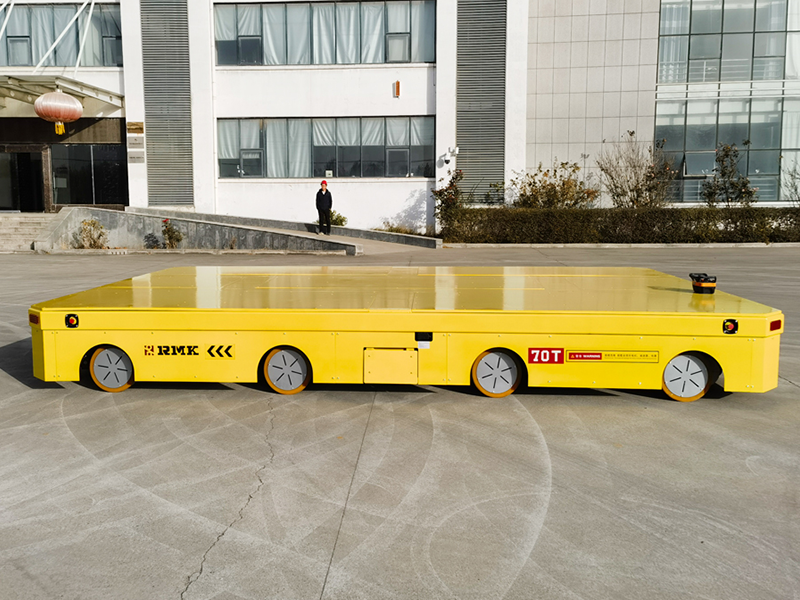
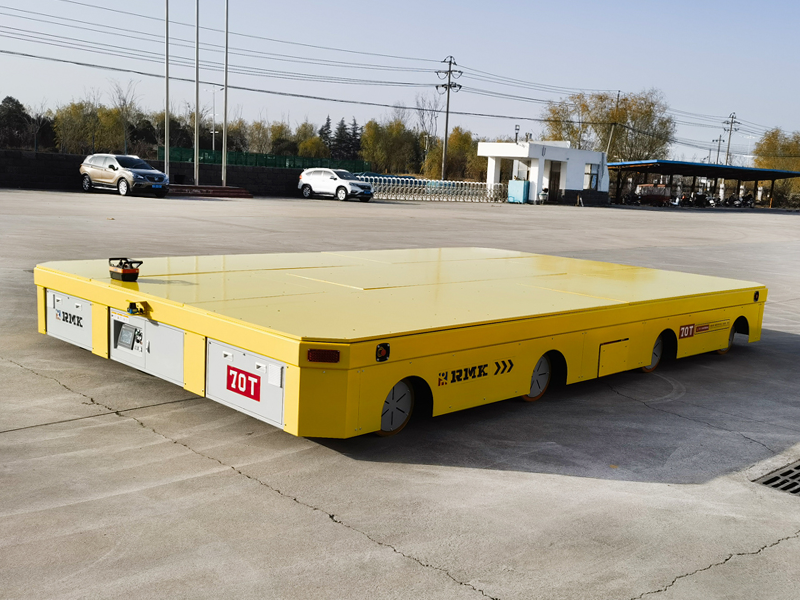
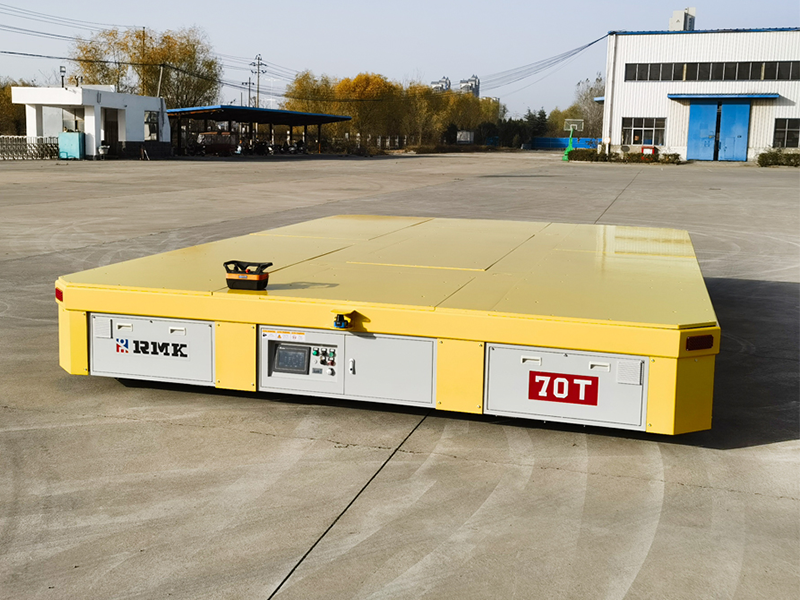
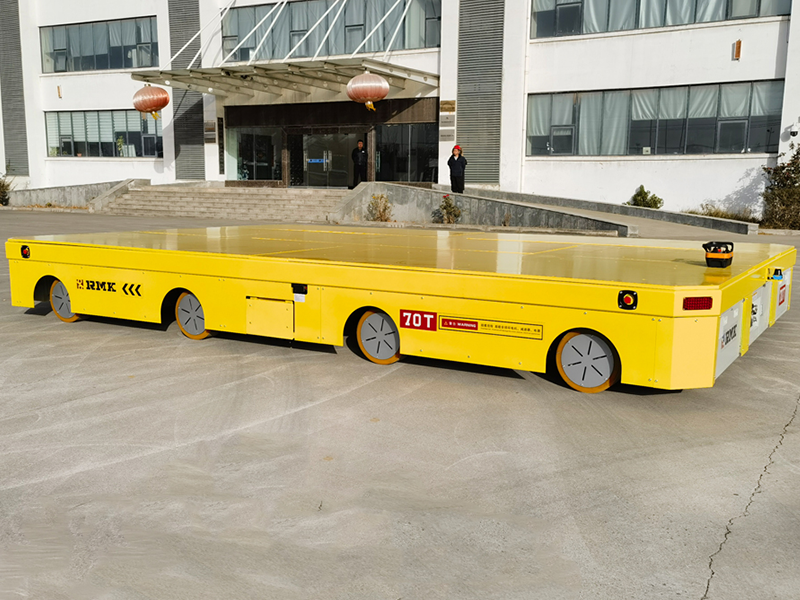
- Trackless flatbed carts:Equipped with solid rubber wheels and tolerant to concrete surfaces. No ground damage or rail laying is needed, making them ideal for complex working conditions with variable routes, narrow spaces, or on-the-spot turning.

Platform Size & Load Configuration
The dimensions and shape of the load directly determine the platform length, width, and any special configurations.
- For extra-long, extra-wide, or irregularly shaped items, a custom widened or extended platform may be required.
- For cylindrical workpieces, V-blocks or roller stands should be installed on the platform to prevent rolling.
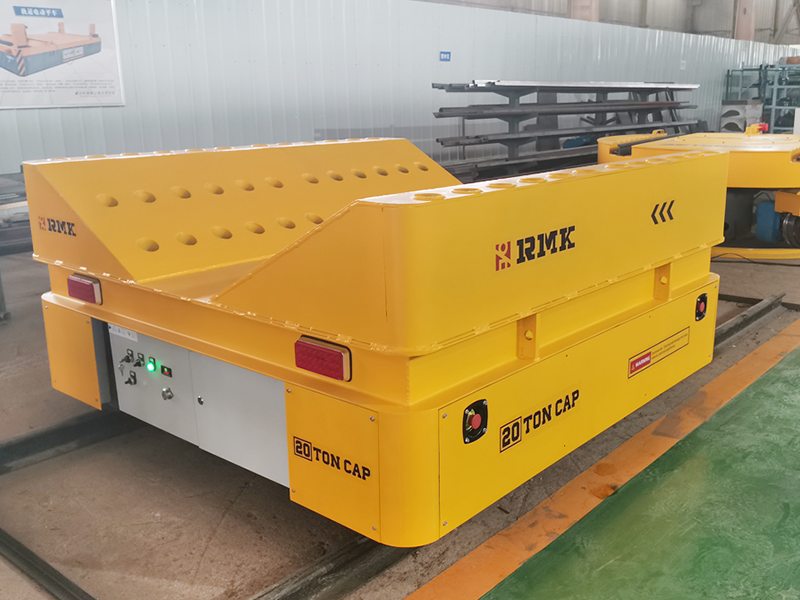
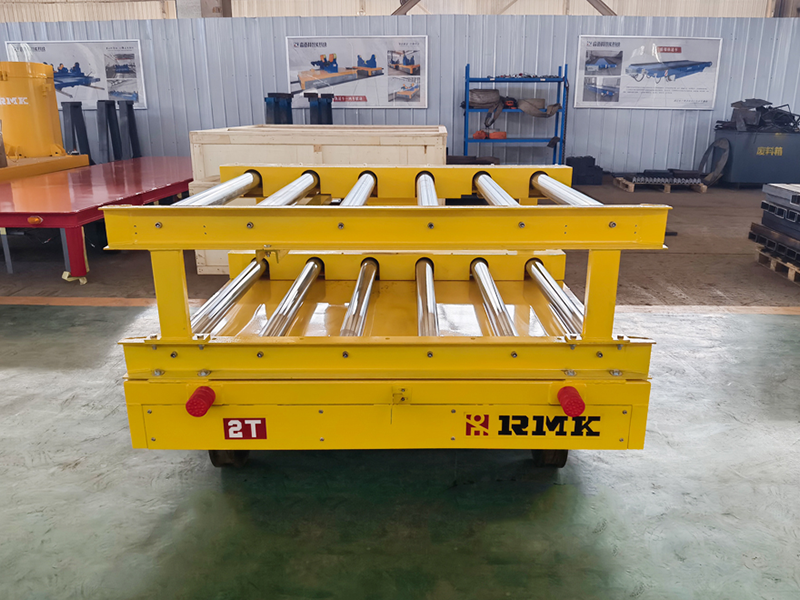
Core Selection Criteria for heavy duty transfer cart – Technical Parameters & Configurations
Rail or Trackless: Which Is Better for Your Facility?
Rail-Mounted Electric Flatbed Carts
Trackless Electric Flatbed Carts
Structural Design: Load Bearing, Platform and Steering, Adapted to Materials and Working Conditions
Structural design directly affects the durability and practicality of the flatbed cart, with three key focus areas:
Safety Configurations: A Non-Negotiable Red Line for Heavy-Duty Equipment.
Heavy duty transfer carts fall under the category of special equipment, so safety configurations must never be compromised. A qualified Ruimike heavy-duty flatbed cart is equipped with the following multiple safety protections:
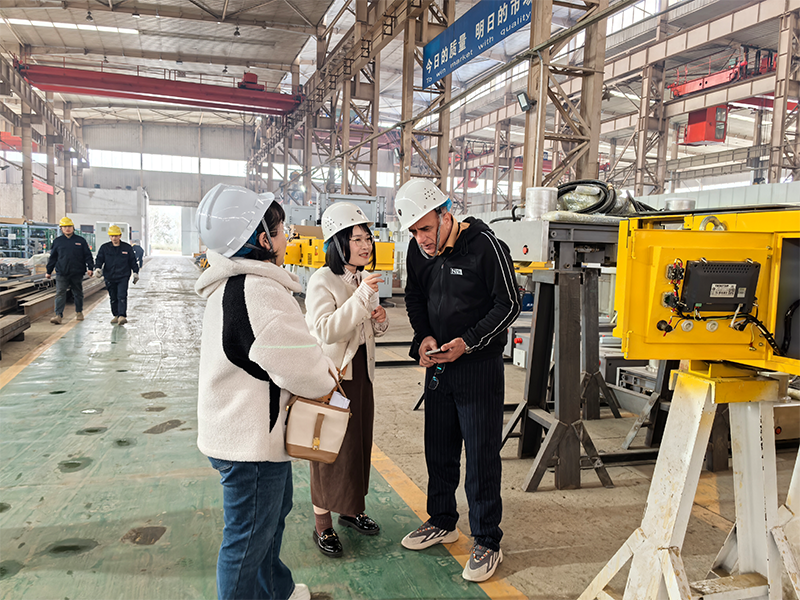
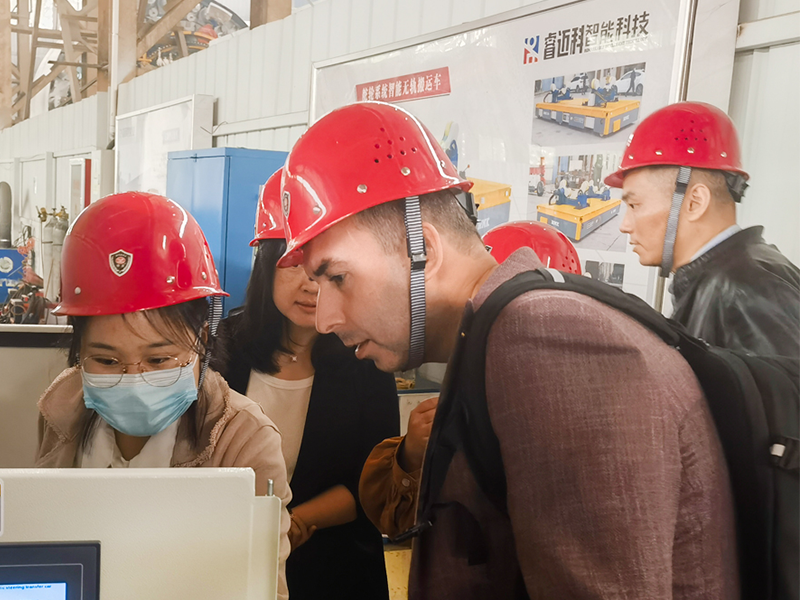
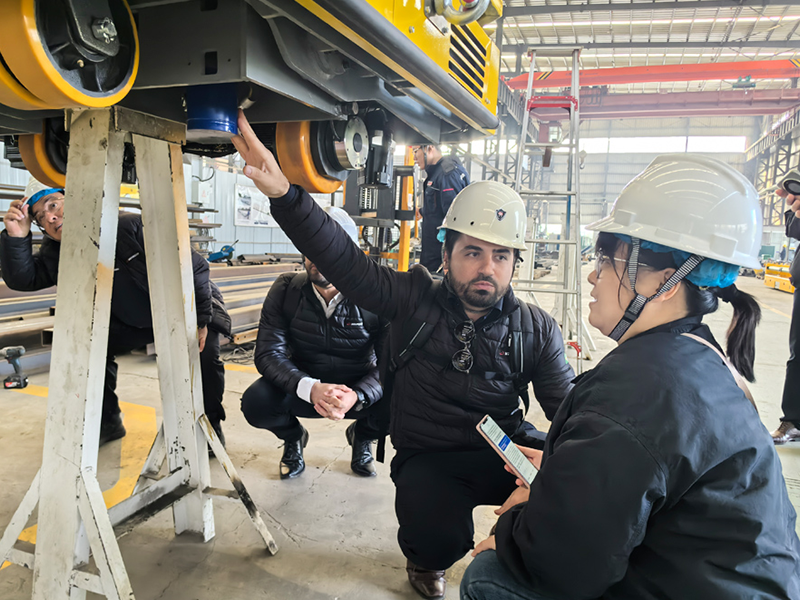
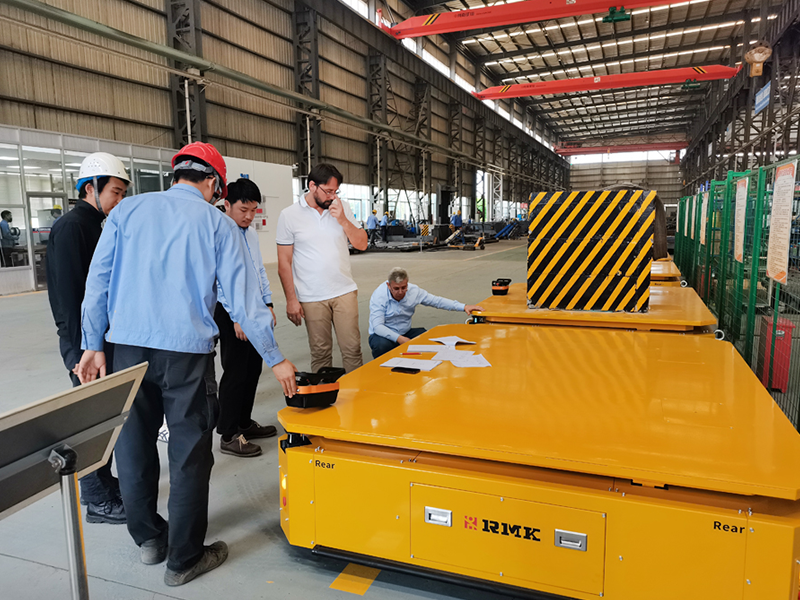
Factory Evaluation & After-Sales Service: How to Avoid Pitfalls?
After confirming the technical parameters, selecting a reliable supplier is the final and most critical step.
Conclusion
The procurement of heavy duty transfer cart ultimately comes down to how well the equipment fits your production reality—practical, on-site performance is what matters most.
The cart must match your current operating conditions, load requirements, and site layout, while also accounting for long-term operational efficiency, safety assurance, and maintenance costs.
By following a logical selection process, focusing on your core needs, and carefully verifying technical specifications and supplier service capabilities, you can ensure the heavy duty transfer cart becomes a truly reliable partner in your production workflow.
Choosing the right heavy duty transfer cart will not only solve material handling challenges, reduce labor consumption and safety risks, but also ensure stable long-term operation and lower ongoing maintenance expenses.
May every careful selection translate into tangible production value and help your enterprise move steadily forward in a competitive industry.