
What is a Transfer Cart? Types, How They Work & Key Benefits
What is a Transfer Cart?
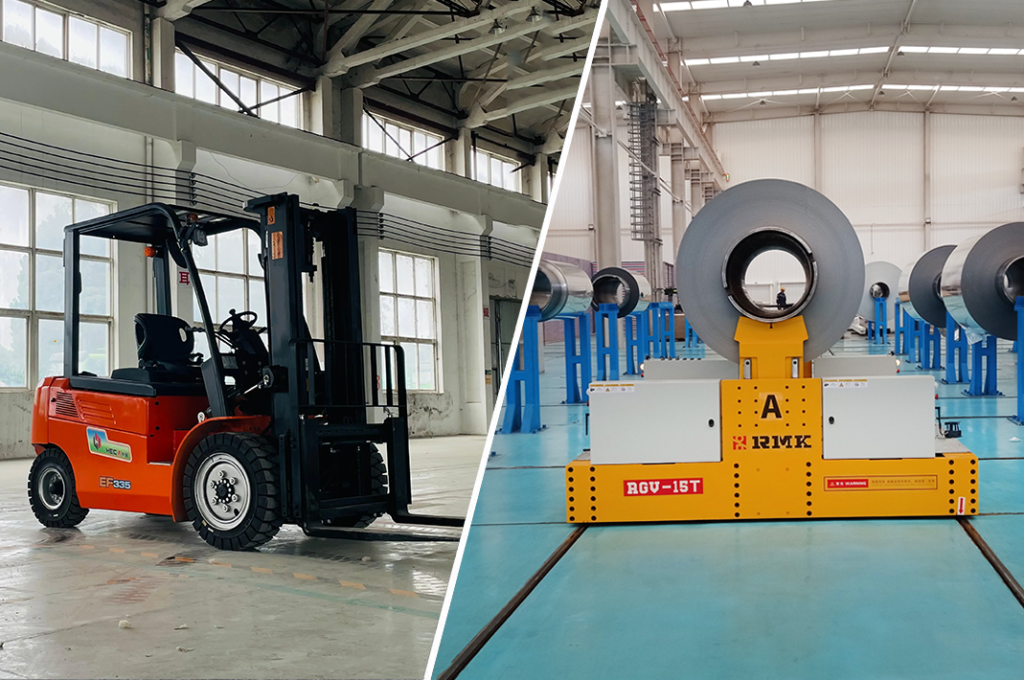
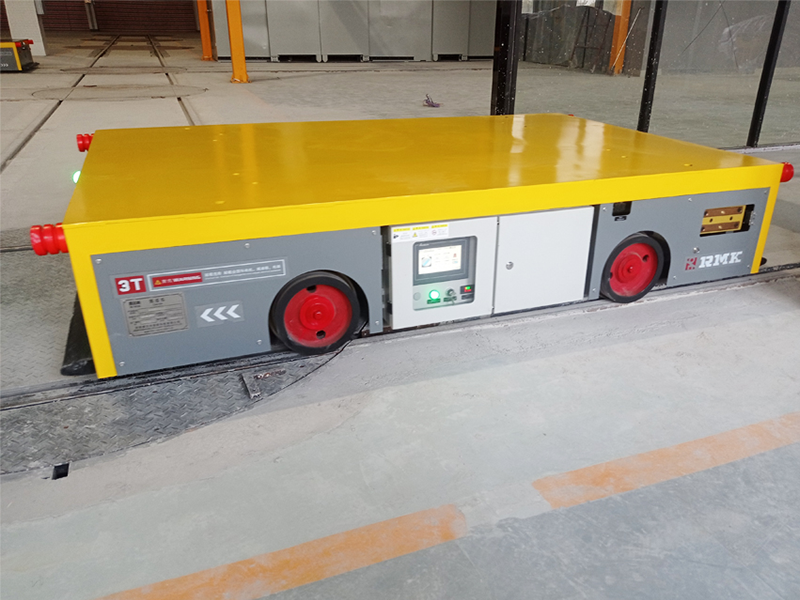
Transfer carts, also referred to as transfer trolleys, electrical trolleys, and load transfer trolleys, are heavy-duty material handling equipment widely used in industries such as machinery manufacturing, automotive, steel, mold making, and aerospace.Compared with traditional forklifts, which have limited load capacity, Transfer dolly offer superior advantages including high load capacity, stable operation, and low operating costs.They also demonstrate far better scene adaptability than forklifts and manual push carts.
Comparison Between Transfer Carts and Forklifts
|
Compare items |
Transfer Cart |
Forklift |
|
Load capacity |
Large, with a load capacity of 1-500 tons. |
Smaller, mostly under 10 tons |
|
Operation mode |
Mostly travel along fixed tracks/trackless paths, with relatively fixed routes. |
Flexible steering, no fixed route |
|
Operation efficiency |
High efficiency of heavy-duty continuous transfer |
Short-distance loading and unloading, and more flexible handling of scattered goods |
|
Security |
It offers a smooth ride, is not prone to tipping over even under heavy loads, and is suitable for transporting hazardous materials or handling precision parts. |
Turning or lifting can easily cause the center of gravity to shift; therefore, stability must be considered when stacking. |
|
Cost of use |
High initial investment, but simple maintenance and low energy consumption in the later stages. |
The equipment cost is relatively low, but tire and hydraulic system maintenance is more frequent. |
|
Main purpose |
Heavy-duty, long-distance, fixed-route cargo transfer within the factory area |
Short-distance, multi-scenario cargo loading, unloading, stacking, and handling |
|
Applicable scenarios |
Metallurgy, mold making, warehousing, heavy workpiece transfer |
Logistics warehousing, supermarkets, light textiles, and general cargo loading and unloading |
Transfer trolley Market Analysis
According to global market research, demand for Transfer trolley is growing steadily worldwide.
The global market size was approximately USD 1.5 billion in 2024, with a projected CAGR of 8.5% from 2026 to 2033, and is expected to exceed USD 3 billion by 2033.
Driven by manufacturing upgrading, the widespread adoption of automated logistics, and the rapid development of new energy, construction machinery and other industries, demand for heavy-duty transfer equipment continues to rise, promising a broad growth outlook for the industry.

Working principle and structure of transfer cart
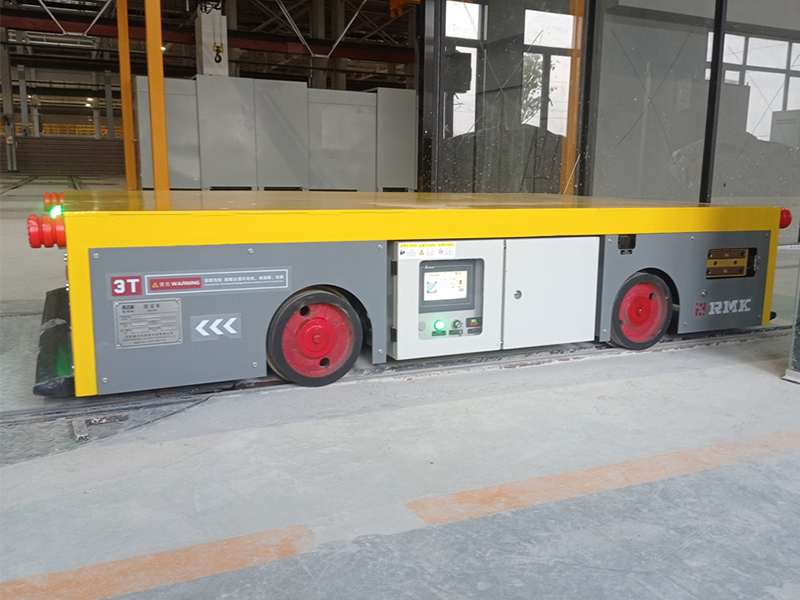
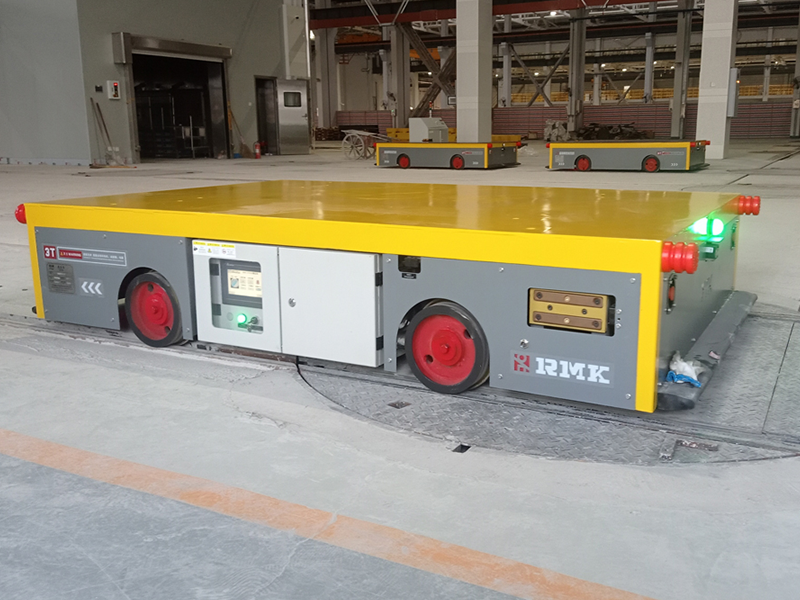
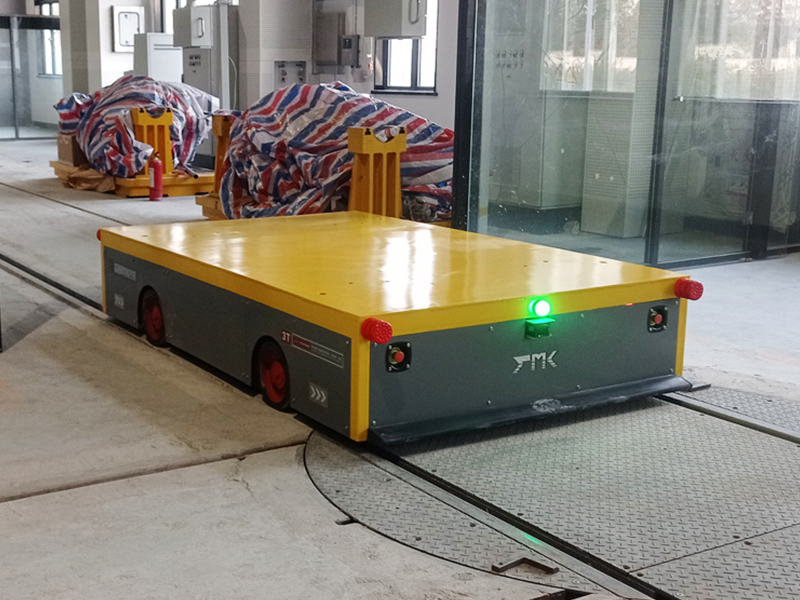
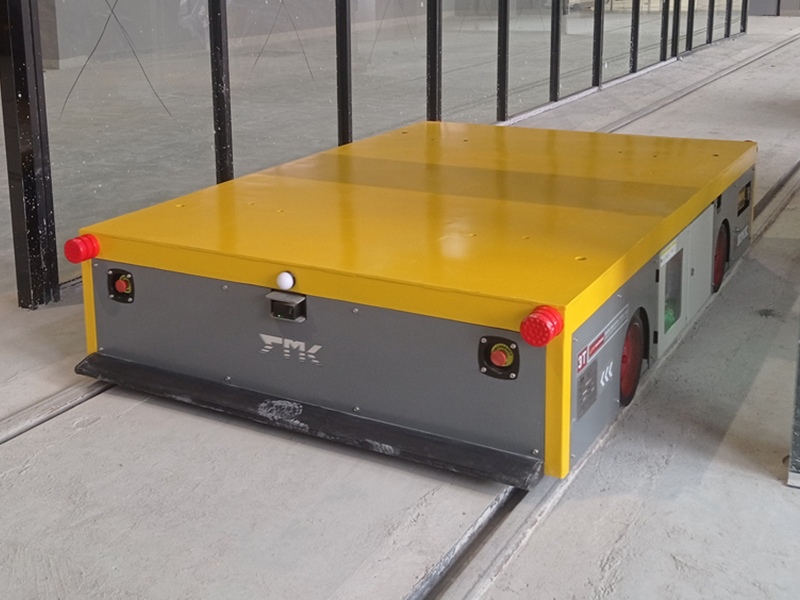
An electric transfer cart is an electrically powered horizontal transport device widely used for short-distance material handling in various indoor and outdoor settings.Its core working principle is to convert electrical energy into mechanical energy, and achieve directional movement through a control system.Electric transfer carts mainly consist of a frame, wheels, drive system, battery pack, control system, and electrical system.
Transfer Cart Types
Classified by power supply mode, they can be divided into:
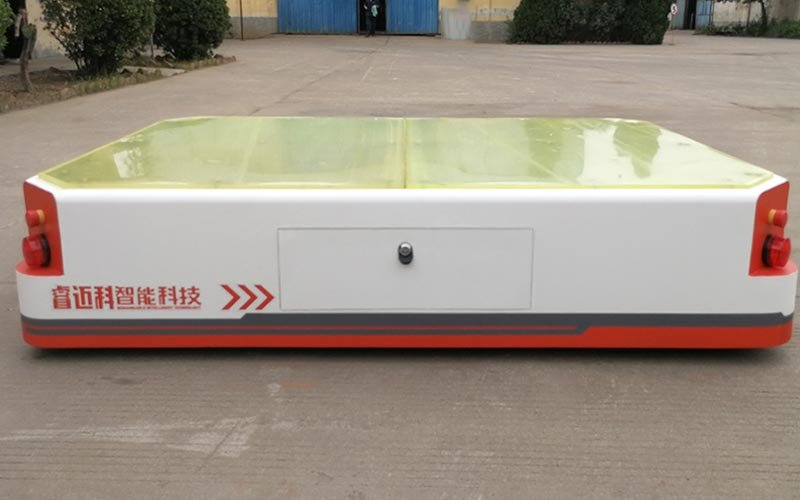
Battery Transfer Cart:
Powered by rechargeable batteries, offering flexible movement and unrestricted operation across different work areas.
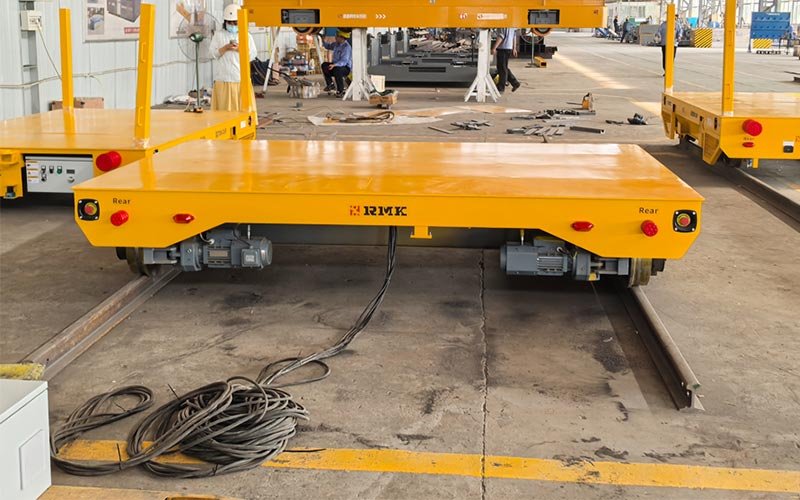
Low Voltage Rail Transfer Cart:
Powered by low-voltage power rails, with unlimited endurance, ideal for continuous heavy-duty operation on fixed routes.
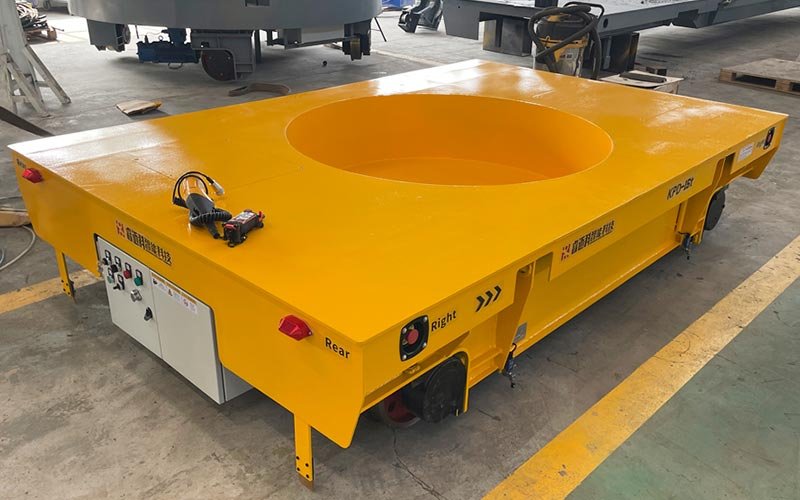
Cable Transfer Cart:
Powered by automatically retractable cables via a cable reel, featuring a simple structure and suitable for short-distance fixed-path applications.
Classification by Track Type
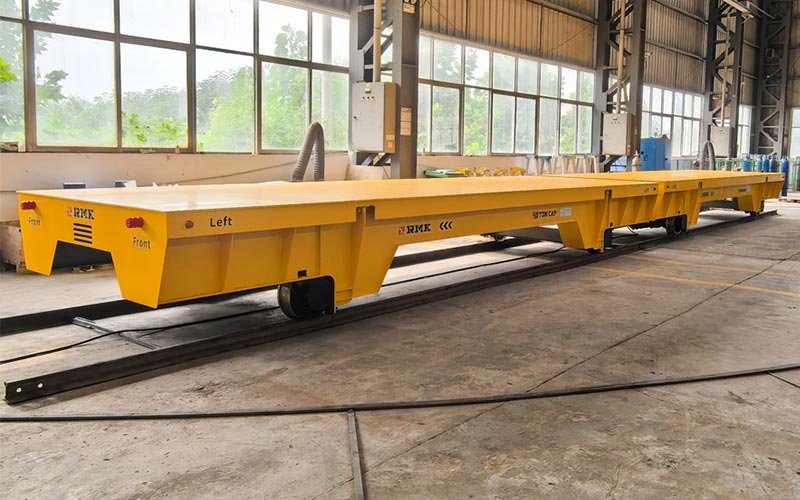
Rail transfer cart
Runs on fixed rails with precise positioning, ideal for heavy-duty material transportation.
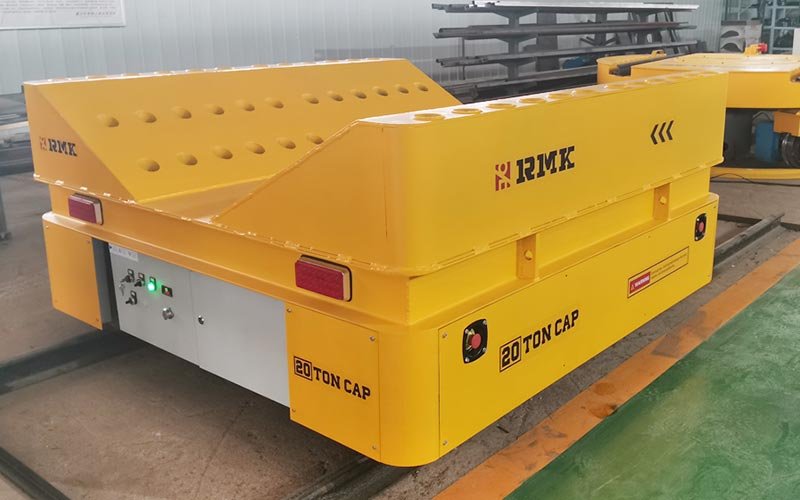
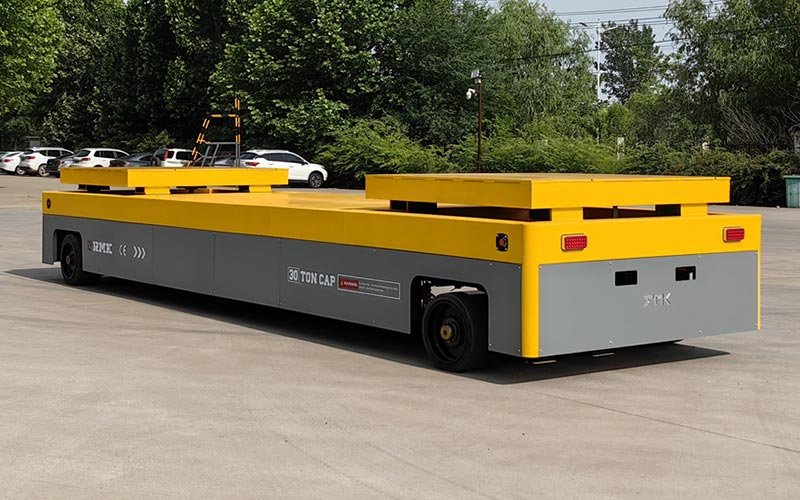
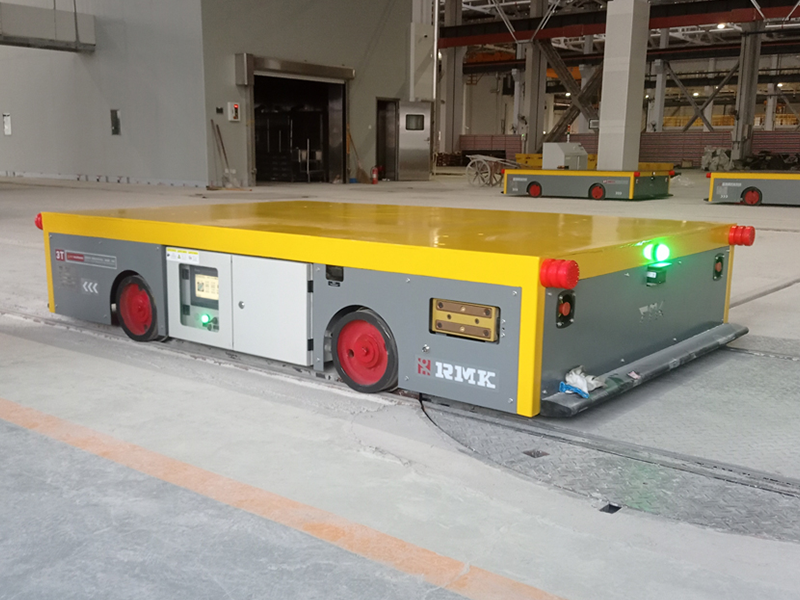
Trackless transfer cart
Requires no track laying, features free steering and flexible turning. Offers excellent site adaptability, making it suitable for complex workshop layouts.
Classification by Application / Functional Structure
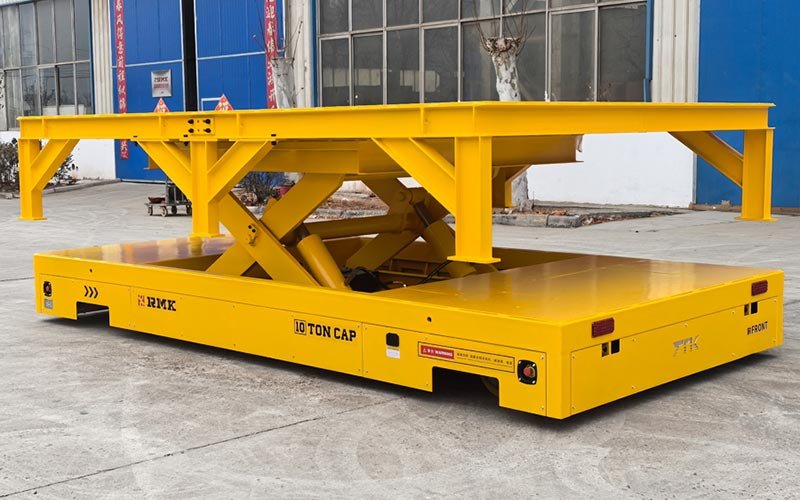
Lifting Transfer Cart
Features a height-adjustable platform for easy docking with workstations of different elevations, enabling accurate material transfer and positioning.
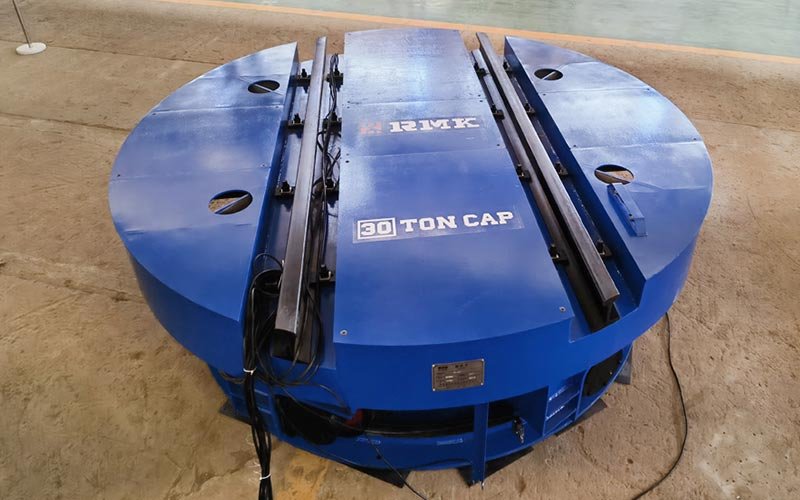
Turntable Rail Transfer Cart
Equipped with a turntable structure to allow multi-angle rail turning, meeting cross-transfer requirements between multiple rails and workshops.
Explosion‑Proof Electric Trackless Cart
Designed with explosion-proof electrical components for enhanced safety and reliability, suitable for flammable and explosive environments such as chemical plants and oil & gas facilities.
Advantages of Transfer Carts
High efficiency and precise positioning for heavy-duty transport.
Safe, reliable, and fully protected.
Eco-friendly, economical and easy to maintain.
Flexible adaptation & easy automation integration
How to Choose the Right Electric Transfer Cart?
Determine load capacity requirements.
Clarify the weight of the goods to be transported. The rated load capacity of the electric transfer cart should be higher than actual demand to avoid overloading
Travel Distance and Track Requirements
Based on the transport distance and track layout (straight, curved, sloped, etc.) of the workplace, select a suitable rail-mounted or trackless electric transfer cart
Travel Speed and Efficiency
Select an appropriate speed based on production cycle and transport frequency. For variable speed control, choose an electric transfer cart with frequency conversion control.
Power Supply Methods
Low-voltage rail power supply: Suitable for long rails and applications requiring no cable dragging.
Battery power supply: Highly flexible, ideal for trackless or frequently moving scenarios.
Cable reel power supply: Designed for medium to short distance transport on fixed routes.
Operating Environment
For high-temperature, humid, dusty or corrosive environments, select models with a high protection rating. For explosion-proof applications, explosion-proof electric transfer carts must be used.
Special Function Requirements
Whether automated control is required (e.g., remote control, RGV linkage, etc.);
Whether additional functions are needed (e.g., lifting platform, side tipping, etc.).
Maintenance and Cost
Choose models with a simple structure and easy maintenance to reduce long-term operating costs.
Compare the cost-effectiveness of different brands and pay attention to after-sales service.
Where Are Transfer Carts Applied?
Transfer trolleys are widely used in industries requiring heavy-duty material handling. Below are some common applications:
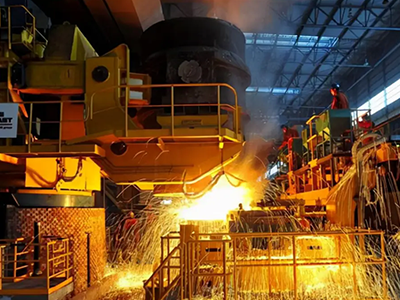
Steel industry
High-temperature heavy-duty transport of ladles, billets, steel plates, scrap steel and iron ladles.
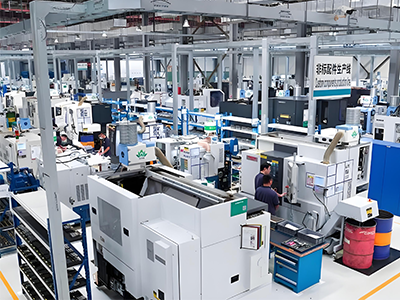
Mold industry
Precise positioning and safe transport of heavy molds.
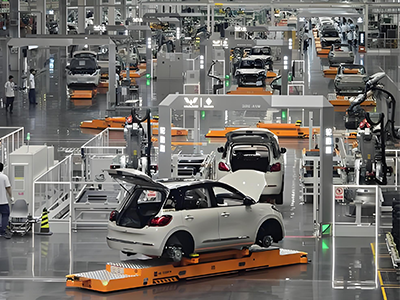
Automotive industry
Transport of body frames, engines, gearboxes, stamping dies and complete vehicles.
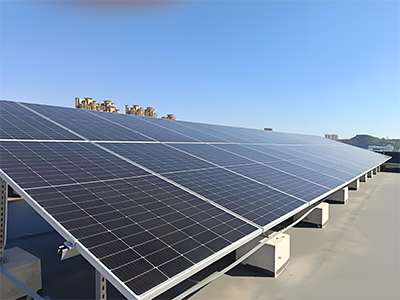
New energy
Transport of battery modules, photovoltaic panels, wind turbine blades and hubs.
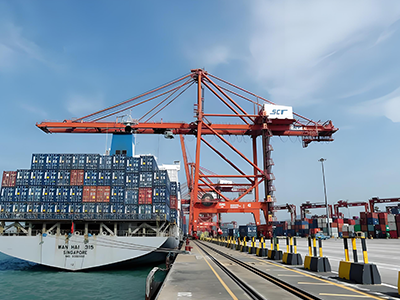
Ports and terminals
Short-distance haulage of containers, bulk cargo and heavy equipment.
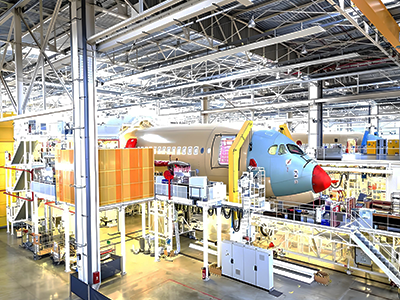
Aerospace
Transport of aircraft fuselages, wings, engines and large components.
Non-standard custom transfer carts, designed for your unique applications.
Ruimaike upholds the spirit of professionalism and innovation, focusing on customized non-standard electric transfer cart solutions. We understand that each enterprise has unique working requirements, so we design and build tailored material handling solutions based on your site conditions, load capacity needs and travel routes.
At Ruimaike, we not only strictly control product quality, but also regard after-sales service as the lifeblood of our development. We are committed to providing comprehensive technical support and rapid response services to ensure long-term stable operation of your equipment, delivering worry-free production and complete peace of mind.
Conclusion
As an efficient and safe material handling solution in industrial settings, electric transfer carts have become indispensable in modern industrial logistics thanks to their simple structure, easy operation, high adaptability and stable load capacity.
They not only significantly improve material handling efficiency and reduce manual labor intensity, but also provide reliable support for the intelligent and automated upgrading of enterprises, serving as a key guarantee for efficient transportation in modern engineering.
FAQ
References & Sources
1. Global Transfer Cart market research and industry forecast-Verified Market Reports
2. ISO 9001Quality management systems-ISO
3. CE certificate-European Union
4. Lidar-Wikipedia